


Unlock Affordable Independence: Options for Senior Living That Won’t Break the Bank
Why Affordable Independent Living Facilities Matter for Your Future
Affordable independent living facilities offer seniors age 62 and older a chance to live independently in their own apartment while keeping housing costs manageable. These communities are designed for active seniors who don’t need daily medical care but want to reduce expenses and stay connected to their peers.
Quick Overview: What You Need to Know
- Who qualifies: Seniors 62+ with income below 50% of their area’s median income
- What you pay: Typically 30% of your adjusted gross monthly income for rent
- What you get: Your own studio, one-bedroom, or two-bedroom apartment with kitchen and bathroom
- Common features: Community rooms, laundry facilities, social activities, transportation, on-site maintenance
- Key programs: HUD Section 202, Housing Choice Vouchers (Section 8), Low-Income Housing Tax Credits
- Important note: Waitlists are common—apply early
If you’re a senior living on a fixed income, you’re not alone. Many older adults struggle with the rising cost of living. They often face a tough choice: stay in a home they can no longer afford to maintain or find housing that fits their budget without sacrificing independence.
Affordable independent living facilities bridge this gap. They are not nursing homes or assisted living centers. They are communities built for seniors who can care for themselves but need housing that won’t consume their entire Social Security check or retirement savings. The beauty of these communities is simple: you get your own space, control your daily routine, and live among peers, all while paying rent based on what you can actually afford.
This guide will walk you through everything you need to know about finding and qualifying for affordable independent living. Understanding your options is the first step toward housing stability.
Understanding Affordable Independent Living
Affordable independent living carves out a unique and vital niche in senior housing. It’s about empowering seniors to live full, self-directed lives in a supportive and budget-friendly environment.
These communities are for seniors who are generally healthy and can care for themselves, offering a lifestyle free from the burdens of homeownership like maintenance and repairs. What makes them “affordable” is that housing costs are determined through government subsidies and income-based rent, making them accessible to those on fixed or lower incomes.
The key difference between independent living and other senior housing lies in the level of care. Independent living focuses on autonomy, not medical services. Residents manage their own daily routines and personal care. The model is social, emphasizing community engagement and a maintenance-free lifestyle.
This distinction is crucial. If you value your autonomy and don’t require daily assistance, independent living is an excellent fit. If you need help with tasks like bathing or medication management, assisted living is more appropriate. For 24/7 skilled nursing care, a nursing home is the right choice.
Here’s a quick comparison:
| Feature | Market-Rate Independent Living | Affordable Independent Living |
|---|---|---|
| Cost | Market-driven rent, often higher | Income-based rent (e.g., 30% of income) |
| Eligibility | Age 55+ or 62+, no income limits | Age 62+, strict income limits (e.g., <50% AMI) |
| Services | Amenities, social activities, maintenance | Similar amenities, often with supportive services |
| Funding | Private pay, retirement savings | Government subsidies (HUD, LIHTC), nonprofit support |
| Availability | More widespread, less competition | Often long waitlists, high demand |
What Defines “Affordable” Senior Housing?
“Affordable” means the cost of rent and utilities is reduced through government programs or nonprofit initiatives. This is critical for seniors on limited incomes, especially in high-cost states like California. For those relying on small fixed incomes, finding suitable housing can be nearly impossible without assistance.
This is where programs like HUD’s Section 202 Supportive Housing for the Elderly come in. These communities, often run by nonprofits, allow qualifying seniors to pay as little as 30% of their adjusted gross monthly income toward rent, with the government subsidizing the rest. You can learn more in A Guide to Section 202 Supportive Housing for Older Adults. Other programs like Section 8 (Housing Choice Vouchers) and the Low-Income Housing Tax Credit (LIHTC) also help create affordable housing. LifeSTEPS works with these programs to offer diverse independent living options.
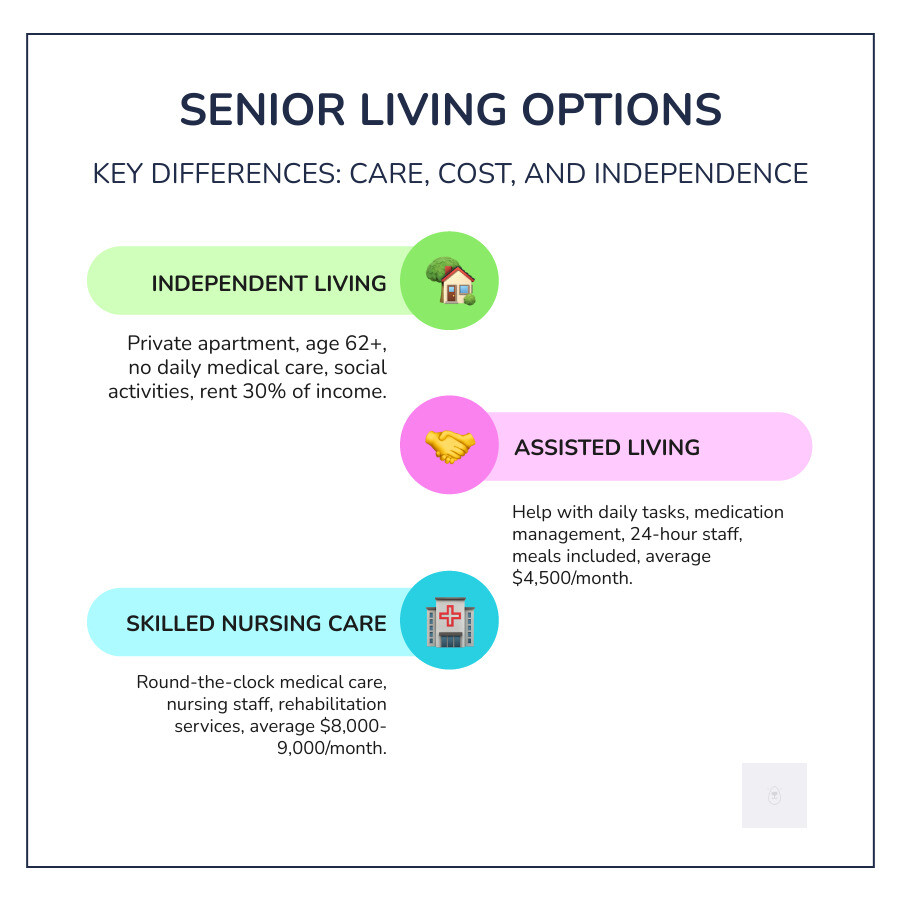
Independent Living vs. Other Senior Housing
-
Independent Living: For active, self-sufficient seniors. It emphasizes community and a maintenance-free lifestyle, without providing daily personal or medical care.
-
Assisted Living: For those who need some help with daily activities (bathing, dressing, meals) but not 24/7 medical care. It blends independence with supportive services, at an average cost of around $4,500 per month.
-
Nursing Homes (Skilled Nursing Facilities): These provide the highest level of care outside a hospital, including 24-hour medical supervision and rehabilitation services. The median cost for a shared room can be around $8,000 per month.
-
Continuing Care Retirement Communities (CCRCs): CCRCs offer a continuum of care on one campus, from independent to skilled nursing care. However, they typically require a large upfront entry fee plus monthly fees, making them a less affordable option for many.
How Affordability Works: Costs, Eligibility, and Financial Aid
Navigating the financial side of senior housing can seem daunting, but there are clear pathways to making independent living affordable, especially in high-cost areas like Los Angeles, San Diego, and San Francisco. The system relies on government programs, income-based rent, and specific eligibility criteria.
The Role of Government Programs
Several key government initiatives make housing affordable for seniors:
-
U.S. Department of Housing and Urban Development (HUD): The primary federal agency for housing assistance, HUD offers various programs for low-income individuals, including seniors.
-
Section 202 Supportive Housing for the Elderly Program: This HUD program is specifically for low-income seniors aged 62 and older. It provides funding to nonprofits to develop and operate housing with supportive services. If you qualify, you could pay as little as 30% of your income for rent. Find more details on the Section 202 Supportive Housing for the Elderly Program page.
-
Housing Choice Vouchers (Section 8): This federal program helps very low-income families, the elderly, and people with disabilities afford housing in the private market. Vouchers can sometimes be used in independent living communities.
-
Low-Income Housing Tax Credit (LIHTC): This program gives tax credits to developers to create affordable housing. These properties offer rental units at below-market rates to those who meet income guidelines.
LifeSTEPS actively collaborates with these programs to ensure a range of affordable independent senior living options are available across California.
What Are the Eligibility Requirements for Affordable Independent Living Facilities?
To qualify, you typically need to meet specific age and income criteria set by federal programs and administered locally.
-
Age Requirements: For most HUD-assisted senior housing, at least one household member must be 62 years of age or older.
-
Income Limits: Your household’s income must be below a certain percentage of the Area Median Income (AMI). For Section 202 housing, you must earn less than 50% of the median income in your area. These limits vary by county and are updated annually. You can Check Section 202 income limits here to see the thresholds for your area.
-
Household and Disability Status: Eligibility considers the entire household’s income. Some programs also cater specifically to individuals with disabilities.
Due to high demand, many affordable communities have waitlists, so applying early is crucial.
How Is Rent Determined?
Instead of a fixed market rate, your rent is typically based on your ability to pay.
The most common model is the percentage of income model:
-
30% of Adjusted Gross Income (AGI): You generally pay 30% of your adjusted gross monthly income for rent. Your AGI is calculated after deducting certain approved expenses, like significant medical costs. For example, if your adjusted monthly income is $1,000, your rent would be about $300.
-
Utility Allowances: If you pay for certain utilities (like electricity), an estimated allowance for those costs may be factored in, effectively lowering your rental payment.
-
Fixed Low Rent: Some LIHTC properties may offer a fixed low rent instead of a percentage of income. These rents are still set to be affordable for specific income levels.
This income-based approach ensures housing costs are manageable, allowing seniors to use their income for other essential needs.
A Look Inside: Housing, Amenities, and Services
Affordable independent living is about more than reduced rent; it’s about providing a comfortable, safe, and engaging environment. At LifeSTEPS, our goal is to foster vibrant communities that support well-being and a true sense of belonging.

Typical Housing Options and Features
Housing in affordable independent living facilities is designed for seniors’ comfort and accessibility. While layouts vary, you’ll typically find studio, one-bedroom, and sometimes two-bedroom apartments. These units are self-contained and feature:
- Kitchenettes: Equipped with a refrigerator, stovetop or microwave, and sink for preparing your own meals.
- Private Bathrooms: Often designed with safety features like grab bars or walk-in showers.
- Emergency Call Systems: Many units include a pull cord or pendant that connects to staff or an emergency service for peace of mind.
- Accessibility Features: Buildings often incorporate ramps, wider doorways, and elevators to accommodate residents.
These features ensure residents can maintain their autonomy comfortably and safely in their own homes.
What Services Are Common in Affordable Independent Living Facilities?
The true value of these communities often lies in the shared features and supportive services designed to improve quality of life and promote social connection.

Common amenities and services include:
- Community Rooms: Spaces for events, gatherings, and social activities where residents can connect.
- On-Site Laundry Facilities: Convenient and often free or low-cost.
- Social and Recreational Activities: A calendar of events like bingo, book clubs, exercise classes, and holiday celebrations to combat social isolation.
- Transportation Services: Scheduled transportation for shopping, medical appointments, or outings.
- On-Site Maintenance: Staff to handle repairs and upkeep, including 24-hour emergency service.
- On-Site Management: Staff available to assist with questions and community resources.
LifeSTEPS is committed to creating vibrant communities by offering programs that focus on education, health, and well-being. You can find More info about our programs and services on our website. These services contribute to a supportive and engaging independent lifestyle.
Is It the Right Choice for You? Weighing the Pros and Cons
Deciding on senior housing is a big step. It’s important to assess whether affordable independent living facilities align with your needs and future aspirations.
Benefits of Choosing an Affordable Senior Community
The advantages are numerous, especially for those seeking financial stability and an enriched lifestyle:
- Reduced Financial Burden: Paying rent based on your income frees up funds for other necessities, easing financial strain on a fixed income.
- Social Engagement: Living among peers with organized activities helps foster friendships and reduce the risk of loneliness.
- Maintenance-Free Living: No more home repairs, yard work, or property taxes. The community handles all maintenance.
- Safety and Security: Features like emergency call systems and secure entry provide peace of mind for residents and their families.
- Access to Shared Amenities: Enjoy facilities like community rooms, libraries, and fitness areas.
- Community Designed for Seniors: The environment is generally more accessible, with features like ramps and elevators to support comfort and safety as you age. For example, permanent supportive housing models, such as those for veterans, integrate on-site services and activities that improve quality of life.
Potential Challenges and How to Prepare
While the benefits are compelling, it’s also important to be aware of potential challenges:
- Waitlists: High demand means many communities have long waitlists. It’s best to apply to multiple communities as early as possible.
- Application Complexity: The process can be detailed, requiring extensive documentation of income and assets. Patience and thoroughness are key.
- Limited Service Scope: Independent living does not provide personal or medical care. If your health needs change, you may need to transition to a higher level of care.
- Location Constraints: Affordable communities might not be available in every neighborhood. Flexibility regarding location can open up more options.
- Assessing Future Needs: Honestly assess your current and potential future health. Consider how you would manage if you developed mobility issues or needed help with daily tasks. Planning for these changes will help you make a choice that supports your long-term well-being.
Your Roadmap to Finding and Applying for Affordable Independent Living Facilities
Finding and securing a spot in an affordable independent living facility is a manageable journey with the right information and resources.
Where to Find Available Housing
The first step is knowing where to look. Here are some of the most effective resources, particularly for communities in Los Angeles, San Diego, and San Francisco:
- Local Area Agency on Aging (AAA): Your local AAA is an invaluable resource for information on senior services, including housing. They can connect you with programs in your county. Find your nearest agency through the Eldercare Locator.
- HUD Resource Locators: The U.S. Department of Housing and Urban Development (HUD) offers tools to find HUD-assisted properties. Visit the HUD regional office website and select your state to see a list of contacts.
- Public Housing Agencies (PHAs): Your local PHA (e.g., in Los Angeles, San Diego, or San Francisco) administers Section 8 vouchers and can provide lists of affordable housing properties.
- Online Searches: Use search engines with terms like “low-income affordable senior living in [Your City], California” to find potential communities.
- Nonprofit Housing Providers: Check the websites of nonprofit housing organizations in your area, as they often list their properties and application procedures directly. LifeSTEPS partners with many such providers.
- Veterans Services: If you are a veteran, specialized organizations can provide information on housing and supportive services.
Due to high demand, it’s wise to apply to multiple suitable communities.
The Application Process Explained
Once you’ve identified potential communities, the application process typically involves several stages:
- Contacting Property Management: For most affordable communities, you must contact the property manager directly to inquire about vacancies and get an application.
- Gathering Documents: Be prepared to provide documentation, including proof of age, income (Social Security, pensions, bank statements), assets, and identification. Documentation of recurring medical expenses may also be helpful.
- Filling Out Applications: Complete all forms thoroughly and accurately to avoid delays.
- Interviews: Some communities may require an interview to assess your suitability and answer your questions.
- Understanding the Tenant Selection Plan: Each community has a plan outlining its criteria for selecting residents, ensuring fairness and adherence to program guidelines.
The application process can be lengthy. Our team at LifeSTEPS helps individuals and families steer these systems on their journey to stable housing.
Frequently Asked Questions about Affordable Senior Living
We understand you have questions about affordable independent living facilities. Here are answers to some of the most common inquiries.
How long are the waitlists for affordable senior housing?
Waitlist times vary significantly, from a few months to several years. The high demand for affordable units, especially in areas like Los Angeles, San Diego, and San Francisco, creates these delays.
Our strongest advice is to apply as early as possible, even if you don’t need housing immediately. Getting on multiple waitlists increases your chances of securing a home sooner. Remember to keep your contact information updated with each property manager so they can reach you when a unit becomes available.
Can I still qualify if I own a home?
This depends on the program’s asset limits. Your primary residence is often excluded from asset calculations while you live in it. However, if you sell your home, the proceeds would likely count as an asset and could temporarily push you over the income or asset limits, affecting your eligibility.
Rules differ between HUD Section 202, Section 8, and LIHTC properties. We strongly recommend discussing your situation with your local public housing agency or a housing counselor to understand how your assets might affect your eligibility.
What happens if my health needs change?
Affordable independent living facilities are for seniors who can live independently and do not provide personal or medical care. If you begin to need regular help with Activities of Daily Living (ADLs) like bathing or medication management, independent living may no longer be the right setting.
Should your needs evolve, you might have to transition to an assisted living facility or a nursing home. It’s wise to plan for this possibility by researching local care options and their costs. While independent living doesn’t provide medical care, organizations like LifeSTEPS offer supportive services coordination. Our staff can connect residents with external resources, such as state-level health and social support initiatives, to help them maintain independence for as long as possible and plan for future transitions.
Conclusion: Accept Your Independent Future
Choosing where to live as you age is a profound decision that impacts your quality of life and financial well-being. Affordable independent living facilities offer a powerful solution, providing comfortable, secure, and engaging communities for seniors on fixed incomes.
We’ve explored how income-based rent and government subsidies make quality housing accessible. We’ve also highlighted the crucial distinction between independent living—focused on your autonomy—and higher levels of care. Understanding these differences empowers you to select the environment that best suits your needs.
By leveraging programs like HUD Section 202, you can find housing where rent is typically capped at 30% of your adjusted income. This financial relief, combined with maintenance-free living and a vibrant community, offers a truly empowering future.
At LifeSTEPS, we believe everyone deserves a home and the opportunity to live a stable, purpose-driven life. Our commitment to supporting individuals and families is unwavering, reflected in our 93% housing retention rate. Our programs, from educational support to deposit assistance through state-level initiatives, are designed to foster measurable outcomes and community impact.
Your journey to affordable independence can begin today. Explore your options, ask questions, and take proactive steps toward a future where you can thrive.
Find low-cost senior independent living options and let us help you open up a future of stability and independence. For more information, contact LifeSTEPS: 3247 Ramos Cir, Sacramento, CA 95827 | Phone: (916) 965-2110 | lifestepsusa.org. We’re here to support you every step of the way.


