


Affordable Housing for Low Income Families and How to Get It
Affordable Housing for Low Income Families and How to Get It
Why Affordable Housing for Low Income Families Is Hard to Get — and How to Change That
Affordable housing for low income families is available through several federal and state programs — but knowing where to start makes all the difference.
Here is a quick overview of your main options:
| Program | What It Does | How to Apply |
|---|---|---|
| Section 8 (Housing Choice Voucher) | Pays part of your rent in a private unit | Apply through your local Public Housing Agency (PHA) |
| Public Housing | Government-owned units rented at reduced rates | Contact your local Housing Authority |
| LIHTC Properties | Private apartments with income-capped rents | Apply directly to the property |
| USDA Rural Development | Loans and rentals for rural areas | Apply through USDA Rural Development offices |
| Veteran-Specific Programs | Housing paired with support services for veterans | Contact your local VA or veteran housing nonprofit |
Rent in most of these programs is capped at around 30% of your adjusted monthly income so the less you earn, the less you pay.
The catch? Waitlists can be long. Some properties in California have wait times of several years. But getting on the right lists now, with the right documents ready, is the fastest path forward.
This guide walks you through every step — from eligibility to application to keeping your housing long-term.
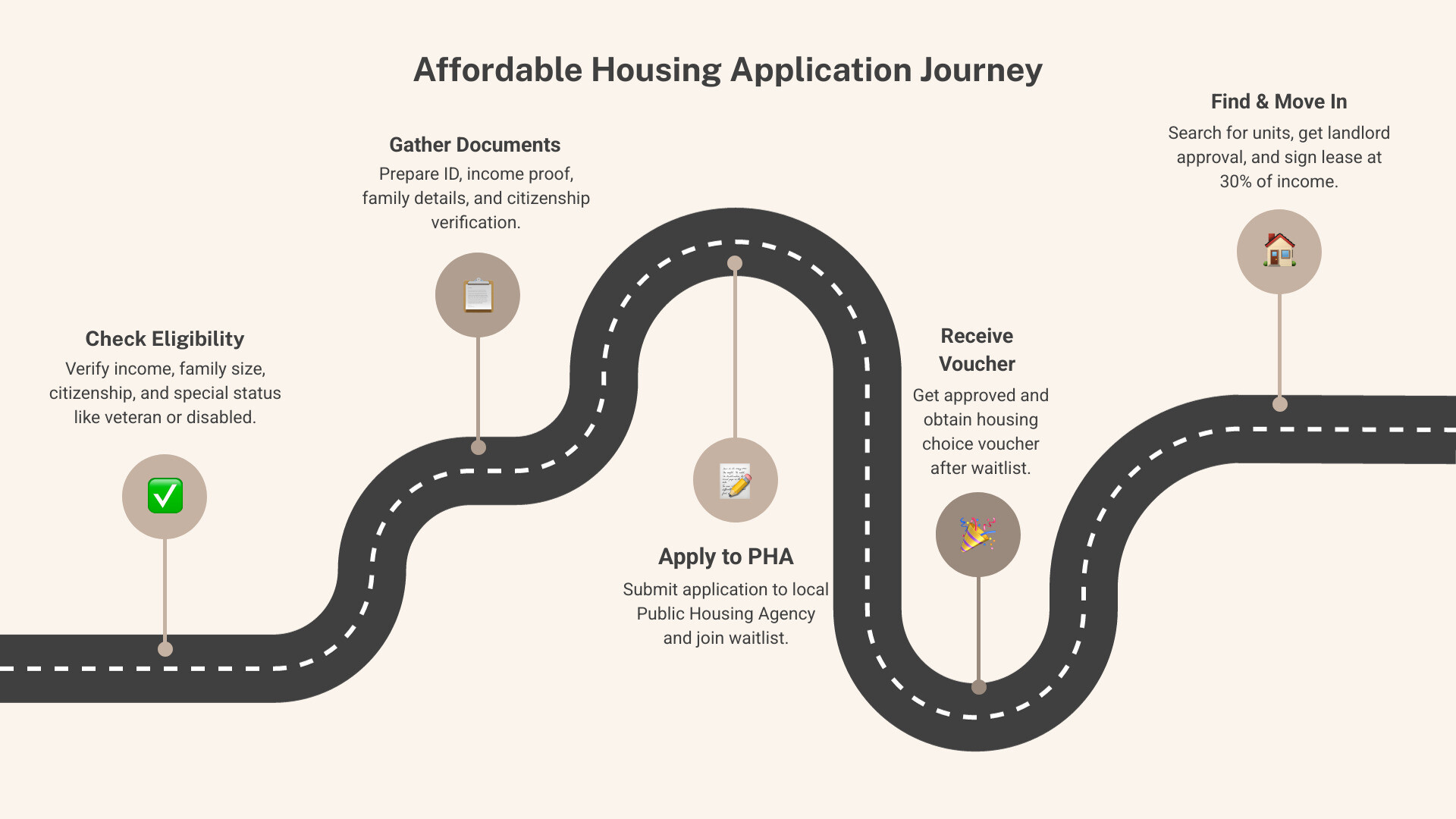
Affordable housing for low income families terminology:
- affordable housing for single moms
- low income housing for elderly and disabled
- low income home buyer programs
Main Types of Affordable Housing for Low Income Families
Finding a place to call home shouldn’t feel like winning the lottery, though sometimes it feels that way. In California, we have several primary “flavors” of assistance. Understanding which one fits your family is the first step toward stability.
Section 8 (Housing Choice Vouchers): This is perhaps the most famous program. Managed by roughly 2,000 local Public Housing Agencies (PHAs) nationwide, it allows you to find your own housing in the private market. The government pays a portion of the rent directly to the landlord, and you pay the rest. It’s “portable,” meaning if you follow the rules, you can eventually move the voucher to a different city or state.
Public Housing: Unlike Section 8, public housing is specifically managed by local agencies. There are approximately 970,000 households living in public housing units across the country. These units range from scattered single-family houses to high-rise apartments. For those in Southern California, the Affordable Rental Housing – LAHD – City of Los Angeles provides a deep dive into how these units are managed locally.
Low-Income Housing Tax Credit (LIHTC) This program encourages private developers to build affordable housing for low income families in exchange for tax credits. These buildings often look like standard “luxury” apartments but have strict income caps. You apply directly to the management office of the building rather than through a government agency.
USDA Rural Development If you live in less populated areas, the USDA offers programs for very low-income families. These can include direct loans with 33-year terms to help you buy or build a home, or rental assistance in rural apartment complexes.
Eligibility Criteria for Affordable Housing for Low Income Families
Who qualifies? Generally, eligibility is based on your “Area Median Income” (AMI). HUD sets these limits annually.
- Low-Income: Households earning 80% or less of the AMI.
- Very Low-Income: Households earning 50% or less of the AMI.
- Extremely Low-Income: Households earning 30% or less of the AMI.
Family size plays a huge role. For example, a family of four can earn significantly more than a single person and still qualify for the same program. Citizenship or eligible immigration status is required, and you’ll need a valid Social Security number for the head of household.
Special priority is often given to:
- Veterans: Many programs, like HUD-VASH, are specifically designed to move veterans into permanent supportive housing.
- Seniors and Disabled Individuals: These groups often qualify for specific deductions that lower their rent even further.
- Local Residents: Some agencies, like the Affordable Rentals – SDHC – San Diego Housing Commission, may give preference to people already living or working in the city.
The Application Process and Rent Calculation
Once you’ve identified a program, it’s time to get your paperwork in order. Think of this as your “Housing Passport.” You will need birth certificates, tax returns, pay stubs, and Social Security cards for everyone in the home.
The Waitlist Reality: Most programs use waitlists. Some are “open” all the time, while others only open for a few days every few years. In some areas, wait times for a two-bedroom unit can be 3 to 5 years, while one-bedroom units might take 8 to 9 years. It is vital to keep your contact information updated with the PHA; if they mail you an update and it’s returned, you could be removed from the list.
The 30% Rule: In most subsidized programs, your rent is calculated using a specific formula. You typically pay the highest of:
- 30% of your monthly adjusted income.
- 10% of your total monthly gross income.
- A minimum rent set by the agency (usually $25 to $50).
Adjusted income is your total income minus deductions for things like dependents ($480 each) or elderly/disabled status ($400 per family). This ensures that affordable housing for low income families remains truly affordable even if your income fluctuates.
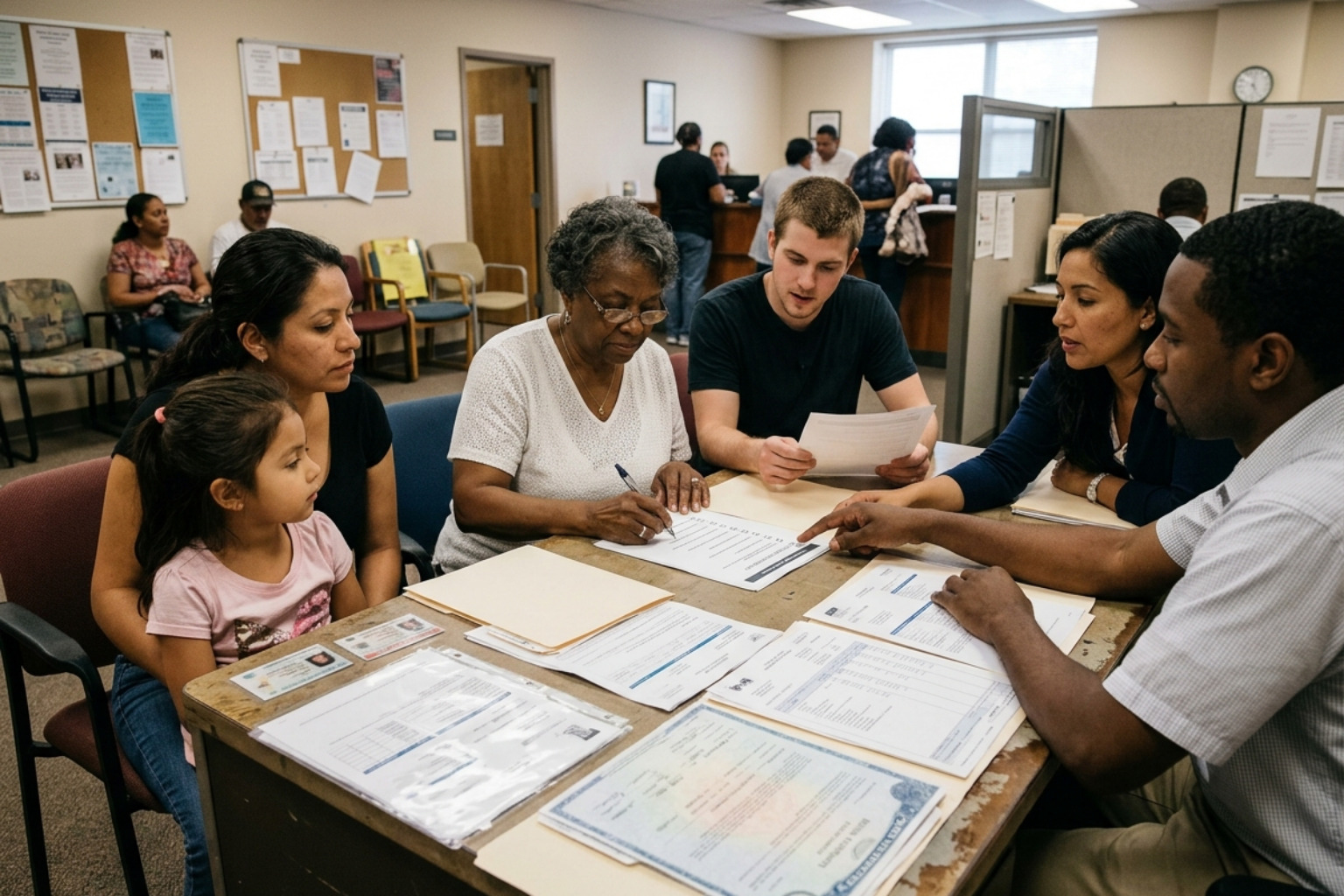
For those looking for specific developments, the Affordable Housing Projects | Housing & Human Services page lists local opportunities in the Riverside area.
Finding and Applying for Affordable Housing for Low Income Families
Searching for a home is a full-time job. We recommend using tools like AffordableHousing.com or the HUD Resource Locator. Many cities also run their own lotteries for new buildings.
When a new LIHTC building opens, they often hold a lottery. If your name is picked, you still have to pass a background check and credit screening. Most properties require your household income to be at least 2.5 times the monthly rent to ensure you can cover your portion.
If you are navigating this process in California, we offer more info about housing services to help guide you through the transition to stable living.
Overcoming Challenges and Tenant Rights
Even with a voucher in hand, the search can be tough. You usually have 60 to 120 days to find a unit. If you can’t find one, you must request an extension from your PHA before the time runs out.
Landlord Acceptance and Fair Housing In California, it is illegal for landlords to discriminate against you just because you have a Section 8 voucher. However, they can still screen you based on your credit history or references.
Your Rights as a Tenant
- Inspections: Your unit must meet basic health and safety standards. If a landlord refuses to fix a safety issue within 24 hours, the PHA may stop payments until it’s resolved.
- Portability: If you’ve lived in the jurisdiction of your PHA for at least a year, you can often “port” your voucher to another city.
- VAWA Protections: The Violence Against Women Act protects survivors of domestic violence from being evicted due to the actions of an abuser and allows for emergency transfers.
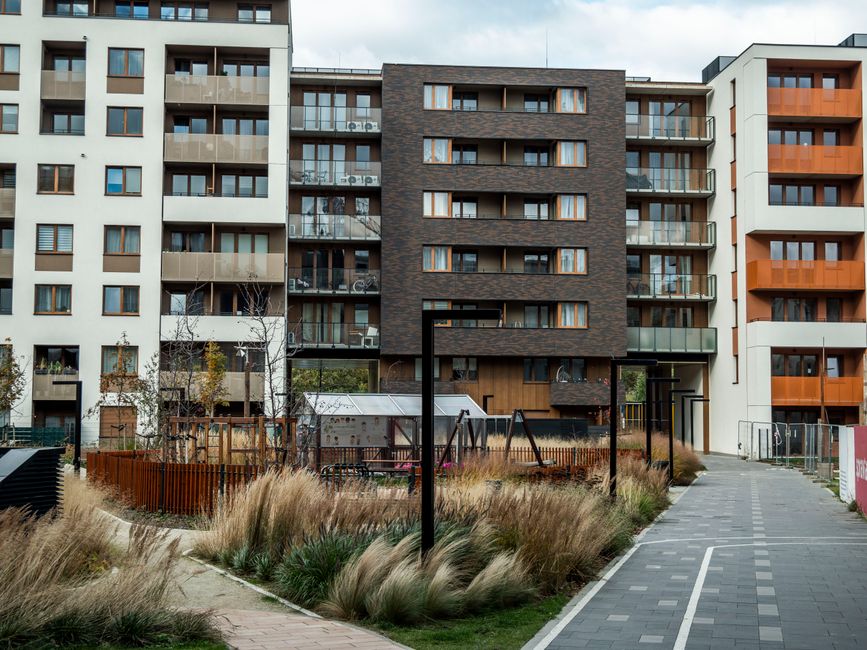
Cities like Irvine have specific local resources to help residents stay informed about their options. You can find more at Affordable Housing in Irvine.
Resources for Long-Term Stability in California
Getting into a home is just the beginning. At LifeSTEPS, we focus on helping families stay there. We are proud to share that our residents maintain a 93% housing retention rate. This isn’t just about paying rent; it’s about building a life.
Financial Support and CalAIM: Moving is expensive. Through the CalAIM program, we can often assist with deposit assistance. This typically covers one month of rent paid in advance to help you secure your new home.
Education and Growth: We believe that self-sufficiency is the ultimate goal. Our programs have seen a 97% literacy improvement through our Summer Reading initiatives, and we have helped students access over $2.1M in scholarships.
| Program Outcome | Achievement Rate |
|---|---|
| Housing Retention Rate | 93% |
| Literacy Improvement | 97% |
| Total Scholarships Awarded | $2.1M |
| Successful Move-ins | Ongoing |
Frequently Asked Questions about Affordable Housing
How long are the waitlists for housing?
Wait times vary wildly. In high-demand areas like Los Angeles or San Diego, you might wait several years. However, if you fall into a “priority” category — such as being a veteran, being homeless, or having a disability — you may move up the list faster. Always ask the PHA about their specific preferences.
How is rent calculated in subsidized programs?
Your rent is generally 30% of your “adjusted” income. If you earn $2,000 a month but have two kids, your “adjusted” income is lower because of the dependent deductions. This means your rent will be lower than someone earning the same amount without children.
Can I move to another city with my voucher?
Yes, this is called “portability.” You usually need to live in your current PHA’s area for at least 12 months first. You’ll need to coordinate between your current PHA and the one in the city where you want to move. Be aware that the new city might have different payment standards, which could change how much you pay.
Conclusion
Securing affordable housing for low income families requires patience, organization, and a bit of persistence. Whether you are applying for Section 8 in San Diego or looking for a LIHTC unit in Riverside, the resources are there to help you bridge the gap.
At LifeSTEPS, we are committed to more than just a roof over your head. We work alongside you to ensure that once you are housed, you have the tools to thrive — from literacy programs for your children to scholarship opportunities for higher education. Stability is possible, and we are here to help you reach it.
For more information our our programs visit lifestepsusa.org
LifeSTEPS currently provides services in California only.


