


Don’t Pack Your Bags Yet
When the Clock Is Ticking: Where to Find Help with Eviction Prevention Right Now
If you need help with eviction prevention, here are the fastest places to start:
- Call 211 – Connect to local rental assistance programs in your area
- Apply for emergency rental assistance – Through local California county programs or HUD-approved resources
- Contact a legal aid organization – Free legal help is available for low-income tenants facing eviction
- Reach out to a HUD-approved housing counselor – Call 800-569-4287 to find one near you
- Talk to your landlord in writing – A repayment plan offer can pause the process while you seek assistance
- Visit LifeSTEPS – LifeSTEPS eviction prevention services provide direct support to California residents facing housing instability
An eviction notice feels like the floor dropping out from under you. For veterans transitioning to civilian life, that stress is amplified when housing instability threatens the stability you’ve worked hard to build.
The good news: most evictions can be slowed, negotiated, or stopped entirely — if you act fast.
Federal programs like HUD’s Eviction Protection Grant Program have provided legal assistance to over 44,000 households, with 92% of those tenants seeing measurable benefits. Across the country, Treasury’s Emergency Rental Assistance programs have delivered over $46 billion to help renters stay housed. In California, targeted programs exist at the county level — and organizations like LifeSTEPS are on the ground helping residents achieve lasting housing stability.
This guide walks you through exactly what to do, who to call, and which programs can help — starting today.
Immediate Steps to Take When You Receive an Eviction Notice
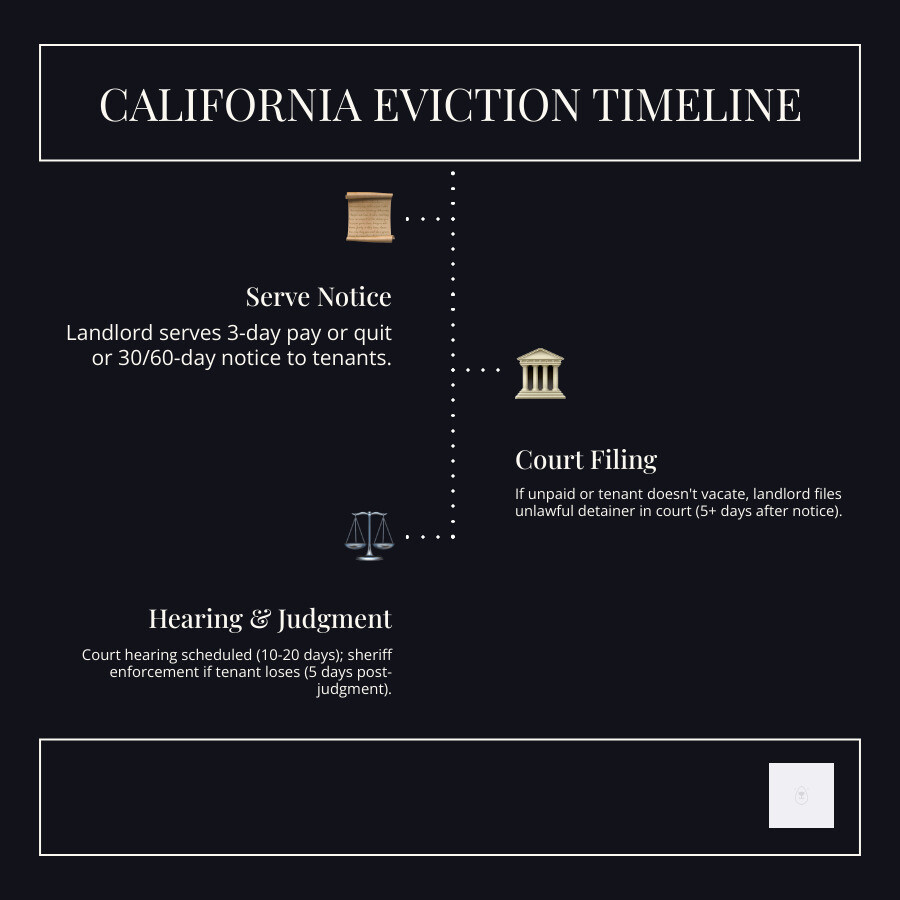
Receiving a notice doesn’t mean you have to move out tomorrow. In California, the process is strictly regulated, and you have specific windows of time to respond. Whether it is a 3-day notice to pay or quit or a 30-day notice to terminate tenancy, your first step is to stay calm and stay put.

1. Call 211 Immediately
This is the universal number for essential community services. When you call, explain that you are facing a housing crisis and need help with eviction prevention. They can direct you to local charities, county-run emergency rental assistance programs, and food banks to help free up your existing cash for rent.
2. Open a Line of Communication with Your Landlord
It might feel intimidating, but many landlords prefer a steady payment plan over the high cost and hassle of a court case. If you have a temporary hardship, like a medical bill or a short gap between jobs, put your situation in writing. Propose a specific repayment schedule. Keeping this communication in writing (email or text) is vital if you later need to show a judge that you tried to resolve the issue in good faith.
3. Gather Your Paperwork
You will need a “crisis folder.” This should include:
- Your current lease agreement.
- The eviction notice you received.
- Proof of income (pay stubs or benefit letters).
- Documentation of your hardship (medical bills, car repair receipts, or a layoff notice).
- Proof of any partial payments you have made.
4. Understand the Legal Stages
You can find a detailed breakdown of your rights and the stages of the process through the Consumer Financial Protection Bureau’s guide on what to do if you’re facing eviction. Knowing the difference between a “Notice” and a “Summons and Complaint” is the difference between having time to negotiate and needing to be in court.
How to Qualify for Help with Eviction Prevention
Most programs designed to provide help with eviction prevention have specific eligibility requirements. While every program varies, we generally see a few common themes in California:
- Income Limits: Many programs serve households earning below 80% of the Area Median Income (AMI), with a priority for those below 50%. Organizations like LifeSTEPS often focus on those who fall below 200% of the federal poverty limit to ensure help reaches those who need it most.
- Hardship Verification: You must be able to prove that your inability to pay was due to a circumstance beyond your control, such as an illness, a death in the family, or a sudden job loss.
- The “Forward-Pay” Rule: Many one-time grants require you to demonstrate that once the back rent is paid, you have enough income to cover future rent. This ensures the assistance creates long-term stability rather than just a one-month delay.
- California Residency: These programs are specific to our state. If you are in Los Angeles, San Diego, or Riverside, you must show residency in those specific jurisdictions to access local pots of money.
For more details on how we assist with these transitions, you can find more info about eviction prevention services on our dedicated program page.
Federal and State Resources for Help with Eviction Prevention
Navigating the sea of acronyms can be confusing. Between federal funding and state-specific programs, there are several “safety nets” currently active in April 2026.
Federal Support: EPGP and ERA
The Eviction Protection Grant Program (EPGP) is a first-of-its-kind federal initiative that funds legal services for low-income tenants. Data shows that 80% of tenants who received extensive legal representation through EPGP were able to preserve their tenancy or negotiate a favorable settlement.
The Emergency Rental Assistance (ERA) program, funded by the Treasury, has provided over 10 million assistance payments nationwide. While many of the initial pandemic-era funds have been utilized, many California counties have moved toward permanent versions of these programs.
California Specifics: CalAIM and EAPE
In California, we have unique tools. For those transitioning into stable housing, the CalAIM program provides critical support. One of the most significant hurdles to moving is the upfront cost; CalAIM can provide deposit assistance, often covering 1 month paid in advance to help you secure a new lease.
For families already receiving CalWORKs, the Emergency Assistance to Prevent Eviction (EAPE) program is a lifesaver. It can provide up to $5,000 as a once-in-a-lifetime payment to cover rent arrears or utility reconnections.
| Program | Best For | Key Requirement |
|---|---|---|
| HUD EPGP | Legal Defense | Low-income status |
| CalAIM | Moving/Deposits | Qualifying health/social needs |
| CalWORKs EAPE | Families in Crisis | Must be a CalWORKs participant |
| LifeSTEPS | Long-term Stability | California resident |
For those in Los Angeles County, you can find more details in the Emergency Assistance to Prevent Eviction (EAPE) Program factsheet.
Finding Legal Aid to Help with Eviction Prevention
You should never go to housing court alone. Tenants with lawyers are significantly more likely to stay in their homes than those who represent themselves.
- Right to Counsel: Many areas in California are moving toward a “Universal Access to Counsel,” meaning if you are below a certain income level, the city or county provides a lawyer for free.
- HUD-Approved Counselors: These professionals don’t just give legal advice; they help you build a financial plan. They can help you apply for grants and negotiate with your landlord.
- Court Navigation: Many housing courts in Los Angeles and San Diego have “Self-Help Centers” where you can get help filing your “Answer” to an eviction lawsuit.
For a broader look at federal tools, see this Comprehensive Step-by-Step Guide for People At Risk of Eviction.
Local California Programs Providing Emergency Assistance
California’s size means that the best help with eviction prevention is often found at the local level. Here is how support looks in our primary service areas.

Los Angeles County
In Los Angeles, the Legal Aid Foundation of Los Angeles (LAFLA) is a primary resource. They provide direct eviction defense and can help you understand local rent control laws, which are some of the strongest in the country. If you live in an unincorporated part of LA County or within the city limits, your rights may vary, and LAFLA helps navigate that maze. You can reach out to them via Eviction Defense – LAFLA.
Riverside County
Residents in Riverside can look to United Lift. This program is a collaboration designed to provide rent and utility relief to those facing financial hardship. They have been instrumental in keeping thousands of families housed by paying arrears directly to landlords. Check their current availability at United Lift: Rent and Utility Relief.
Accessing Support in San Diego and Other Regions
The San Diego Housing Commission (SDHC) operates several eviction prevention initiatives. They focus on mediation and early intervention, trying to settle disputes before they ever reach a courtroom. For those in the San Diego area, visit Eviction Prevention – SDHC to see if you qualify for their current programs.
In other regions of California, local bar associations and legal aid societies provide robust “Stay Housed” programs. These programs often combine legal help with emergency financial assistance to provide a holistic solution to housing instability.
Legal Rights and Court Strategies to Avoid Displacement
If your landlord files an “Unlawful Detainer” (the legal term for an eviction lawsuit), the clock starts ticking very fast. In California, you typically only have 5 days to file a written “Answer” with the court.
The Power of the “Answer”
Filing an Answer is your way of telling your side of the story. If you don’t file it, the landlord wins by default, and a lockout can happen much sooner. In your Answer, you can list “Affirmative Defenses,” such as:
- The landlord refused to accept the rent.
- The unit has serious habitability issues (like no heat or plumbing) that the landlord failed to fix.
- The eviction notice was technically flawed.
Mediation: The Middle Ground
Many California courts now offer or even require mediation. This is a meeting with a neutral third party who helps you and your landlord reach an agreement. You might agree to move out in 60 days instead of 3 (giving you time to find a new place) or agree to a payment plan that allows you to stay.
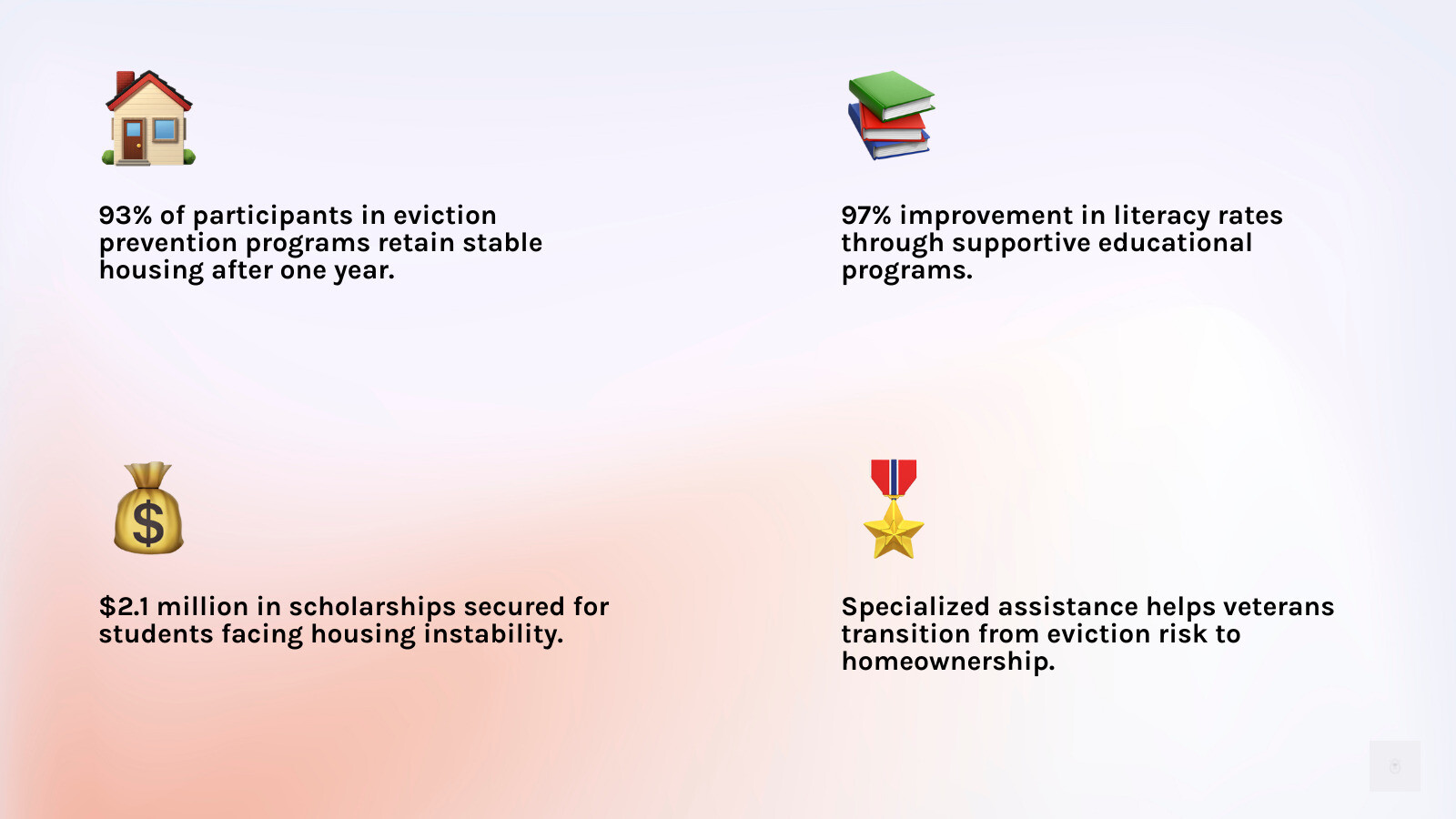
At LifeSTEPS, we have seen that human-centered support makes a massive difference. Our programs boast a 93% housing retention rate. This means that nearly everyone who enters our stable housing support programs is still housed a year later. We also work closely with the Family Self-Sufficiency (FSS) program to help clients, including veterans, move from the fear of eviction toward the dream of homeownership.
If you need more information on our specific approach, check out more info about our programs and services.
Frequently Asked Questions about Eviction Prevention
Can rental assistance stop an active eviction?
Yes! In many cases, if you can show the judge or the landlord’s attorney that you have a “pending” application for rental assistance, the court may stay (pause) the eviction to allow the funds to arrive. Landlords generally want the money more than they want an empty apartment.
What documentation is required for emergency grants?
While every program is different, you should always have your lease, a copy of the eviction notice, your last 30 days of pay stubs, and a written statement explaining your hardship. If you are a veteran, have your DD214 ready, as there are specific pots of money (like SSVF) dedicated to helping veterans stay housed.
How long does the eviction process take in California?
It varies by county, but it is rarely an “overnight” event. After the initial notice (3, 30, or 60 days), the court process can take anywhere from 30 days to several months. However, once a judge signs a “Writ of Possession,” the Sheriff can perform a lockout in as little as 5 days. This is why getting help with eviction prevention early is so critical.
Conclusion
Eviction is a trauma, but it is a preventable one. By acting the moment you realize you can’t make rent, you open up a world of options that disappear once the Sheriff is at the door.
At LifeSTEPS, we believe in measurable outcomes and the power of community. Whether it’s our 97% literacy improvement in our summer reading programs for kids or the $2.1M in scholarships we’ve helped students secure, our goal is to build a foundation of self-sufficiency. For our veterans, we are proud to offer specialized support that honors your service by ensuring you have a permanent place to call home.
You don’t have to face this alone. From deposit assistance through CalAIM to long-term stability planning, help is available. Don’t wait until the boxes are packed. Reach out, get informed, and let’s work together to keep you in your home.
Contact us for help with eviction prevention
LifeSTEPS currently provides services in California only.


