


How to Land Your Dream Career Development Specialist Job
How to Land Your Dream Career Development Specialist Job
What Are Career Development Specialist Jobs (And Is This Career Right for You)?
Career development specialist jobs are roles where professionals help individuals identify career goals, build action plans, and navigate the job search process from start to finish. If you’re exploring this field, here’s a quick snapshot of what to expect:
- What you’ll do: Career coaching, resume reviews, workshop facilitation, employer outreach, and job placement support
- Where you’ll work: Universities, nonprofits, government agencies, and workforce development organizations
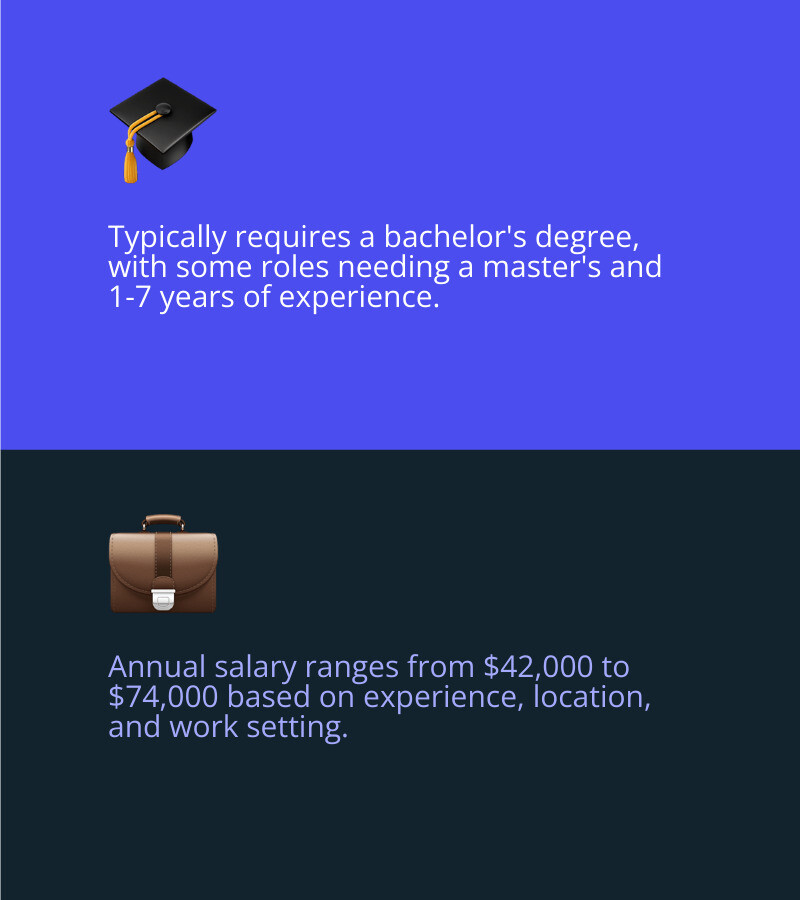
- What you’ll need: Typically a bachelor’s degree (some roles require a master’s) plus 1-7 years of relevant experience
- What you’ll earn: Roughly $42,000 to $74,000 per year depending on experience, setting, and location
For veterans transitioning out of military service, stepping into a career development specialist role can be a powerful way to put leadership experience to work while helping others find their footing. The skills built in service — coaching, organizing, communicating under pressure — translate directly into this field.
Career development specialists work across a wide range of settings, from university career centers supporting first-generation college students to nonprofits helping people in underserved communities achieve economic self-sufficiency. The work is hands-on, people-focused, and deeply tied to outcomes that matter.
This guide walks you through everything you need to know to land a role in this growing field.
LifeSTEPS currently provides services in California only.
Simple guide to career development specialist jobs:
Understanding Career Development Specialist Jobs and Responsibilities
When we look at the core of career development specialist jobs, we see a role that is part counselor, part cheerleader, and part strategist. These professionals are the bridge between a person’s current situation and their future professional aspirations. Whether you are working in a bustling city like Los Angeles or a community hub in Riverside, the mission remains the same: empowering people to take control of their professional lives.
The primary responsibilities usually include:
- Career Coaching: One-on-one sessions to identify strengths and interests.
- Resume Reviews: Helping clients translate their life experiences into professional language.
- Workshop Facilitation: Leading groups through topics like networking or “soft skills” development.
- Employer Outreach: Building relationships with local businesses to find job openings for clients.
For more details on how these services are structured, you can explore our overview of career development services.
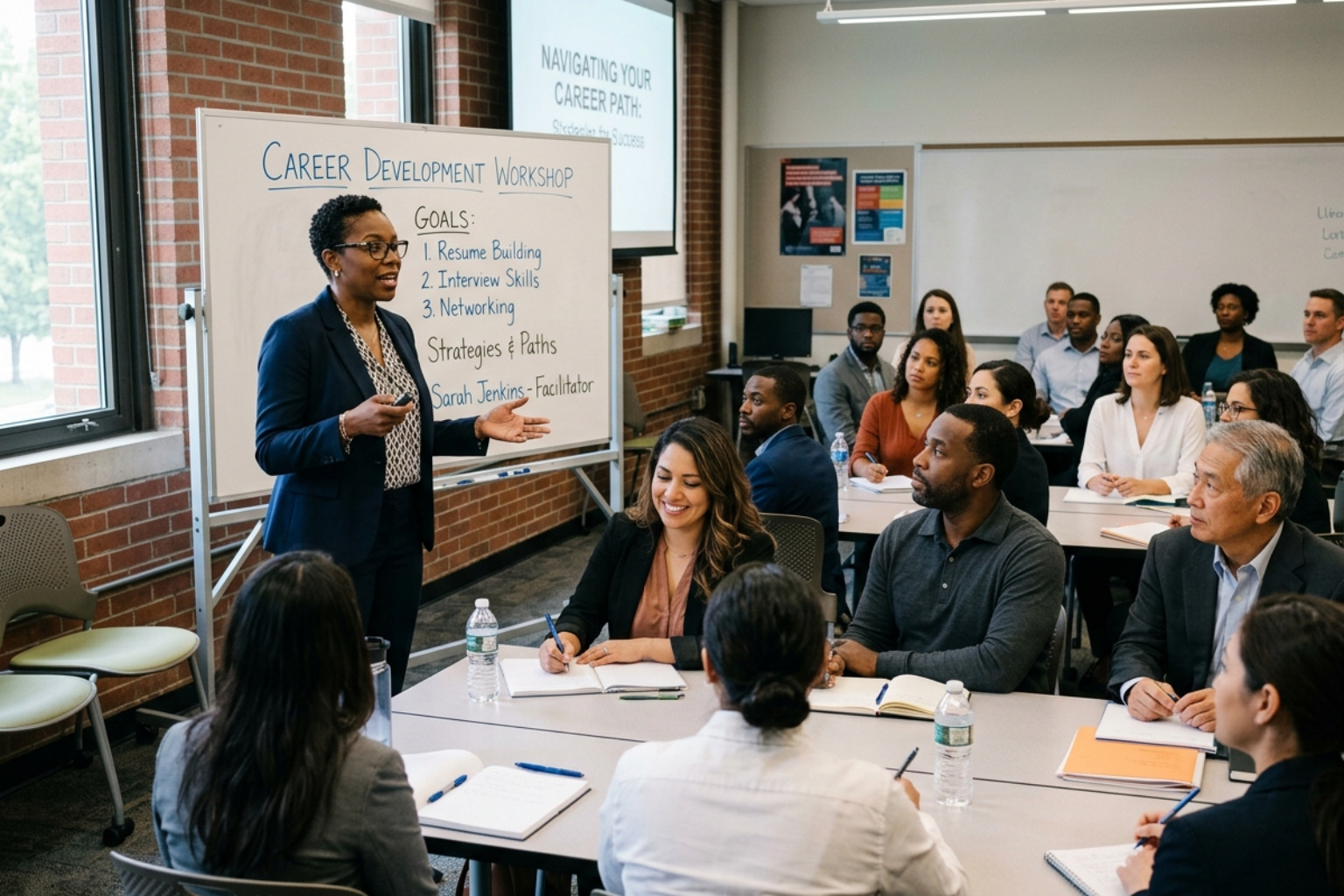
Primary Duties in Workforce Development
In workforce development, the focus is often on economic self-sufficiency. Specialists in this sector work hard on job readiness training, which includes everything from mock interviews to teaching clients how to use modern job search tools.
Once a client is placed in a job, the work doesn’t stop. Retention strategies are a huge part of the job. This might involve checking in with the client after 30, 60, and 90 days to ensure they have the support they need to stay employed. This holistic approach is part of the broader career management process that ensures long-term stability rather than just a quick fix.
Specialized Support for Veterans
In California, there is a significant focus on supporting our veterans. Career development specialists often play a key role in reintegration programs. This includes navigating California’s Alternative Sentencing for Veterans and Service Personnel, which allows eligible veterans suffering from service-related trauma to pursue treatment and career rehabilitation instead of incarceration.
By focusing on education and career potential, specialists help these individuals restore their place in the community. We see this as a vital part of the support system that leads to housing stability and a fresh start.
Key Qualifications and Education Requirements
If you’re looking to apply for career development specialist jobs, your educational background will be the first thing recruiters check. Most entry-level roles require a Bachelor’s degree in counseling, human resources, social work, or education. However, if you are aiming for a leadership role or a position at a major university in San Francisco or San Diego, a Master’s degree is often preferred or even required.
To understand what you’ll be expected to teach others, it’s helpful to review the career development learning outcomes guide, which outlines the milestones clients should reach during their journey.
Essential Skills for Career Development Specialist Jobs
Modern job coaching isn’t just about giving advice; it’s about mastering the tools of the trade. Job postings in the current market highly value:
- Digital Content Creation: Proficiency in Canva to create promotional flyers or LinkedIn banners.
- Social Media Savvy: Knowing how to leverage LinkedIn and even Instagram to build a professional brand.
- AI Literacy: Familiarity with AI job search tools like ChatGPT to help clients optimize their resumes or practice for interviews.
- Assessment Tools: The ability to administer and interpret a career development assessment to guide a client’s path.
Professional Certifications and Growth
Growth in this field is supported by ongoing education. The National Career Development Association (NCDA) offers certifications that are highly respected in the industry. Pursuing these can help you move from a “Professional” level to an “Advanced Professional” or “Senior” role.
Mapping out your own path is just as important as helping your clients. Check out the career development planning ultimate guide to see how you can structure your own professional ascent.
Comparing Work Settings: Higher Education vs. Nonprofits
Where you work will drastically change your day-to-day life. A university setting feels very different from a community-based nonprofit.
Higher Education Roles and Career Clusters
In universities, specialists often work within “career clusters.” For example, you might specifically advise students in Health Sciences or Government and Public Administration. There is a heavy emphasis on:
- Academic Retention: Helping students see the link between their degree and their future paycheck.
- Supporting First-Generation Students: Providing extra guidance for those who are the first in their family to navigate the professional world.
- Data Analysis: Tracking internship data and employment outcomes to prove the university’s value.
- Experiential Learning: Connecting classroom theory to the real world, as detailed in our guide on experiential learning and career development.
Community and Nonprofit Impact
In the nonprofit sector, the goal is often more focused on immediate stability and “wrap-around” supports. Here, career development specialist jobs involve helping people overcome barriers like housing instability or a lack of transportation.
Specialists in this setting perform a career development needs assessment to understand the full picture of a client’s life. Success isn’t just a job offer; it’s the client achieving economic self-sufficiency and moving into stable housing. At LifeSTEPS, we take pride in this human-centered approach, which contributes to our 93% housing retention rate among the people we serve.
Salary Expectations and Career Growth in California
California offers some of the most competitive salaries for career development professionals, though the cost of living in hubs like the Bay Area or Irvine is a factor to consider.
Finding Career Development Specialist Jobs in the Golden State
To find the best roles, we recommend looking at specialized job boards like the California Council of Nonprofits or university-specific portals. Networking is also key—many roles in workforce development are filled through professional connections. For more resources on how to navigate the job market yourself, see our tips on how to level up your future: the best resources for career planning.
Compensation Trends and Benefits
Based on current data for California-based roles, here is what you can expect:
| Experience Level | Typical Salary Range | Key Requirements |
|---|---|---|
| Professional (Entry) | $42,100 – $61,000 | Bachelor’s Degree, 0-2 years experience |
| Advanced Professional | $51,000 – $74,000 | Bachelor’s + 3-5 years or Master’s + 1 year |
| Specialized/Grant-Funded | $47,490 – $71,230 | Varies by grant requirements |
Beyond the base salary, many organizations offer robust benefits. For example, university roles often include tuition benefits, allowing you to pursue a Master’s degree for free or at a deep discount. Nonprofit roles often provide flexible hybrid work schedules and extensive medical insurance packages.
Frequently Asked Questions about Career Development Specialist Jobs
What is the typical entry-level salary for this role?
In California, entry-level salaries usually start around $42,000 to $45,000. In high-demand areas like San Francisco or Los Angeles, this may be slightly higher to account for the cost of living.
Do I need a Master’s degree to work in a university career center?
While some entry-level “Professional” roles only require a Bachelor’s degree, many universities prefer a Master’s degree in Counseling or Higher Education for their specialist and assistant director positions.
What are the most valued technical skills for career specialists today?
Recruiters are looking for “digital fluency.” This means being able to use LinkedIn for networking, Canva for creating marketing materials, and AI tools to help clients with resume optimization and interview prep.
Conclusion
Landing one of the many career development specialist jobs available today is about more than just having the right degree; it’s about a passion for helping others reach their full potential. Whether you are helping a student find their first internship or assisting a veteran in transitioning to civilian life, your impact is measurable and profound.
At LifeSTEPS, we believe that career success is a pillar of a stable life. We provide essential human-centered support to help Californians achieve housing stability and self-sufficiency. We are proud of our 93% housing retention rate and our commitment to the next generation, having provided over $2.1M in scholarships.
LifeSTEPS currently provides services in California only.


