


Senior Housing Assistance: Your Roadmap to a New Home
Senior Housing Assistance: Your Roadmap to a New Home
Finding Your Path to Affordable Housing for Seniors in California
Affordable housing for seniors is within reach — and knowing where to start makes all the difference.
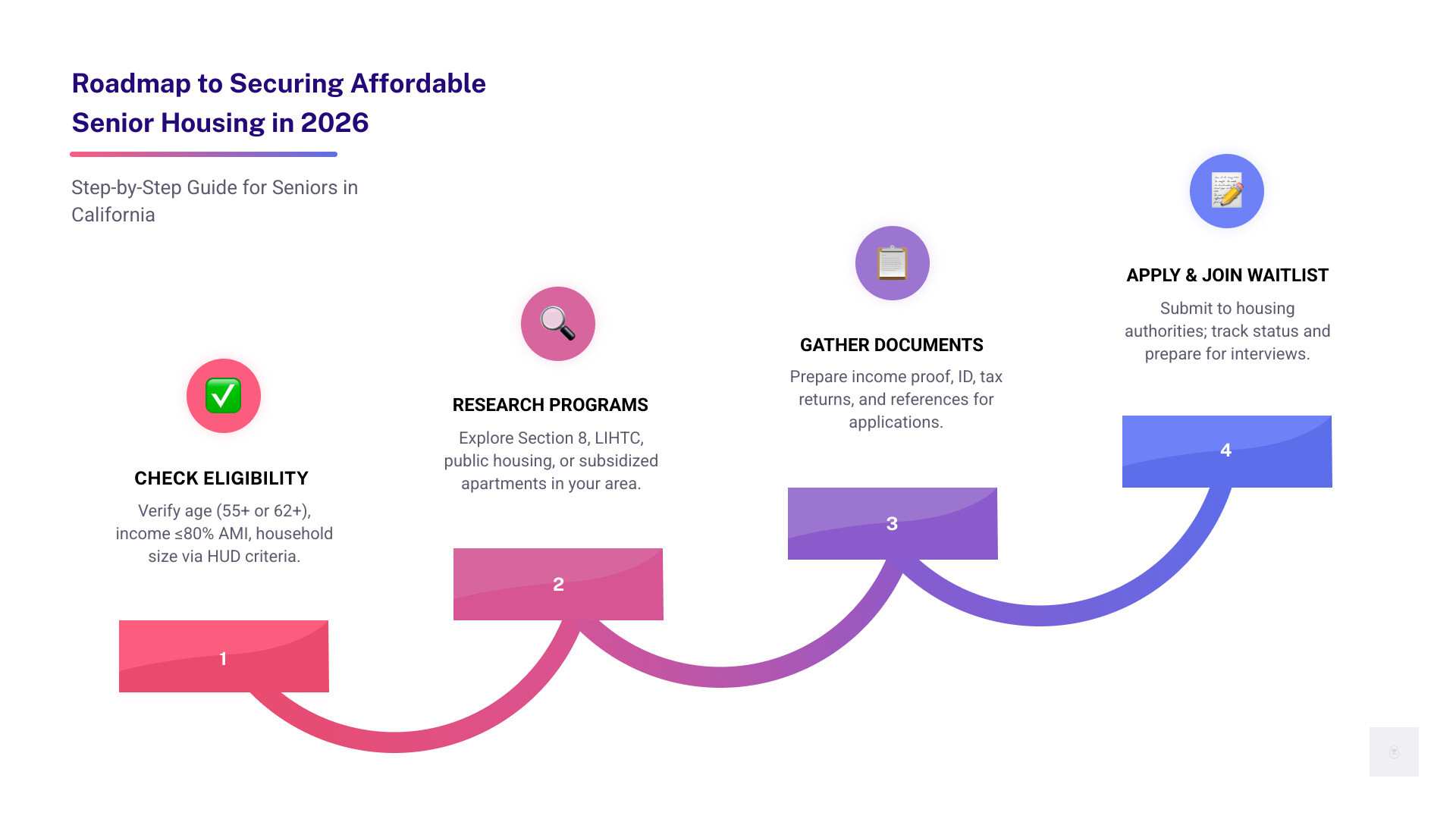
Here are the most common ways seniors in California secure affordable housing:
- Public Housing — Income-based rentals managed by local housing authorities
- Section 8 / Housing Choice Vouchers — Government vouchers that cover a portion of rent at participating properties
- Low-Income Housing Tax Credit (LIHTC) Communities — Private developments with reduced rents tied to Area Median Income (AMI)
- Subsidized Senior Apartments — Communities where eligible residents pay no more than 30% of their adjusted gross income on rent and utilities
- Supportive Housing — Affordable units paired with on-site services for seniors with disabilities or complex needs
Most programs require applicants to be age 55 or 62+ and earn at or below 80% of the Area Median Income (AMI) for their area.
Finding the right fit takes some research — programs vary by city, income level, and availability. Waitlists can run long. But with the right roadmap, you can move forward with confidence.
LifeSTEPS currently provides services in California only.
Quick Affordable housing for seniors terms:
- affordable independent living facilities
- cheap assisted living facilities
- cheap assisted living facilities near me
Affordable Housing for Seniors: Types and Eligibility

Navigating housing can feel like learning a new language. When we talk about Affordable housing for seniors, we are usually referring to homes where the cost is restricted so that you have money left over for groceries, healthcare, and the fun things in life.
The first step in your journey is to Determine the Best Housing Option For Me based on your health and lifestyle needs. Generally, eligibility for these programs boils down to two main factors: age and income. Most senior-specific communities require at least one member of the household to be 55 or 62 years old.
The “Golden Rule” of affordability in these programs is the 30% rent rule. This means that in many subsidized buildings, your rent and basic utilities are capped at 30% of your adjusted gross income. If your income goes down, your rent follows suit, providing a massive safety net for those on fixed incomes.
What are the income limits for affordable housing for seniors?
Income limits are not one-size-fits-all. They are based on the Area Median Income (AMI), which changes depending on where you live. For example, the income limit for a senior in Irvine might be higher than for someone in Riverside because the local cost of living is different.
HUD (the U.S. Department of Housing and Urban Development) sets these limits annually. Usually, you must fall into one of these categories:
- Low Income: 80% of AMI
- Very Low Income: 50% of AMI
- Extremely Low Income: 30% of AMI
When calculating your income, agencies look at your “adjusted gross income,” which allows for certain deductions, such as high medical expenses, which are common for many of us as we age.
Are pets allowed in affordable housing for seniors?
Good news for animal lovers! Federal law generally requires that residents in subsidized senior housing be allowed to keep common household pets. We know that a furry friend isn’t just a pet; they are family and provide vital emotional support.
While pets are allowed, there are usually some ground rules:
- Deposits: You may need to pay a pet deposit (for example, around $150 for a dog or cat).
- Service Animals: If you have a certified service or assistance animal, these pet rules and deposits typically do not apply.
- Rules: Buildings often have size or breed restrictions to ensure everyone in the community stays safe and comfortable.
For those looking for a community that balances independence with support, you can find More info about senior independent living on our site.
Federal and California-Specific Housing Programs

In California, we have a mix of federal and state-level support designed to keep seniors housed. The heavy hitters are Section 8 vouchers and the Low-Income Housing Tax Credit (LIHTC) program. While Section 8 vouchers stay with the person, LIHTC “vouchers” are often tied to the specific apartment building.
If you are looking for local guidance, the Low-Income Residents – LAHD – City of Los Angeles portal is an excellent starting point for those in the LA area.
Southern California Housing Resources
Southern California has several dedicated commissions that manage affordable rentals. If you are in the southern part of the state, these resources are your best bet:
- San Diego: You can Rent from SDHC – San Diego Housing Commission by checking their active listings for senior-restricted units.
- Riverside: The Affordable Rentals | CEDD – Riverside, California page provides a directory of properties specifically for those on a budget.
- Irvine: The Senior Housing | City of Irvine site lists both existing and future developments.
Bay Area Senior Living Options
In the Bay Area, communities like San Leandro, CA Affordable Senior Housing offer fantastic examples of what to look for. These properties often prioritize “transit access,” meaning they are located near bus lines or trains so you can get around without needing a car.
They also provide “reasonable accommodations.” This means if you have a disability, the housing provider must make changes to rules or physical spaces (like adding a grab bar) to ensure you can live there comfortably.
Amenities, Services, and Aging in Place
The best Affordable housing for seniors offers more than just four walls and a roof. It offers a community. Modern developments are designed with “aging in place” in mind—the idea that you should be able to stay in your home even as your health needs change.
Many of these communities offer “Enriched Housing” or “Supportive Housing.” This might include an on-site service coordinator who helps you schedule doctor appointments or social activities like exercise classes and bingo nights. To see how these wrap-around services work, you can find More info about LifeSTEPS programs that support stable living.
Essential Community Amenities
When touring a potential new home, look for these senior-friendly features:
- Emergency Call Systems: Pull cords or buttons in the bathroom and bedroom that alert staff if you fall.
- Community Rooms: Spaces for potlucks, classes, and chatting with neighbors.
- Energy-Efficiency: Features like double-paned windows and water-efficient fixtures keep utility costs low.
- Security: Gated entries or 24-hour front desk monitoring.
Supportive Services for Veterans and Disabilities
We hold a special place in our hearts for those who have served. Programs like the ones offered at Affordable Senior Living Apartments in Chula Vista, CA often integrate health services directly on-site. Some properties even include a PACE (Program of All-Inclusive Care for the Elderly) clinic, which provides primary and long-term care right where you live.
The impact of this support is clear: veteran-specific supportive housing programs often see a 95% housing stability rate. Even for seniors with one or more disabling conditions, the combination of a stable home and integrated healthcare leads to long-term success.
The Application Roadmap: Waitlists and Requirements
Applying for Affordable housing for seniors is a marathon, not a sprint. Because these apartments are in high demand, waitlists can range from a few months to several years.
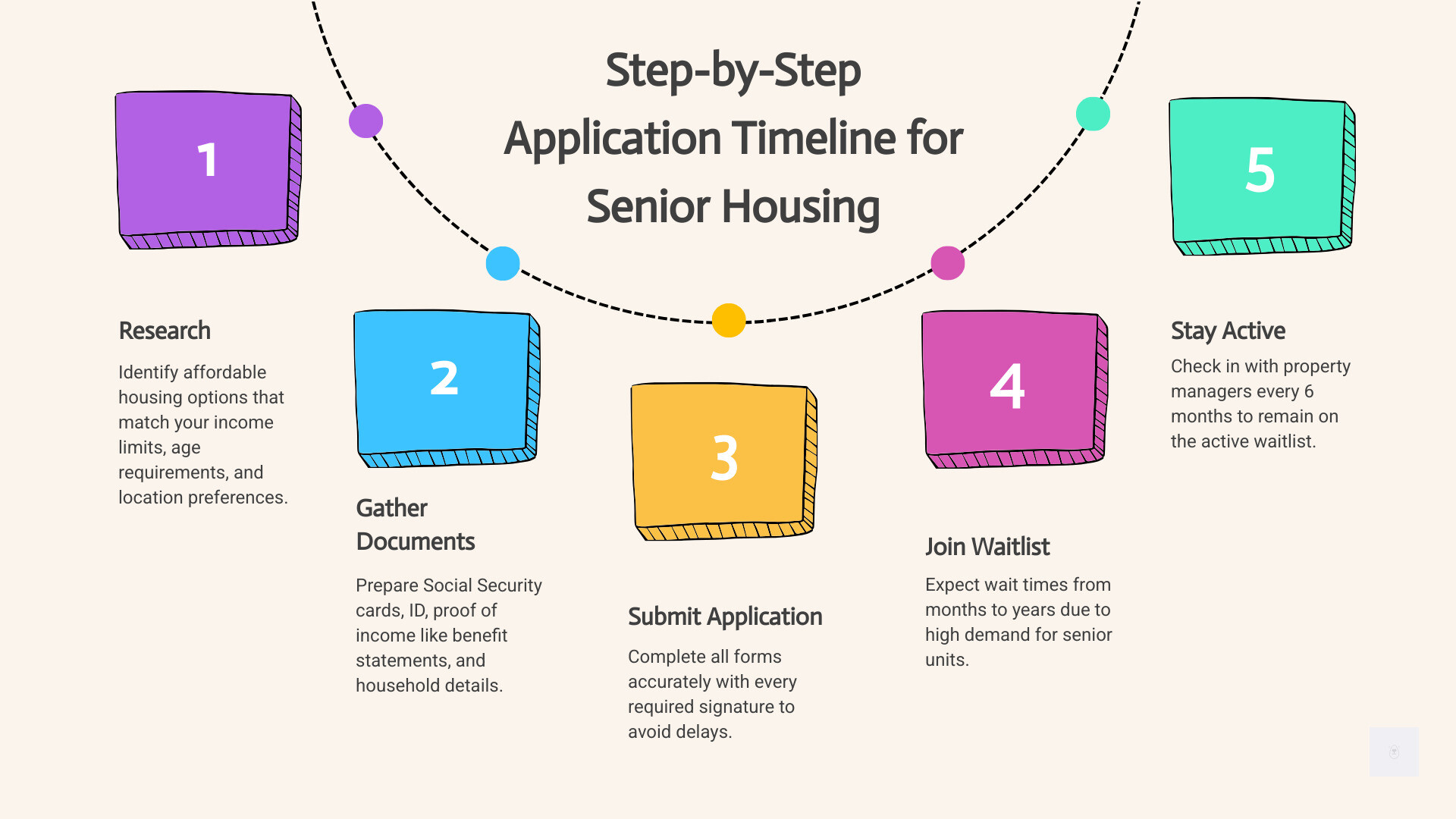
The process usually looks like this:
- Research: Identify properties that fit your income and age.
- Application: Fill out the forms completely. Missing one signature can set you back months!
- Documentation: Have your Social Security cards, ID, and proof of income (like your 2026 benefit letter) ready.
- The Wait: Check in with the property manager every six months to ensure you are still on the active list.
Protecting Against Discrimination and Scams
Seniors are often targets for housing scams. Remember: you should never have to pay a “secret fee” to get to the top of a government waitlist. The Fair Housing Act protects you against discrimination based on race, religion, gender, or disability. If you feel you’ve been treated unfairly, legal assistance is available through local senior advocacy groups.
Also, be wary of reverse mortgage scams. While a reverse mortgage can be a legitimate tool to help you stay in your home, always consult with a HUD-approved housing counselor before signing anything.
Staying in Your Home vs. Moving
Sometimes, the best “new” home is the one you’re already in. If you prefer to stay put, look into:
- Home Modifications: Programs that help pay for ramps or walk-in tubs.
- Accessory Dwelling Units (ADUs): Building a small “granny flat” in the backyard for a caregiver or to rent out for income.
- Housing Counseling: Professional advice on how to manage your mortgage and property taxes on a fixed income.
Frequently Asked Questions
How do I qualify for a rent subsidy?
Qualification is primarily based on your household income compared to the Area Median Income (AMI). Most subsidies are reserved for those earning less than 50% or 30% of the AMI. You will need to provide tax returns or benefit statements to prove your eligibility.
What utilities are typically included in senior housing?
It varies by building, but many affordable senior apartments include water, trash, and sewer in the rent. Some even include electricity and heat. If utilities are not included, the program often provides a “utility allowance”—a small deduction from your rent to help you cover those bills.
How long are the typical waitlists for affordable units?
In popular areas like San Diego or Los Angeles, waitlists can be 2 to 5 years long. This is why we recommend applying to multiple buildings at once. “Casting a wide net” increases your chances of a spot opening up sooner.
Conclusion
At LifeSTEPS, we believe that everyone deserves a stable, dignified place to call home. Our mission is to provide the human-centered support needed to navigate these complex systems. We are proud of our 93% housing retention rate, which shows that when seniors have the right resources, they thrive.
Through the CalAIM program, we are even able to offer deposit assistance (typically covering 1 month paid in advance) to help eligible individuals transition into permanent housing. Our commitment to the community goes beyond housing; we celebrate a 97% literacy improvement in our youth programs and have awarded over $2.1M in scholarships to help the next generation succeed.
If you are ready to start your journey toward a more secure future, we are here to help. Contact LifeSTEPS for more information and let’s find your roadmap home together.
LifeSTEPS currently provides services in California only.


