


Stop the Boot with the Eviction Protection Grant Program
Every Renter Deserves a Fighting Chance: What the Eviction Protection Grant Program Means for You
The eviction protection grant program known as EPGP is a first-of-its-kind federal initiative launched by HUD in 2021 to fund free legal services for low-income tenants facing eviction. Here is what you need to know fast:
- What it is: A HUD-funded grant program that pays experienced legal service organizations to represent tenants at no cost
- Who it helps: Low-income renters at risk of or subject to eviction, including veterans, people of color, and those with limited English
- What it covers: Legal advice, court representation, eviction diversion, and court navigation
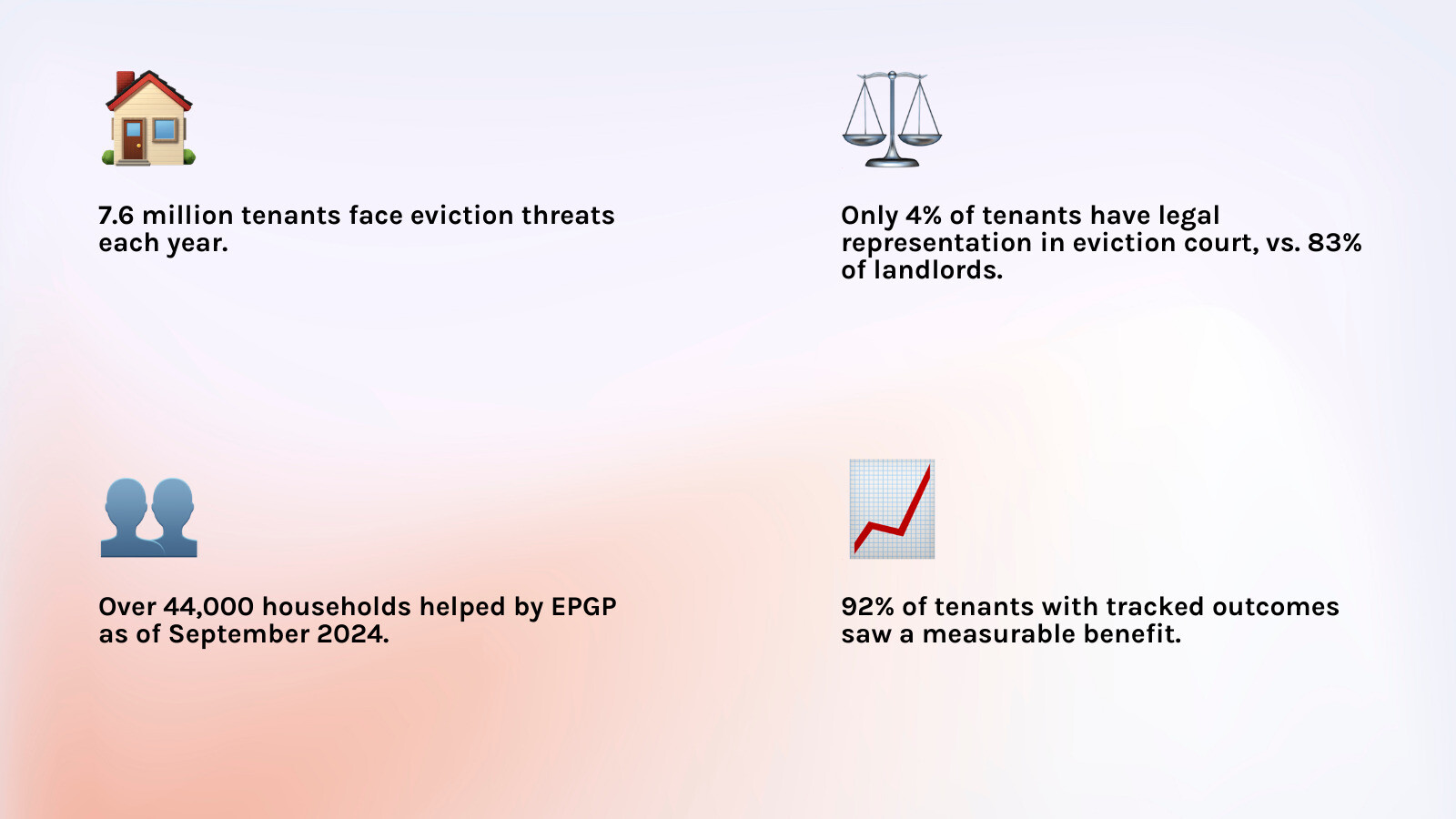
- How big it is: Over 44,000 households helped as of September 2024, with $40 million awarded in the most recent funding round
- Key result: 92% of tenants with tracked outcomes saw a measurable benefit after receiving services
The numbers behind this program tell a serious story. Each year, 7.6 million tenants face the threat of losing their home. Only 4% of tenants have legal representation in eviction court, while landlords are represented 83% of the time. That gap changes everything about how a case ends.
For veterans transitioning to civilian life, housing instability is one of the biggest obstacles to long-term stability. A single eviction filing can derail everything — employment, benefits, and the path to homeownership.
LifeSTEPS currently provides services in California only.
What is the Eviction Protection Grant Program?

The eviction protection grant program (EPGP) is a specialized funding stream managed by the U.S. Department of Housing and Urban Development’s (HUD) Office of Policy Development and Research (PD&R). Unlike standard rental assistance that sends a check to a landlord, EPGP focuses on the “legal shield.” It provides grants to experienced non-profit organizations and governmental entities so they can offer no-cost legal assistance to low-income tenants.
The program was born out of a stark reality: in 2016 alone, there were over 2.3 million eviction filings across the country. By the time the pandemic hit in 2021, data showed over 7 million renter households were behind on rent. The Eviction Protection Grant Program | HUD USER serves as a critical intervention point to keep families in their homes. For a deeper look at how these initiatives work on the ground, you can explore our more info about eviction prevention programs.
Goals of the Eviction Protection Grant Program
The primary goal of the eviction protection grant program is to increase housing stability. However, it isn’t just about showing up in court. The program aims to:
- Expand Access: Bring legal services to high-eviction areas, including rural communities that often lack legal aid infrastructure.
- Protect Marginalized Groups: Address the disproportionate impact of evictions on people of color, individuals with disabilities, and those with limited English proficiency.
- Build Evidence: Use data from grantees to prove that legal representation is a cost-effective way to prevent homelessness.
The FY 2021 Eviction Protection Grant Program set the stage by funding 21 initial grantees who have since provided a lifeline to tens of thousands of households.
How the Eviction Protection Grant Program Funds Legal Services
When an organization receives EPGP funding, they use those dollars to build a comprehensive defense system for tenants. This includes:
- Legal Representation: Attorneys who represent tenants in court proceedings.
- Advice and Brief Services: Helping tenants understand their rights before they even get to court.
- Court Navigation: Guiding renters through the confusing paperwork and deadlines of the judicial system.
- Mediation: Facilitating settlements between landlords and tenants to avoid a formal eviction on the tenant’s record.
This multi-layered approach is part of a broader network of support. You can find more details in the ultimate list of eviction prevention grants.
Eligibility and Impact: Who Benefits from EPGP?
To benefit from the eviction protection grant program, individuals generally must be low-income tenants who are either at risk of eviction or already facing a court filing. The impact of this program has been massive. As of late 2024, EPGP grantees have assisted over 44,000 households.
The difference between having a lawyer and “going it alone” is night and day. In many jurisdictions, tenants with full legal representation win or settle their cases 96% of the time, compared to just 62% for those without.
| Outcome | Self-Represented Tenants | Tenants with EPGP Legal Aid |
|---|---|---|
| Case Won or Settled | ~62% | ~96% |
| Default Rate (Automatic Loss) | ~26% | ~8% |
| Measurable Benefit Received | Variable | 92% |
For more information on the technical side of these awards, visit the Eviction Protection Grant Program – HUD Exchange.
Measurable Outcomes for Tenants
The results of the eviction protection grant program are not just numbers; they represent families staying together and children staying in their schools. Our research shows that 80% of tenant households receiving extensive representation were able to preserve their tenancy, prevent an eviction filing, or negotiate a favorable settlement. Fewer than 5% experienced actual displacement. This kind of stability is central to how community programs prevent eviction.
Addressing Disparities for Marginalized Groups
Eviction does not hit every community equally. Black and Hispanic women, for example, face significantly higher eviction rates than other groups. The eviction protection grant program specifically targets these disparities by requiring grantees to engage in affirmative outreach. This ensures that people with disabilities and those who speak languages other than English are not left behind by the legal system.
EPGP vs. Rental Assistance: Understanding the Difference
It is easy to confuse the eviction protection grant program with other rental assistance programs, but they serve different roles in the housing stability “toolbox.”
- EPGP: Focuses on legal services. It pays for the lawyer, the mediator, and the court navigator.
- Rental Assistance (like ERAP or CBRAP): Focuses on financial payments. These programs pay the back rent directly to the landlord.
In California, we often see these programs work hand-in-hand. For instance, through programs like CalAIM, we can assist with deposit assistance—typically requiring 1 month paid in advance—while legal aid ensures the tenant isn’t unfairly forced out before that assistance can be applied. Combining legal defense with emergency rent assistance to avoid eviction creates a “belt and suspenders” approach to housing security.
Complementary Programs in California
California has several localized programs that work alongside the federal eviction protection grant program:
- San Diego Eviction Prevention Program (EPP): Provides legal help specifically for residents of the City of San Diego.
- Los Angeles EAPE: Offers emergency assistance to prevent eviction for qualifying families.
- LifeSTEPS Services: We provide eviction prevention services that include case management and resource navigation to complement these legal and financial supports.
How to Access Eviction Protection and Legal Aid
If you are a tenant in California facing the threat of losing your home, you don’t have to wait for an “official” notice to seek help. The eviction protection grant program funds organizations that can help you understand your lease and your rights early on.
The first step is often to find the housing help you need now by connecting with a HUD-certified housing counselor or a local legal aid society.
Finding Local Grantees in Southern California and the Bay Area
In California, EPGP funding has reached several key regions. Grantees operate in:
- Southern California: Organizations in Riverside and San Bernardino counties have received support to help tenants in high-need areas.
- San Diego: Local legal service providers utilize these funds to support the City of San Diego Eviction Prevention Program (EPP).
- Bay Area: Legal aid societies in San Francisco and surrounding counties provide no-cost representation to low-income renters.
For a comprehensive look at how to navigate these local resources, visit our guide on eviction prevention programs.
Frequently Asked Questions about Eviction Protection
What legal services are covered by EPGP?
The eviction protection grant program covers a wide range of services, including legal representation in court, assistance with filing responses to eviction notices, mediation with landlords, and education regarding tenant rights and fair housing laws.
How do I find EPGP-funded services in my area?
You can visit the HUD User website or the HUD Exchange to see a list of current grantees. In California, you can also contact local legal aid offices in Los Angeles, San Diego, or the Bay Area, as many of these organizations are either direct grantees or partners in the program.
What is the evidence base for legal representation?
Research consistently shows that legal representation is the single most effective factor in preventing eviction. Studies in cities like New York and states like Minnesota have shown that represented tenants are significantly more likely to stay in their homes or reach a settlement that avoids a permanent eviction record.
Conclusion: Building Stable Communities in California
At LifeSTEPS, we believe that housing is the foundation of a stable life. Our commitment to this belief is reflected in our 93% housing retention rate for the individuals we serve. By helping our clients—including veterans—navigate the complexities of the eviction protection grant program and other local resources, we help build stronger, more resilient communities.
Our impact goes beyond just keeping a roof over someone’s head. We see a 97% literacy improvement through our summer reading programs for youth and have helped students secure $2.1M in scholarships for higher education. Whether it is through deposit assistance or helping a family achieve homeownership, we are here to support the journey to self-sufficiency.
If you or someone you know is facing a housing crisis, legal help is available. Programs like EPGP are designed to ensure that the “boot” of eviction doesn’t stop your progress toward a stable future. Explore our Eviction Prevention Program to learn more about how we can help.
LifeSTEPS currently provides services in California only.


