


The Ultimate Guide to Rental and Deposit Assistance
When Rent Is Out of Reach: What Rental and Deposit Assistance Can Do for You
Rental and deposit assistance programs provide one-time or short-term financial help to cover move-in costs, back rent, and security deposits — so you can get housed or stay housed when money runs short.
Here’s a quick breakdown of what these programs typically cover:
- Security deposit — usually equal to one month’s rent, paid in advance
- First month’s rent — upfront payment required by most landlords
- Rental arrears — past-due rent that puts you at risk of eviction
- Utility deposits and past-due bills — to restore or maintain essential services
- Moving expenses and application fees — in some programs
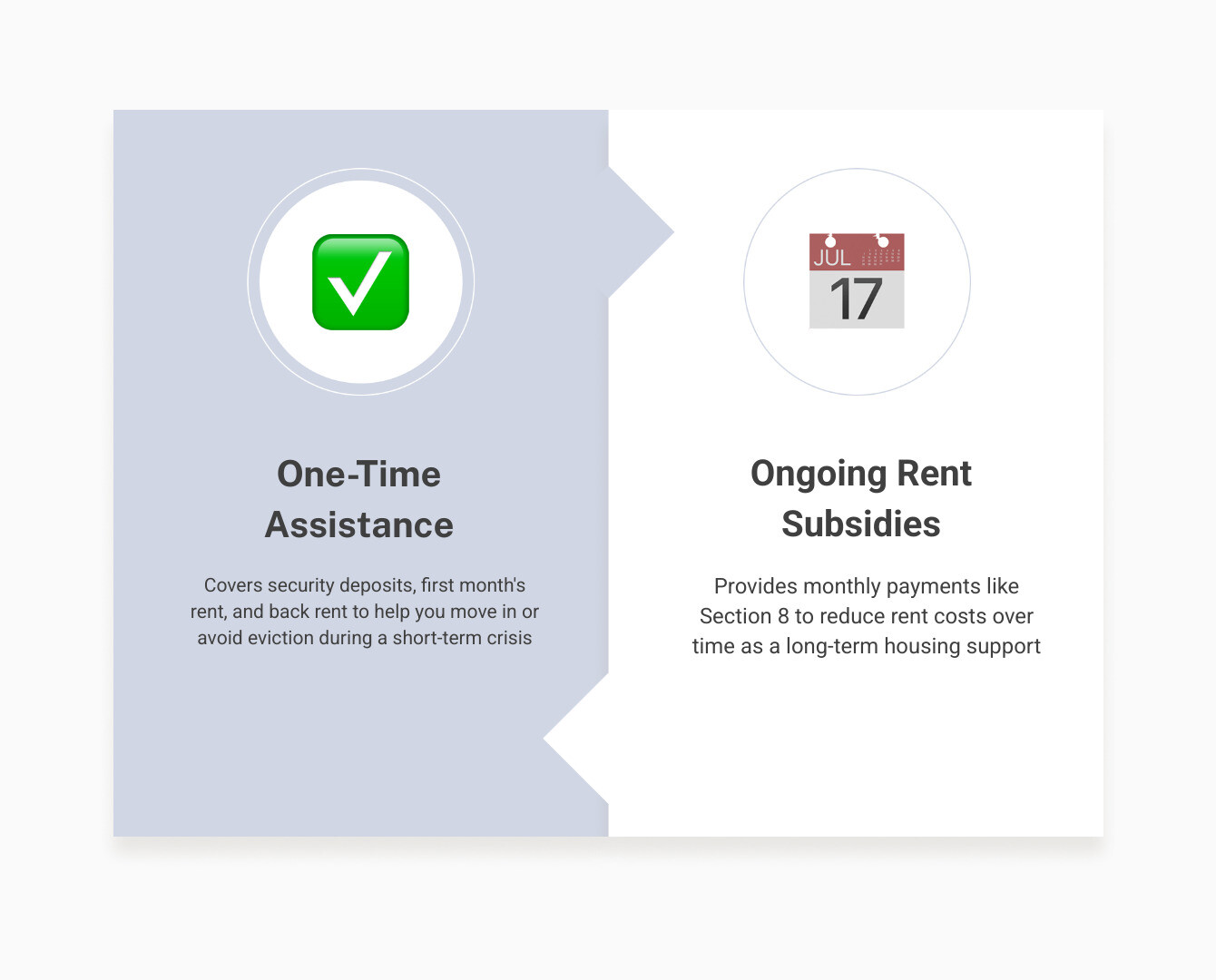
These programs are not the same as ongoing rent subsidies like Section 8. They are designed for people facing a short-term housing crisis — not as a permanent monthly benefit.
For veterans transitioning out of the military, that distinction matters. You may have steady income on the way but not enough saved to cover move-in costs right now. That’s exactly the gap these programs are built to bridge.
In 2024 alone, the 211 network processed over 8.5 million referrals for housing, homelessness, and utility assistance — which shows just how many people are navigating this same challenge.
LifeSTEPS currently provides services in California only.
Rental and deposit assistance vocab explained:
Understanding Rental and Deposit Assistance Programs
When we talk about rental and deposit assistance, we are referring to a vital safety net designed to help Californians overcome the high upfront costs of housing. In cities like Los Angeles, San Diego, and Riverside, the barrier to entry for a new apartment is often several thousand dollars. This includes the security deposit (typically one month’s rent paid in advance) and the first month’s rent.
These programs function differently than long-term subsidies. While a voucher might pay a portion of your rent every month for years, rental and deposit assistance is usually a one-time “shot in the arm” to help you move into a stable home or prevent an eviction. According to federal data, programs like the Emergency Rental Assistance (ERA) have provided over $46 billion nationally to support housing stability, proving that a little help at the right time can prevent a lifetime of housing insecurity.
For those currently looking for a new place, first month rent and security deposit assistance can be the difference between signing a lease and remaining in a shelter or a car. Organizations like Shelter Inc. often partner with local agencies to provide these specific move-in funds.

Who Qualifies for Rental and Deposit Assistance?
Eligibility for these programs is usually based on your income relative to the Area Median Income (AMI). Most programs require your household income to be at or below 50% or 80% of the AMI for your specific county. For example, the AMI in San Diego will look very different from the AMI in Riverside.
Beyond income, programs often prioritize specific groups who are at the highest risk of homelessness:
- Veterans: Those who have served our country often have access to specialized funds like HUD-VASH or SSVF.
- Families with Children: Ensuring children have a stable place to sleep is a top priority for most state-funded programs.
- Survivors of Domestic Violence: Many programs offer expedited assistance to help survivors move into safe, independent housing.
- People with Disabilities or Chronic Illness: This includes specialized support for those living with HIV/AIDS or mental health challenges.
If you are facing an immediate crisis, such as a three-day notice to pay or quit, you should look into an emergency rental assistance California complete guide to see which local priority groups you might fall into.
Types of Costs Covered by Assistance
It isn’t just about the rent check. Modern rental and deposit assistance programs are comprehensive because they recognize that “moving in” involves many hidden fees.
- Rental Arrears: This is back rent you owe your current landlord. Paying this can stop an eviction in its tracks.
- Security Deposits: Often the biggest hurdle, these funds are typically paid directly to the landlord.
- Utility Assistance: Many programs cover utility deposits or past-due water and electric bills to ensure you have a functional home.
- Application Fees: For those with zero income, some programs provide small grants (up to $100) to cover the cost of applying for apartments.
| Type of Aid | Description | Who Pays? |
|---|---|---|
| Grant-Based Aid | Direct cash payment to the landlord or utility company. | Government or Nonprofits |
| Security Deposit Guarantee | A letter of guarantee to the landlord instead of cash. | State-specific programs |
| Loan Programs | Small, low-interest loans specifically for move-in costs. | Community Credit Unions |
Federal and State Resources for California Renters
California has a robust network of resources, though navigating them can feel like a full-time job. The primary federal engine for this help is the Emergency Solutions Grants (ESG) program, funded by HUD. These funds are distributed to local counties to help with rapid re-housing.
In Southern California, the County of San Diego and Riverside County’s DPSS operate programs that combine federal ESG funds with local initiatives. We also see the impact of the CalAIM program, which helps Medi-Cal members with “community supports,” including security deposits and set-up costs for those transitioning out of institutional settings or homelessness.

Navigating Local Support in Los Angeles and Riverside
If you are in Los Angeles, the scale of the city means you need a localized strategy. Using the United Way 211 system is the best first step. By dialing 2-1-1, you are connected to a resource navigator who can tell you which Community Action Agencies currently have open funding cycles.
In Riverside and Irvine, local nonprofits often manage the distribution of rental and deposit assistance. These agencies don’t just hand over a check; they often provide “housing navigation,” which means they help you find a landlord willing to work with assistance programs. For more tips on the LA market specifically, check out our guide on finding help with rent Los Angeles style.
Utility Assistance and Energy Programs
You can’t have a stable home without lights, heat, and water. That’s where LIHEAP (Low Income Home Energy Assistance Program) and LIHWAP (Low Income Household Water Assistance Program) come in. These are federally funded programs that help low-income households with their home energy and water bills.
In California, these programs can provide:
- Direct payment toward a past-due bill.
- Assistance with weatherization to lower future bills.
- Emergency “crisis” payments if your service is about to be shut off.
Securing these funds is a critical part of finding the funds to keep your front door locked and your home habitable.
Strategies for Long-Term Housing Stability
At LifeSTEPS, we believe that getting into a home is just the beginning. Our goal is to help people stay there. We are proud to share that we maintain a 93% housing retention rate for the individuals we serve. This means that nearly everyone who enters our programs is still stably housed one year later.
How do we do it? We combine rental and deposit assistance with intensive case management. We work with our clients to build “self-sufficiency,” which includes budgeting, job search support, and understanding their rights as tenants. For example, knowing California security deposit laws can prevent you from losing your deposit unfairly when you eventually move.
Application Best Practices and Documentation
Applying for assistance can be a paperwork-heavy process. To speed things up, we recommend having a “Housing Folder” ready with the following:
- Proof of Income: Pay stubs, benefit letters (SSI/SSDI), or bank statements for the last 60 days.
- Identification: Government-issued ID for all adults in the household.
- Eviction Notice: If you are applying for arrears, you must have the formal notice from your landlord.
- Landlord Agreement: Most programs require the landlord to sign a form agreeing to accept the payment and not evict you for a certain period.
Being prepared is essential because funding is often “first-come, first-served.” For a deeper dive into the application process, see your guide to rental aid securing help for deposits and initial rent payments.
Frequently Asked Questions about Rental and Deposit Assistance
What is the difference between a grant and a loan for a security deposit?
A grant is “free money” that does not need to be paid back, provided you follow the program rules. A loan must be repaid over time, usually with very low or zero interest. Some programs also offer a “guarantee,” where the agency promises the landlord they will pay for damages up to a certain amount, so the tenant doesn’t have to pay cash upfront.
How long does it take to receive emergency rental assistance?
It varies by program. Some local “rapid response” funds can issue a check in 7 to 14 days. However, larger federal programs may take 30 to 60 days to process an application. Always apply the moment you realize you might have a problem.
Can I get help with both back rent and a new security deposit?
Yes, some programs (like RAFT or certain ESG-funded initiatives) allow you to use funds for both, especially if you are moving because your current home is unsafe or you are being evicted through no fault of your own.
Conclusion
Navigating rental and deposit assistance can feel overwhelming, but you don’t have to do it alone. At LifeSTEPS, we are committed to more than just temporary fixes. We work alongside programs like Family Self-Sufficiency (FSS) to help our clients—including veterans—move from the uncertainty of renting toward the stability of homeownership.
Our impact goes beyond housing. We are proud of our 97% literacy improvement rate in our Summer Reading programs and the $2.1 million in scholarships we have helped students secure. We believe that when a family has a stable roof over their head, they can finally focus on their education and their future.
If you are ready to take the first step toward a stable home, explore our resources on housing support services. We are here to help you find the way home.
LifeSTEPS | Phone: (916) 965-2110 | lifestepsusa.org
LifeSTEPS currently provides services in California only.


