


A Quick Start Guide to the Homeownership Assistance Fund in California
A Quick Start Guide to the Homeownership Assistance Fund in California
California Homeownership Assistance Fund: Quick Answer
Homeownership assistance fund relief can help eligible California homeowners catch up on mortgage payments and other housing costs after a COVID-19-related financial hardship. The federal Homeowner Assistance Fund was created to prevent foreclosure, utility shutoffs, and housing loss, but funding is limited and many local programs have closed or exhausted their available funds.
For a quick overview:
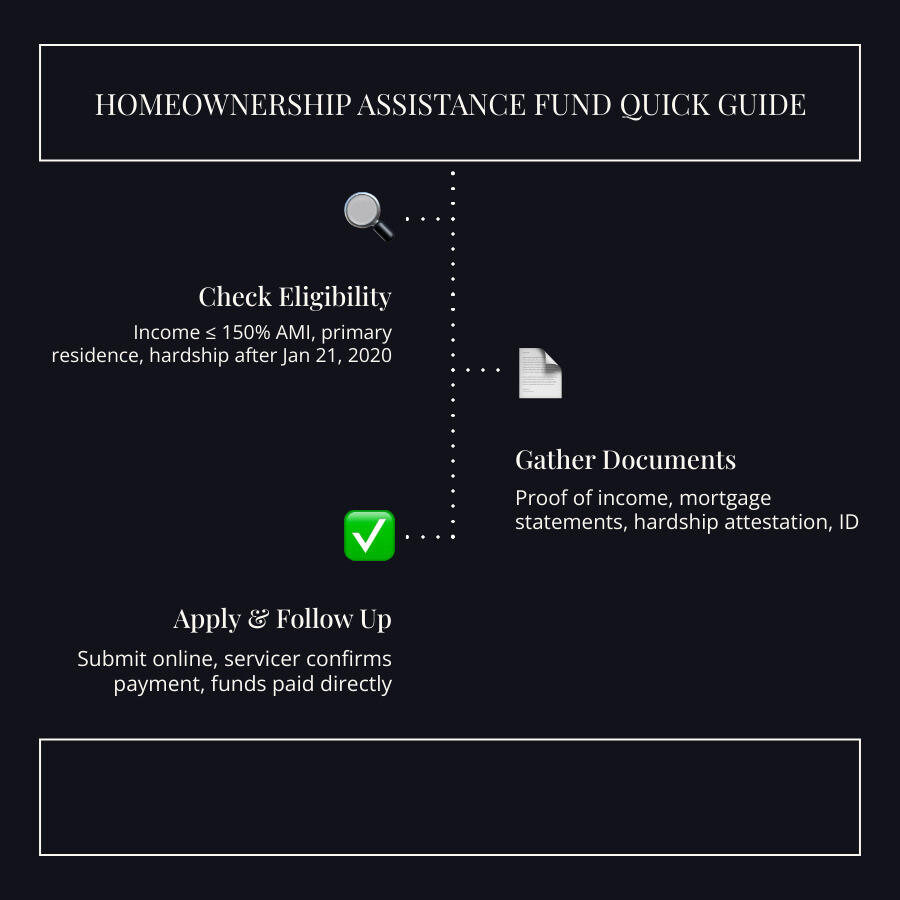
- It may cover past-due mortgage payments, property taxes, insurance, utilities, and certain housing fees.
- Eligibility commonly depends on household income, a qualifying hardship after January 21, 2020, and use of the home as a primary residence.
- Assistance is usually paid directly to a mortgage servicer, utility provider, insurer, or tax office.
- California homeowners should confirm current program availability before gathering documents or applying.
Housing stability is often the first step toward long-term goals after military service. LifeSTEPS supports California communities with housing-focused services and has helped achieve a 93% housing retention rate. Through the CalAIM program, LifeSTEPS also provides deposit assistance of 1 month paid in advance for eligible participants. Beyond housing, LifeSTEPS supports opportunity through afterschool programs, including a 97% literacy improvement for Summer Reading, and $2.1M in scholarships for higher education.
Explore more about homeownership assistance fund:
- homeownership assistance
- homeownership down payment assistance program
- first time home ownership grants
Overview of the Homeownership Assistance Fund
The federal Homeowner Assistance Fund (HAF) was created as a major lifeline for families who experienced severe financial stress during the pandemic. Authorized under Section 3206 of the American Rescue Plan Act of 2021 and codified at 15 USC 9058d: Homeowner Assistance Fund, this initiative appropriated $9.961 billion nationwide to mitigate mortgage delinquencies, defaults, foreclosures, loss of home energy services, and displacement.
Administered federally by the U.S. Department of the Treasury, funds were disbursed to all 50 states, the District of Columbia, U.S. territories, and tribal entities. Across the country, state housing finance agencies designed local initiatives—such as state mortgage relief programs—to route federal relief directly to loan servicers, tax agencies, and utility providers on behalf of qualifying homeowners.
Nationally, the program delivered almost $7.9 billion in financial relief to over 610,000 struggling households through late 2025, with state-level administrators expending nearly 95% of their total allocations. As a result, the homeownership assistance fund structure stands out as one of the most comprehensive federal housing protection efforts in American history. For families who are looking beyond emergency foreclosure prevention toward long-term home security, exploring low income homebuyer programs provides an essential roadmap for building lasting stability.
Purpose and Legal Framework
The underlying goal of the statutory guidance in 15 USC 9058d is to keep families housed by resolving qualified housing expenses that accrued due to financial hardship after January 21, 2020. The statutory framework required state and local participants to establish standardized compliance protocols, ensuring that taxpayer dollars directly resolved housing arrears rather than being disbursed directly as unmonitored cash payments.
Under federal rules, eligible entities were allowed to allocate up to 5% of their total grant award toward HUD-approved housing counseling or legal services, and up to 15% toward administrative costs. This allowed states to partner with certified counseling networks to offer financial education, loss mitigation guidance, and servicer negotiation support.
Preventing displacement through targeted housing assistance aligns directly with the core mission of LifeSTEPS. LifeSTEPS works across California—in areas like Los Angeles, San Diego, Riverside, and Irvine—to deliver meaningful community support services. By partnering with housing communities, LifeSTEPS helps residents maintain stability so they can focus on education, career growth, and financial independence.
Eligibility and Expense Coverage in California
To qualify for relief under the homeownership assistance fund guidelines, applicants must meet specific federal and state criteria. Program rules focus strictly on primary residences, ensuring that funds assist everyday families rather than real estate investors or vacation property owners.
Federal requirements mandate that homeowners demonstrate a qualified financial hardship—such as a reduction in income or a substantial increase in living expenses—that originated or continued after January 21, 2020. Additionally, applicants must satisfy income criteria defined by their local Area Median Income (AMI). For broader context on structured homebuyer resources, explore the ultimate guide to affordable homeownership programs and grants.
Qualified Expenses Covered by the Homeownership Assistance Fund
The homeownership assistance fund covers a wide variety of housing-related debts to ensure comprehensive relief for struggling families. Approved expense categories under federal guidelines include:
- Mortgage Reinstatement: Curing past-due principal and interest payments to bring delinquent loans completely current.
- Principal Reduction & Loan Terms: Funding partial principal curtailments or interest rate buy-downs to bring ongoing monthly payments into an affordable range.
- Delinquent Property Taxes: Paying overdue property taxes to eliminate tax liens and prevent tax forfeiture sales.
- Hazard and Flood Insurance Arrears: Clearing past-due homeowners, hazard, flood, or windstorm insurance premiums required by lenders.
- Homeowners Association (HOA) Fees: Paying delinquent HOA dues, condo fees, or common charge assessments that threaten property title.
- Utility & Internet Debt: Resolving delinquent electric, gas, water, wastewater, and essential internet service bills to preserve home habitability.

When homeowners resolve these pressing debts, they gain the breathing room required to stabilize their household budgets. When families face unexpected financial strain, accessing local housing resources allows them to regain solid financial ground and avoid severe housing disruption.
Income Thresholds and Household Requirements
Income eligibility for HAF relief is capped at 150% of the Area Median Income (AMI) or 100% of the median income for the United States, whichever is greater. However, the federal statute includes a mandatory targeting requirement: at least 60% of every participant’s award funds must be used to assist homeowners whose incomes are equal to or less than 100% of the Area Median Income or 100% of the U.S. median income.
| Program Mandate | Targeting Percentage / Limit | Target Household Category |
|---|---|---|
| Primary Targeting Mandate | Minimum 60% of Total Award | Income <= 100% AMI or U.S. Median Income |
| Maximum Income Cap | Up to 150% AMI | Income <= 150% AMI or U.S. Median Income |
| Counseling & Legal Cap | Maximum 5% Budget Set-Aside | HUD-Approved Housing Counseling |
| Administrative Cap | Maximum 15% Budget Set-Aside | Program Operational Administration |
State programs prioritize remaining funds for socially disadvantaged individuals who face systemic barriers to housing stability. Applications require complete household documentation, including active government identification, proof of current income for all adult household members, recent mortgage statements, tax bills, or utility notices. For households looking to transition into sustainable property ownership, reviewing a practical guide to homeownership assistance for moderate income provides key income strategies.
Application Steps and Program Deadlines
Navigating the mortgage relief application process requires careful organization and quick action. Because funding distribution operates strictly on a “first completed, first served” basis, submitting accurate documentation immediately prevents unnecessary processing delays.

Homeowners seeking assistance should visit official government portals, such as the U.S. Department of the Treasury Homeowner Assistance Fund Portal, or review resources on the Get Homeowner Assistance Fund Help | Consumer Financial Protection Bureau website.
How to Apply for the Homeownership Assistance Fund
Applying for state-administered relief involves several clear steps designed to verify identity, financial hardship, and servicer coordination:
- Online Portal Screening: Complete an initial eligibility questionnaire on your state’s designated portal to confirm household income limits and property qualification.
- Identity and Income Verification: Upload secure identification documents alongside proof of income, such as recent pay stubs, W-2 forms, tax returns, or self-attestation statements.
- Delinquency Documentation: Submit current mortgage statements, property tax delinquency notices, utility bills, or HOA assessment records showing past-due balances.
- Servicer Notification: Once an application is officially registered, notify your mortgage servicer directly. Certain federal loan guarantors require servicers to pause foreclosure proceedings for up to 60 days while a HAF application is evaluated.
- Direct Disbursement: Upon approval, grant funds are disbursed directly to your lender, tax assessor, or utility provider to clear overdue balances.
For residents in Southern California, pairing mortgage relief with regional housing opportunities can help build long-term stability. You can explore regional initiatives such as local housing commission first-time homebuyer resources or county programs listed under Down Payment Assistance Programs in Riverside. Additional structural support can be reviewed in the LifeSTEPS guide on housing authority programs your pathway to affordable homeownership.
Program Deadlines, Closeouts, and Tribal Allocations
Under federal rules, the HAF program was designed as a temporary relief measure, scheduled to conclude by September 30, 2026, or when allocated state funds are fully spent. As programs across the nation reach full disbursement, state agencies are entering administrative closeout phases, following U.S. Treasury closeout checklists to complete final reporting.
To track the operational status of programs nationwide, homeowners can consult the directory maintained by the Homeowner Assistance Fund – NCSHA.
Importantly, Section 3206 of the American Rescue Plan Act allocated $498 million specifically for Indian Tribes, Alaska Native villages, and the Department of Hawaiian Home Lands (DHHL). These tribal allocations are administered directly by tribally designated housing entities (TDHEs) to provide culturally tailored housing support, utility assistance, and mortgage relief for native homeowners on and off tribal lands.
Alternative Housing Solutions When Funding Is Depleted
As state homeownership assistance fund allocations reach complete closeout, homeowners facing unexpected financial distress must turn to sustainable, long-term housing strategies. While emergency grants offer short-term relief, permanent housing security requires structured community support, budget counseling, and access to local assistance programs.
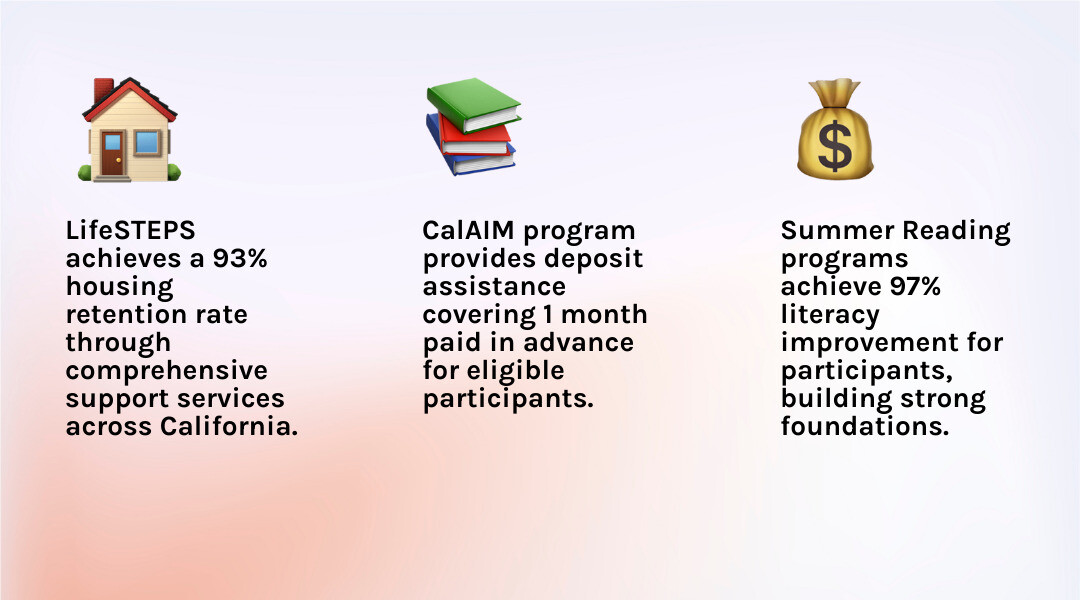
LifeSTEPS focuses on helping individuals and families establish lasting self-sufficiency through comprehensive support services:
- Exceptional Housing Retention: LifeSTEPS housing-focused support services across California have achieved a 93% housing retention rate, keeping families stably housed even during challenging transitions.
- CalAIM Deposit Assistance: Through the CalAIM program, eligible participants can receive deposit assistance covering 1 month paid in advance, easing the financial transition into secure housing.
- Summer Reading Literacy Programs: LifeSTEPS afterschool educational enrichment programs achieved a 97% literacy improvement for Summer Reading participants, laying a strong foundation for future academic success.
- Educational Scholarships: To foster long-term multi-generational success, LifeSTEPS has awarded $2.1M in scholarships to support higher education pursuits for residents in partner communities.
Homeowners seeking long-term options can also explore foundational homebuyer guides, such as the LifeSTEPS breakdown of low income first time home guide and the 2026 guide to every first home loan grant. Additionally, military families can review dedicated resources through the LifeSTEPS guide on Buying Your Castle A Guide To Veteran Home Buying Assistance. For clients participating in structured growth initiatives, the LifeSTEPS article on building a brighter future through family self-sufficiency programs illustrates how family self-sufficiency programs pave the way to lasting stability.
Frequently Asked Questions About California Mortgage Relief
Is the California assistance program still accepting applications?
Most state HAF allocations, including state mortgage relief programs, have expended the vast majority of their federal funds and closed or waitlisted new applications. Homeowners should check their state program’s portal directly to see if any remaining funds or specialized waitlists are available. If state funds are exhausted, homeowners are encouraged to connect immediately with a HUD-approved housing counseling agency for loss mitigation options.
Do homeowners have to repay grant funds?
In most cases, assistance provided through the federal Homeowner Assistance Fund is structured as a non-repayable grant. However, certain state jurisdictions established forgiving soft liens (often forgivable over a 3- to 5-year occupancy period). If a homeowner maintains the property as their primary residence during that period, the lien is fully forgiven, and the state pays the associated recording release fees. Under federal legislation, grant funds are excluded from gross income for federal tax purposes.
Where can tribal members access specialized housing support?
Tribal members can access dedicated housing relief funded through the federal $498 million tribal set-aside. These programs are managed directly by Indian Tribes, Alaska Native villages, or Tribally Designated Housing Entities (TDHEs). Resources and contact portals can be found through the National American Indian Housing Council (NAIHC) Tribal Housing Assistance Resource Hub or directly through individual tribal housing authorities.
Conclusion
The homeownership assistance fund has played a vital role in protecting over 610,000 households nationwide from foreclosure, utility disconnection, and housing displacement. While federal relief funds are winding down as programs complete their closeout phases, establishing long-term housing stability remains an achievable goal through proactive planning, community resources, and structured support.
LifeSTEPS remains committed to empowering California residents through human-centered housing services, educational support, and self-sufficiency initiatives. By achieving a 93% housing retention rate, providing CalAIM deposit assistance of 1 month paid in advance, driving a 97% literacy improvement for Summer Reading, and delivering $2.1M in scholarships for higher education, LifeSTEPS helps individuals and families build bright, secure futures across Southern California and the Bay Area.
For assistance or more information: LifeSTEPS | Phone: (916) 965-2110 | LifeSTEPS Official Website.
LifeSTEPS currently provides services in California only.


