A Practical Guide to Affordable Housing Rentals in California
How to Find Affordable Housing Rentals in California
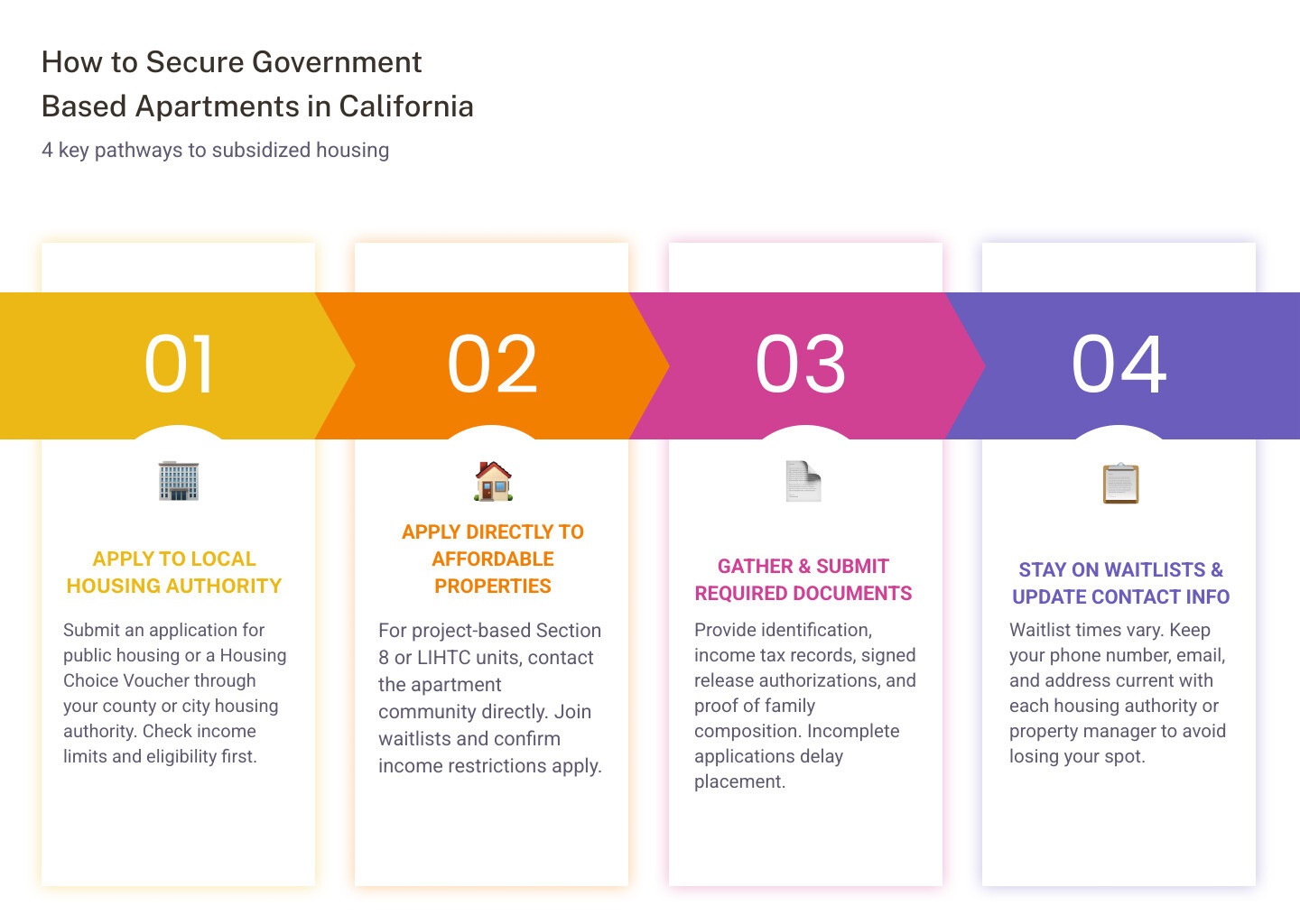
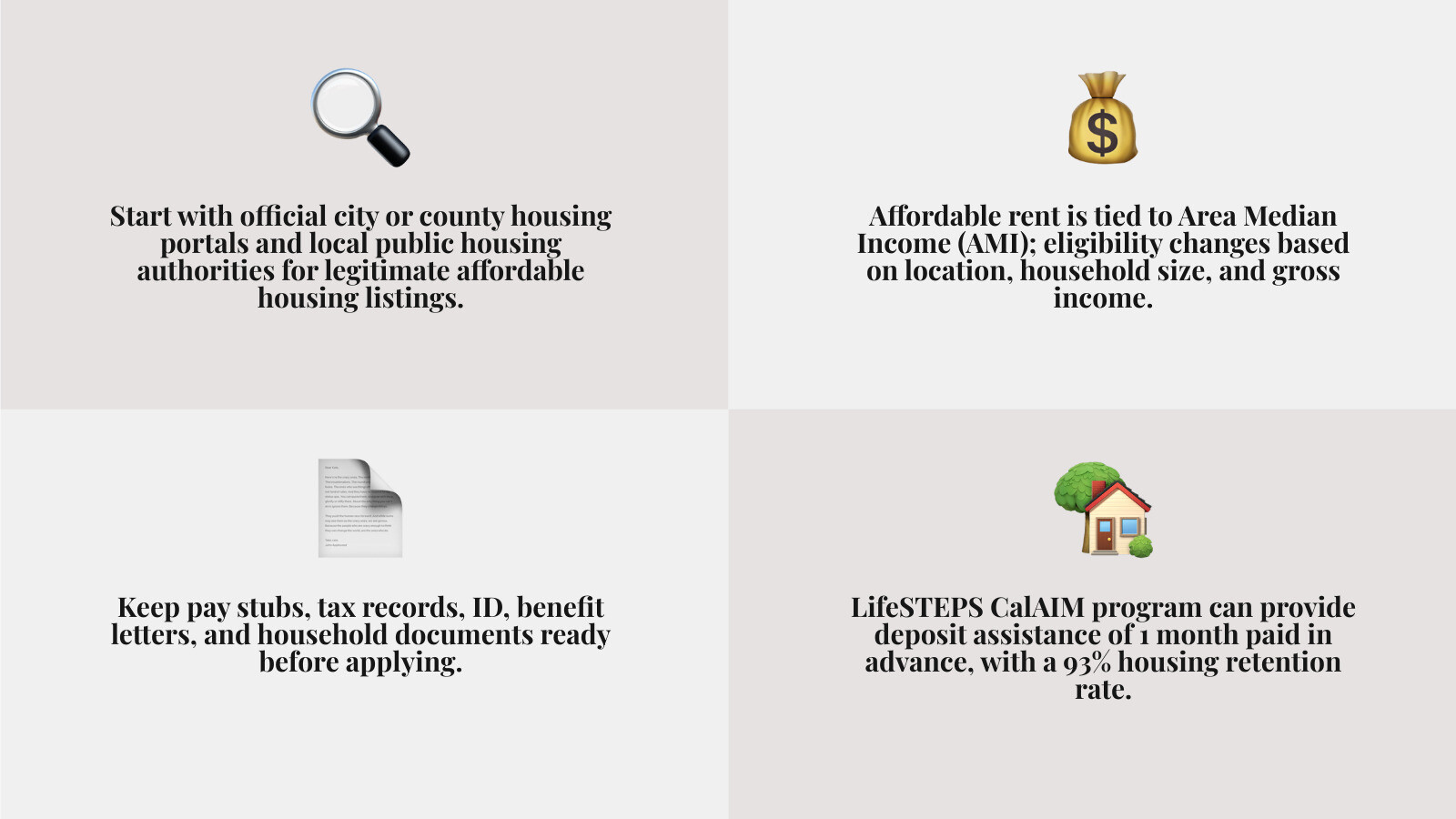
To find affordable housing rentals in California, start with official city or county housing portals, local public housing authorities, and income-restricted property listings. Check whether applications are open, confirm the income limit for your household size, and apply quickly when a lottery, waiting list, or first-come process begins. Veterans should also ask about veteran preferences, accessible units, and rental assistance options.
Affordable rent is often tied to Area Median Income (AMI), so eligibility can change based on where you live, who is in your household, and your total gross income. Keep pay stubs, tax records, identification, benefit letters, and household documents ready before applying.
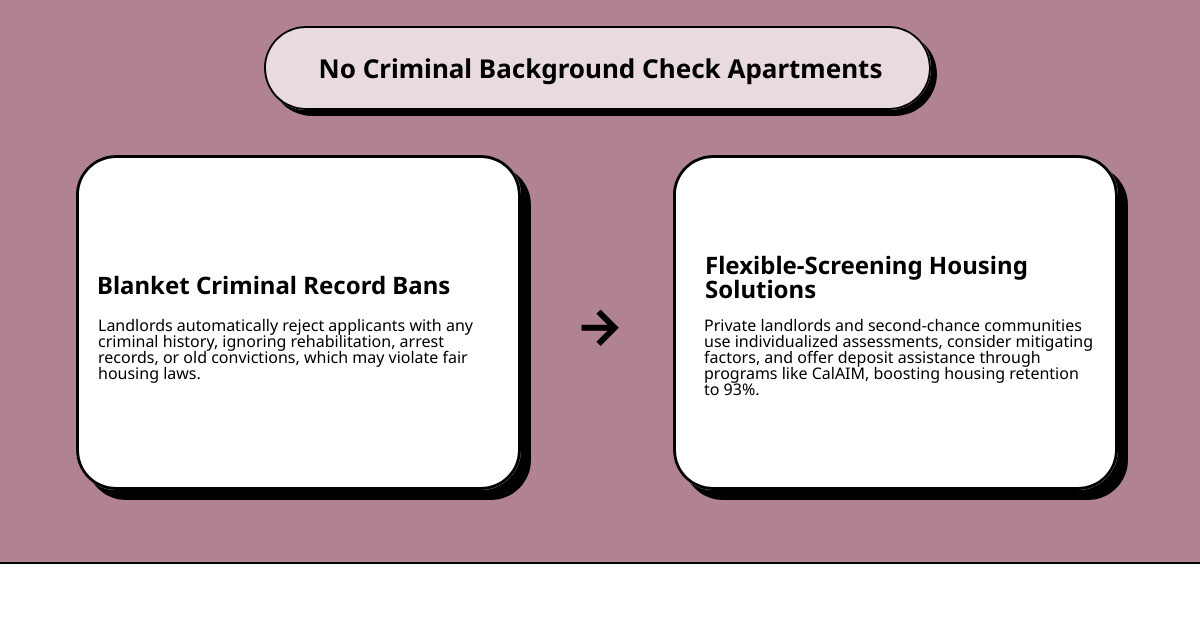
LifeSTEPS supports California residents with services that help people keep stable housing. Its CalAIM program can provide deposit assistance of 1 month paid in advance. LifeSTEPS reports a 93% housing retention rate, while its afterschool Summer Reading program has achieved a 97% literacy improvement and higher education efforts have provided $2.1M in scholarships.
Related content about affordable housing rentals:
Understanding Types of Affordable Housing Rentals in California
Finding the right home begins with understanding the different housing types available across the state. In California, subsidized and deed-restricted properties operate under various funding frameworks, including federal initiatives, state trust funds, and municipal density bonus programs. Exploring Beyond Profit: Understanding Non-Profit Affordable Housing reveals how mission-driven organizations partner with cities to build and manage stable communities rather than maximizing investor profits.
Tenant-Based Vouchers vs. Project-Based Rental Assistance
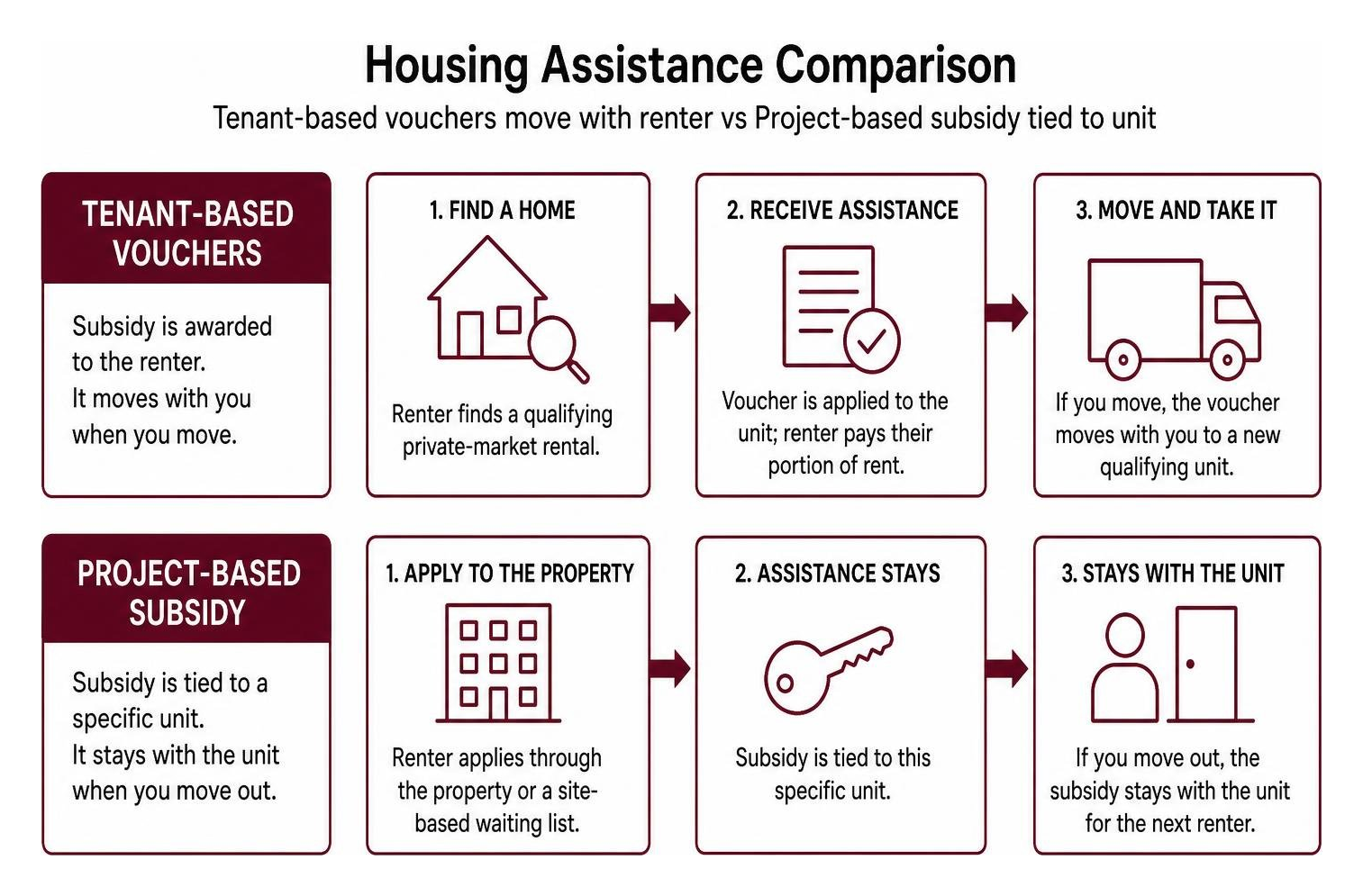
Rental assistance generally falls into two categories: tenant-based and project-based subsidies.
- Tenant-Based Vouchers: Programs like the Housing Choice Voucher (Section 8) provide assistance tied directly to you as an individual or family. When you receive a voucher from a local public housing authority, you can select any privately owned apartment that meets HUD quality and payment standards. You can Unlock Affordable Living: Section 8 Rental Opportunities and move between different neighborhoods or jurisdictions while retaining your subsidy through voucher portability rules.
- Project-Based Vouchers (PBV): In contrast, project-based assistance is tied permanently to a specific building. If you move into a unit supported by PBVs, your rent is subsidized while you live there. Learning Home Sweet Subsidized Home: How Project-Based Apartments Work helps clarify why moving out of the property means leaving that specific subsidy behind for the next qualifying applicant.
Income-Restricted and Tax Credit Housing Communities
A major portion of affordable developments in California are financed through the Low-Income Housing Tax Credit (LIHTC) program. Under this model, private developers receive federal and state tax credits in exchange for setting aside a specific percentage of apartments for lower-income households.
These Income-Restricted Rentals do not always calculate rent as exactly 30% of your personal earnings; instead, rents are capped at predetermined, below-market rates aligned with local income bands. Following A Practical Guide to Government-Based Apartments: Eligibility & Apply in CA gives applicants a clear roadmap for targeting these tax-credit developments across our communities.
Navigating Area Median Income and Eligibility Limits
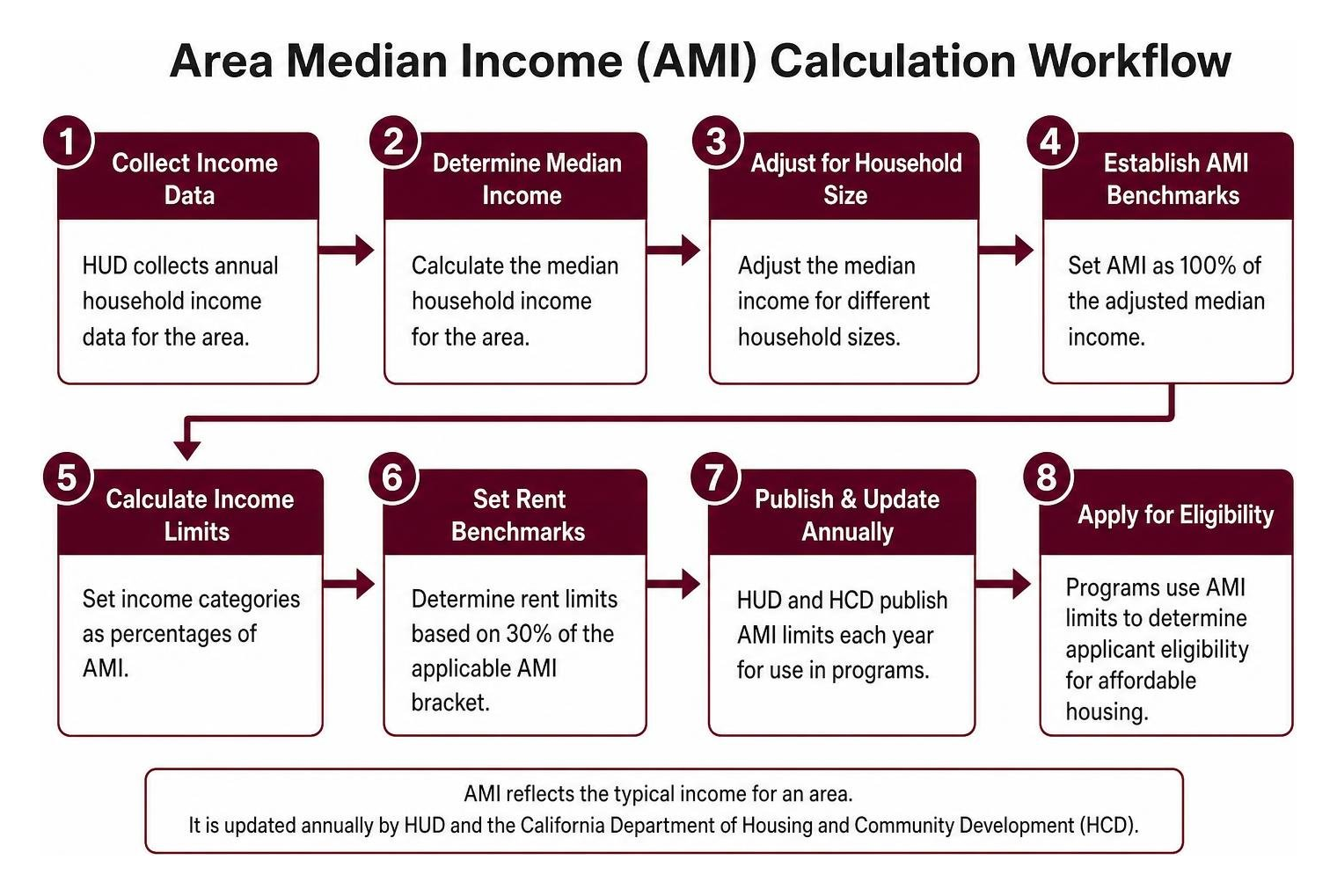
Eligibility for affordable units is determined using Area Median Income (AMI) benchmarks updated each year by the U.S. Department of Housing and Urban Development (HUD) and the California Department of Housing and Community Development (HCD).
| AMI Category | Typical Household Income Cap | Rent Calculation Basis |
|---|---|---|
| Extremely Low Income (ELI) | Up to 30% of AMI | 30% of 30% AMI bracket or fixed baseline |
| Very Low Income (VLI) | 31% to 50% of AMI | 30% of 50% AMI bracket |
| Low Income (LI) | 51% to 80% of AMI | 30% of 60% or 80% AMI bracket |
| Moderate Income | 81% to 120% of AMI | Below-market formula set by local policy |
Calculating Gross Household Income and Household Composition
When leasing agents evaluate your eligibility, they review your total gross household income before taxes and deductions. This calculation includes hourly wages, overtime, predictable bonuses, Social Security benefits, disability payments, child support, and interest derived from financial assets.
For beginner renters exploring The Best Income-Based Apartments for Beginners, understanding household composition is crucial. Everyone living in the unit is counted, although certain income sources—such as wages earned by minor children or temporary student loan proceeds—are excluded from statutory gross calculations.
Document Checklist for California Affordable Housing Rentals

Preparation is essential when applications open. Having paperwork organized avoids missed deadlines when an opening occurs. Review our guide on Section 8 Housing Rentals: What You Need to Know and How to Find Them alongside this preparation checklist:
- Valid government-issued photo identification for all adult members
- Social Security cards or acceptable verification documents
- Consecutive pay stubs (typically 3 to 6 months of recent earnings)
- Federal and state income tax returns with W-2/1099 forms from the past 1–2 years
- IRS Form 4506-C or Verification of Non-Filing for non-tax filers
- Official award letters for SSI, SSDI, pensions, or public assistance
- 6 months of complete checking and savings account bank statements
How to Search and Apply for Units Across California Cities
Navigating regional markets requires checking multiple platforms regularly. Exploring various Rental Subsidy Programs enables applicants to track municipal opportunities across Southern California and the Bay Area.
Regional Housing Dashboards in Southern California
Local governments across California maintain registries and directories to help community members track openings:
- Los Angeles: The municipal affordable housing database operated through local development departments provides direct visibility into tax-credit properties and new construction lotteries.
- San Diego: Local municipal dashboards and housing commissions monitor over 4,100 directly managed units and thousands of partner-developed affordable homes.
- Riverside and Irvine: City and county community development divisions publish up-to-date lists of deed-restricted properties, detailing contact information for property leasing offices.
Surviving the Waiting List and Housing Lottery Process
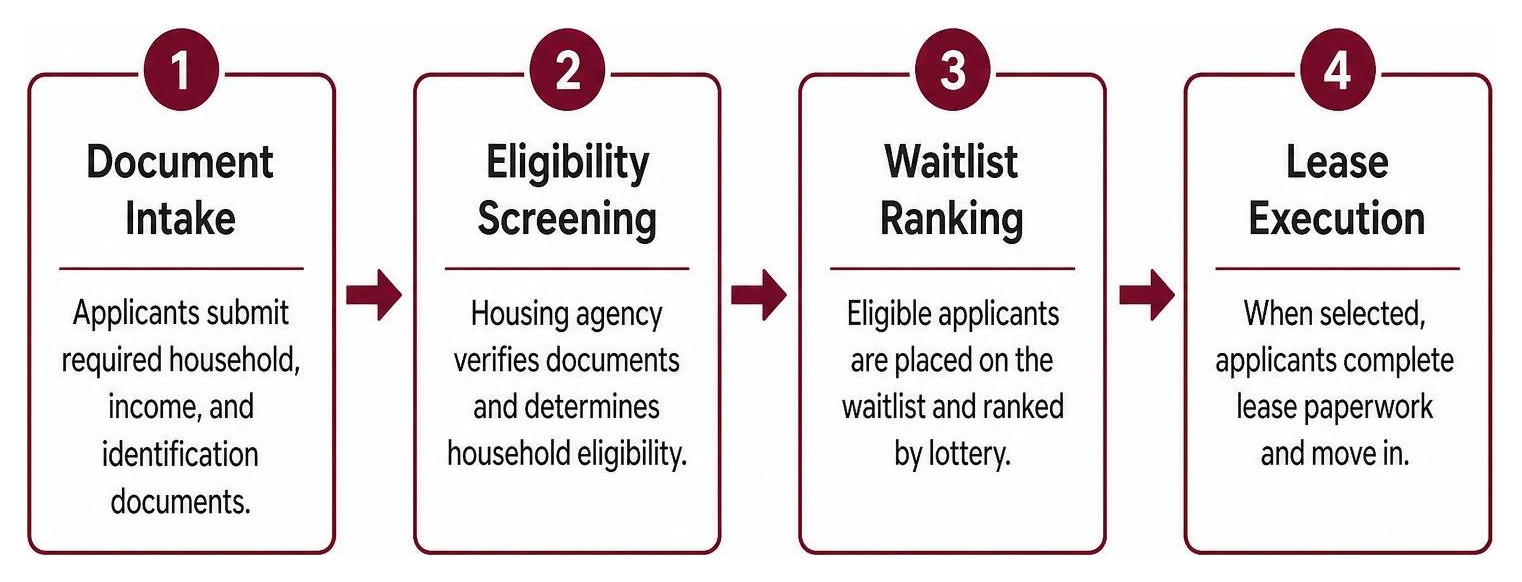
Securing a spot in a new development often involves a random housing lottery. Submitting an application during an open window places you into a lottery pool that determines the order of file reviews. Following the principles in Affordable Housing for Low-Income Families and How to Get It ensures you stay ready. When your lottery number is selected, leasing teams typically give applicants 10 to 14 business days to respond, provide updated financial documents, and attend an intake interview.
Finding Specialized Affordable Housing Rentals for Families and Veterans

Dedicated developments across California provide supportive environments for growing households and military veterans. Communities funded through Affordable Housing Initiatives frequently incorporate accessible ADA units, on-site computer centers, and play spaces. For veterans, HUD-VASH vouchers blend ongoing rental assistance with case management, offering permanent stability after service.
For example, Marcus (first name has been changed), a veteran, connected with our supportive housing network after months of housing instability. By combining a targeted voucher with on-site case management, he moved into a permanent apartment and used educational programs to gain steady civilian employment.
Move-In Costs, Tenant Protections, and Supportive Housing Services
Signing a lease on an affordable home comes with distinct protections and financial planning steps.
Handling Security Deposits, Utilities, and Lease Agreements
Initial move-in expenses often include a security deposit and the first month’s rent. Under California law, security deposits are capped, and utility allowances are deducted from maximum gross rents when tenants pay their own gas or electric bills. For qualifying individuals navigating transitions, deposit assistance through the CalAIM program can provide 1 month paid in advance to eliminate upfront financial hurdles.
On-Site Education and Resident Retention Programs
Housing stability extends far beyond four walls. Providing on-site support creates thriving neighborhoods:
- Housing Stability: LifeSTEPS achieves a 93% housing retention rate across communities served.
- Youth Education: Our afterschool Summer Reading program has delivered a 97% literacy improvement among participating youth.
- Higher Education: We have awarded $2.1M in scholarships to empower residents pursuing collegiate and vocational degrees.
Frequently Asked Questions About Affordable Rentals
How do I check my status on a California housing waitlist?
Log in regularly to the applicant portal where you submitted your materials. Always report changes in address, phone number, or email immediately to prevent missing time-sensitive notices.
What happens if my income increases after moving in?
In LIHTC and tax-credit properties, an increase in household income rarely results in immediate termination. During annual recertifications, households can generally earn up to 140% of the current qualifying AMI threshold before rent adjustments or transition plans take effect.
How do I identify and avoid rental listing scams?
Avoid listings that demand wire transfers, cash app payments, or fees before viewing a property or verifying the management company. Official affordable developments never ask for application fees exceeding actual administrative screening costs.
Conclusion
Securing an affordable home in California requires persistence, organization, and a clear understanding of state and local housing resources. By leveraging city registries, understanding AMI guidelines, and accessing community support, individuals and families can establish a foundation for long-term stability. LifeSTEPS remains committed to empowering residents across our communities with comprehensive educational and housing retention programs.
For media inquiries, contact: bex@lifestepsusa.org.
LifeSTEPS currently provides services in California only.