


Your Next Chapter: A Guide to Senior Housing and Homes for Rent
Your Next Chapter Starts Here: Finding Senior Rental Apartments in California
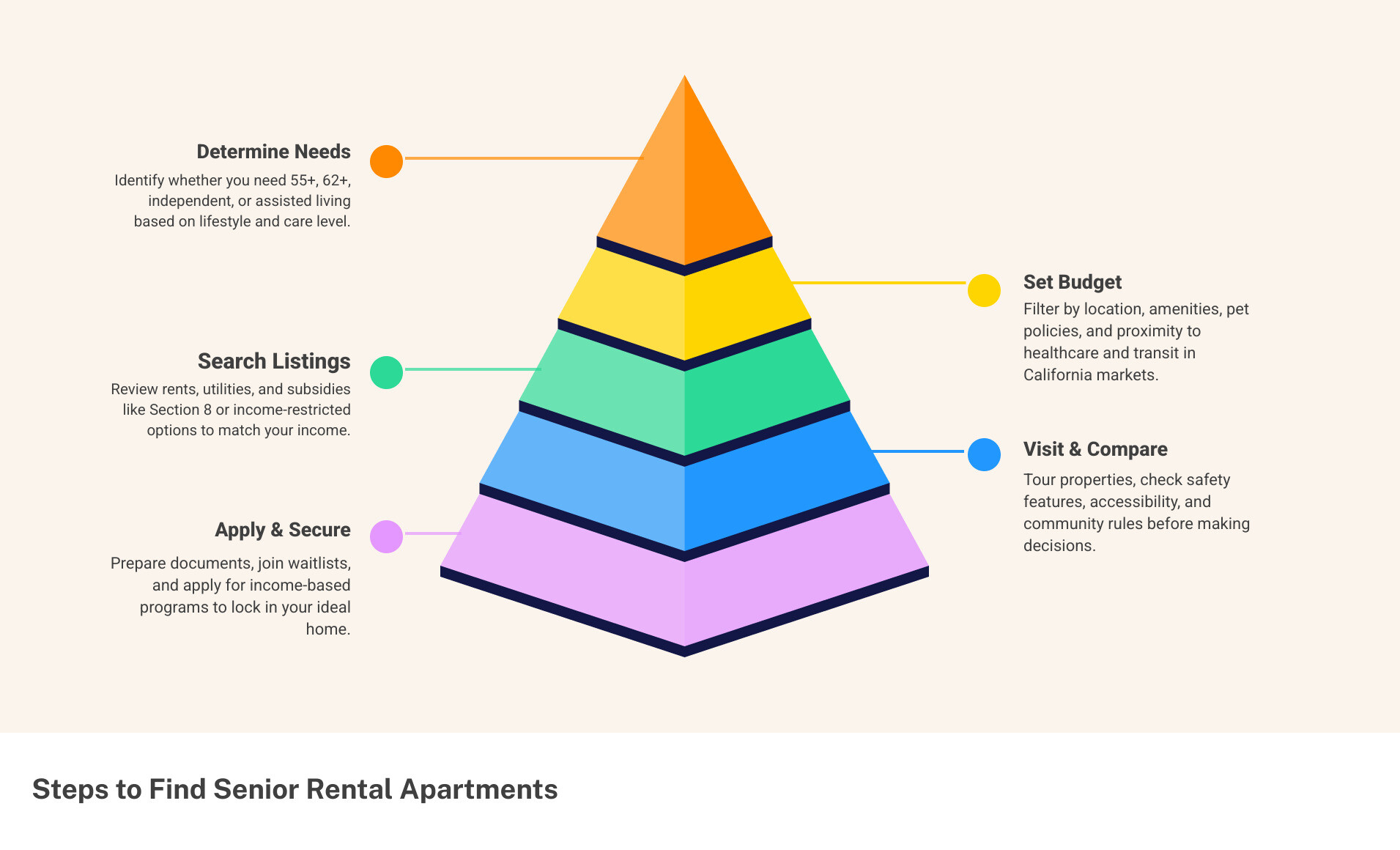
Senior rental apartments in California come in several types, each designed for a different level of independence and budget. Here’s a quick overview to help you find the right fit:
- 55+ communities — Age-restricted apartments for active adults who live independently
- 62+ communities — Stricter age requirements, often with more affordable or income-restricted options
- Independent living — Private apartments with shared amenities; no medical care provided
- Assisted living — Licensed communities with meals, daily activities, and personal care support
- Subsidized/income-restricted housing — Rent based on income, often through HUD or local housing authorities; waitlists are common
Finding the right home after a major life transition — like leaving military service — takes more than a quick search. It means understanding what type of housing fits your needs, what you can afford, and what support is available to help you stay housed long-term.
California has over a thousand senior housing options, from resort-style 55+ communities to income-restricted apartments in Southern California. Rents vary widely, and eligibility rules differ by property. Knowing where to start makes all the difference.
LifeSTEPS currently provides services in California only.
Common senior rental apartments vocab:
Navigating the Market for Senior Rental Apartments in California
The search for the perfect apartment can feel a bit like searching for a parking spot at a busy California beach—demanding, but incredibly rewarding once you secure your spot. As we look at the landscape in July 2026, the demand for dedicated senior living spaces is higher than ever. Whether you are looking to downsize, find a community of peers, or locate a home that takes the hassle out of daily maintenance, navigating California senior housing options requires a clear strategy.
When exploring the market, it helps to understand that senior living is not a one-size-fits-all solution. Different properties cater to different lifestyles, physical needs, and financial situations. Some communities focus on luxury resort-style amenities, while others prioritize deep affordability and proximity to public transit. To make an informed decision, it is highly beneficial to begin by comparing local low-income rentals and market-rate options side-by-side to see how they align with your retirement goals.
Understanding 55+ and 62+ Age-Restricted Communities
Age-restricted communities are designed to foster vibrant, peer-focused environments. The two most common designations you will encounter are 55+ and 62+ communities. While they might seem similar on the surface, they operate under slightly different legal frameworks and offer distinct lifestyles.
- 55+ Communities: These properties are tailored for active adults. They often feel like resort neighborhoods, emphasizing social clubs, fitness centers, and group outings. Under the federal Housing for Older Persons Act (HOPA), at least 80% of the occupied units must have at least one resident who is 55 or older. This leaves some flexibility for younger spouses or adult children. If you are looking for an upscale, active lifestyle, you might explore options like luxury 55+ apartments, which feature wellness facilities, community kitchens, and beautifully maintained grounds.
- 62+ Communities: These properties have stricter age requirements. Under HOPA, 100% of the residents in a 62+ community must meet the age threshold (with very few exceptions for younger spouses or live-in caregivers). Because of these stricter rules, 62+ communities are often quieter and are frequently associated with federal and state housing assistance programs.
Understanding these nuances is the first step in learning how to find 55 and older apartments that match both your social expectations and your daily routine.
Independent Living vs. Assisted Living Options
A common point of confusion for families is the difference between independent living and assisted living. Choosing the wrong one can lead to unnecessary expenses or, conversely, a lack of necessary physical support.
Independent living is all about convenience and community. Residents live in their own private apartments and are fully capable of managing their daily lives, medical needs, and personal care. The community typically handles exterior maintenance, landscaping, and security. Many independent living communities also offer communal dining options, housekeeping services, and organized social calendars, but no medical or physical care is provided on-site.
Assisted living, on the other hand, is licensed and regulated. It is designed for older adults who want to maintain some independence but need help with daily activities such as medication management, bathing, dressing, or meal preparation. These communities have trained staff available 24/7 to provide personalized care plans.
If you or your loved one do not require daily physical assistance, focusing your search on independent living will help you avoid the higher monthly fees associated with licensed care. Taking the time to research these differences is essential when finding the best senior apartment complexes in your preferred neighborhood.
Evaluating Safety, Accessibility, and Proximity to Care
When touring potential senior rental apartments, it is easy to get swept up in beautiful lobby designs or modern paint colors. However, the most critical factors for long-term comfort and safety are accessibility and location.
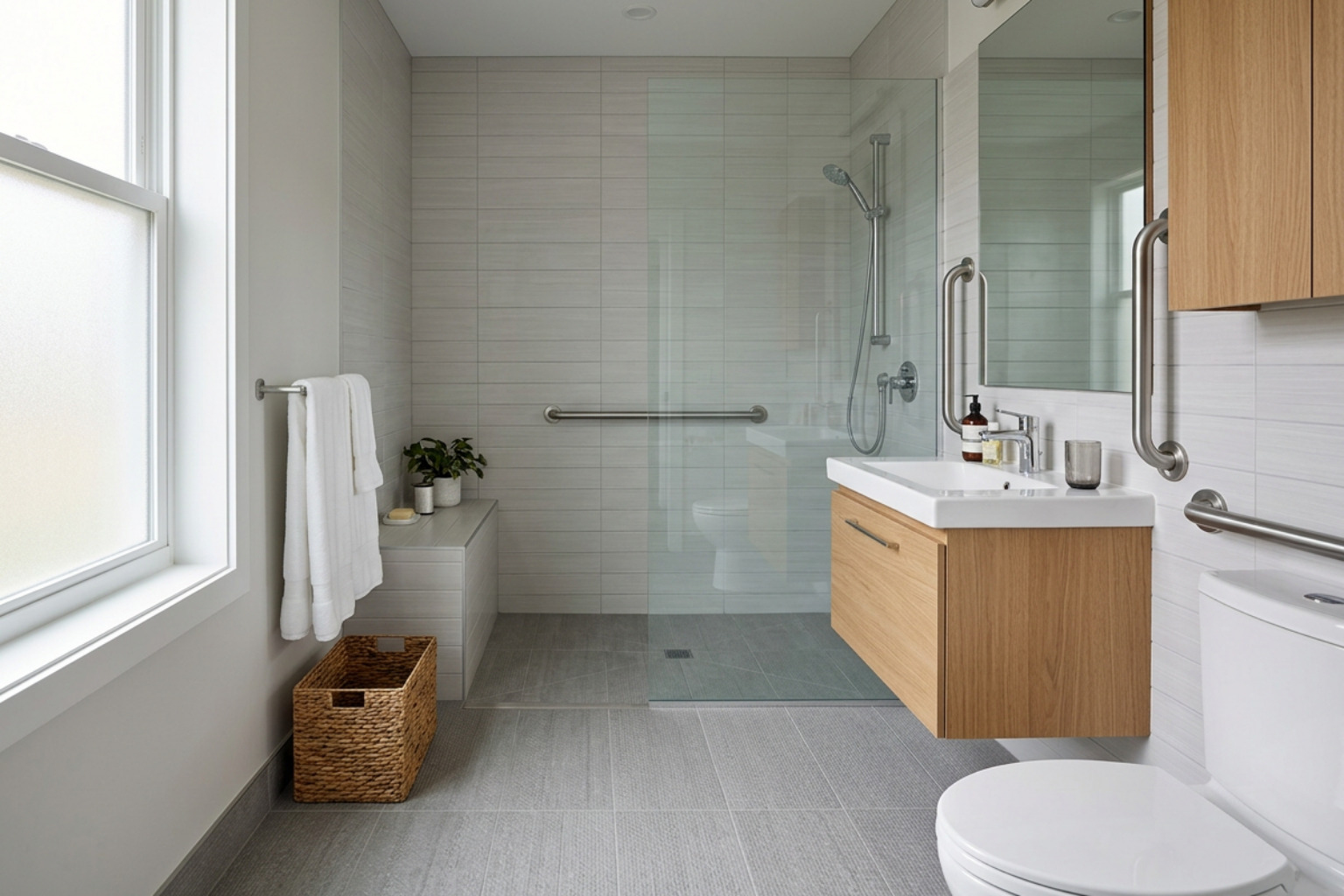
When walking through a unit, we recommend using a physical checklist to evaluate the space:
- Universal Design Features: Look for step-free entryways, wider doorways that can easily accommodate a walker or wheelchair, lever-style door handles (which are much easier on arthritic hands than round knobs), and rocker-style light switches.
- Bathroom Safety: The bathroom is the most common site for household slips and falls. Ensure the shower has a low or zero-threshold entry, slip-resistant flooring, and securely anchored grab bars. Handheld showerheads and built-in shower benches are also major pluses.
- Emergency Response Systems: Many dedicated senior communities feature pull-cords or wireless emergency buttons that instantly alert on-site management or emergency services in the event of an accident.
- Proximity to Key Services: A great apartment is only as good as its neighborhood. Evaluate how close the property is to your primary care physicians, local hospitals, grocery stores, and pharmacies. If you prefer not to drive, check if the community is near reliable public transit or if the property offers its own scheduled shuttle service for shopping and medical appointments.
Key Factors Influencing Rent and Pricing in California
It is no secret that California’s rental market can be challenging. Rent prices for senior rental apartments are influenced by several factors, including geographic location, proximity to coastal areas, the level of luxury amenities offered, and local demand.
To help you visualize the differences across some of our primary service areas in Southern California, we have compiled a comparison of typical starting rental ranges for market-rate senior apartments as of July 2026:
| Region | Average Starting Rent (1-Bedroom) | Key Pricing Drivers |
|---|---|---|
| Los Angeles CA | $1,800 – $2,900+ | High urban density, close proximity to world-class healthcare, transit access |
| San Diego CA | $1,750 – $2,800+ | Coastal desirability, high demand for active adult communities |
| Irvine CA | $2,100 – $3,200+ | Planned master communities, premium luxury amenities, high safety ratings |
| Riverside CA | $1,400 – $2,100+ | Inland location, more spacious floor plans, relatively lower cost of living |
Budgeting for Senior Rental Apartments in Southern California
When budgeting for your new home, it is important to look beyond the base rent. In highly competitive markets like Los Angeles and San Diego, prices can fluctuate based on seasonal demand and vacancy rates.
Currently, in July 2026, Los Angeles County remains under a local state of emergency regarding housing affordability, which triggers strict price-gouging protections. These laws limit how much landlords can increase rents for existing tenants during emergency periods—a crucial protection for seniors living on fixed incomes.
If you are beginning your search in these bustling metropolitan areas, utilizing localized search tools can save you hours of frustration. For example, you can explore active listings directly through platforms like Los Angeles senior living options or browse neighborhood-specific vacancies via San Diego 55+ community apartments.
Hidden Fees and Utility Costs in Senior Communities
One of the most common budget pitfalls is failing to account for “ancillary fees”—those extra charges that do not appear in the headline rent price but show up on your monthly statement. When comparing properties, always ask for a complete written schedule of fees.
- Utility Bundles: Some properties include all utilities (water, gas, trash, electricity) in the base rent, which makes monthly budgeting incredibly simple. Others charge a flat monthly utility fee, while some require you to set up individual accounts with local utility companies.
- Pet Policies and Fees: Many seniors share their homes with beloved pets. While most senior communities are pet-friendly, they often charge a non-refundable pet deposit (frequently ranging from $200 to $500) plus a monthly “pet rent” of $35 to $50 per pet. If you are looking at inland options, you can check specific pet guidelines through Riverside 55+ community living.
- Parking and Storage: Assigned carport spaces, garage rentals, or additional on-site storage lockers often carry extra monthly fees. If you plan to move to highly walkable master-planned neighborhoods, such as those found in Irvine active adult living, confirm whether parking is included in your lease agreement.
Affordable and Subsidized Housing Options for Older Adults
For seniors living on fixed incomes, such as Social Security or modest pensions, market-rate rentals may simply be out of reach. Fortunately, there are several federal, state, and local programs designed to keep housing affordable.
Navigating these programs can be complex, but starting with a comprehensive low-income senior housing guide can help demystify the process. These programs are designed to ensure that older adults do not have to choose between paying rent and buying groceries or medication. Knowing where to find low-cost senior apartments is essential to maintaining financial peace of mind.
Eligibility and Income Restrictions for Subsidized Senior Rental Apartments
Subsidized senior apartments are generally funded through the U.S. Department of Housing and Urban Development (HUD), Low-Income Housing Tax Credit (LIHTC) programs, or local housing authorities. Rent in these properties is typically capped at 30% to 40% of the household’s adjusted gross income.
To qualify for these units, applicants must meet specific income limits, which are based on the Area Median Income (AMI) of the county where the property is located:
- Extremely Low-Income: Households earning 30% or less of the AMI.
- Very Low-Income: Households earning 50% or less of the AMI.
- Low-Income: Households earning 80% or less of the AMI.
Additionally, many affordable properties accept Housing Choice Vouchers (Section 8), which allow seniors to rent privately owned apartments while paying a subsidized rate. If you are searching for properties that calculate your rent directly from your monthly earnings, we recommend looking specifically for income-based senior living apartments in your target county.
Navigating Waitlists and Application Processes
Perhaps the most challenging aspect of affordable housing is the waitlist. Because the demand for subsidized senior rental apartments far exceeds the supply, waitlists can range from several months to several years. Some waitlists open for only a few days a year before closing again.
To put yourself in the best position to secure a unit, follow this step-by-step sequence:
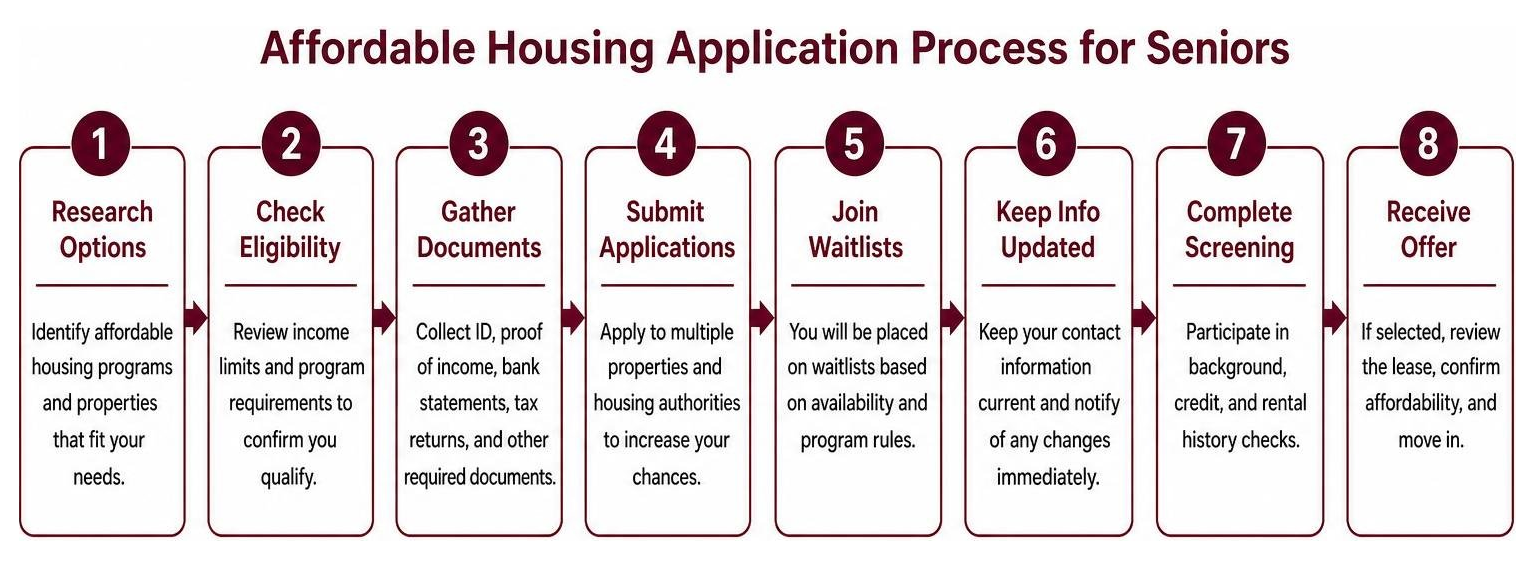
- Gather Documentation Early: You will need government-issued identification, Social Security cards, proof of income (such as Social Security benefit letters or pension statements), bank statements, and tax returns.
- Apply to Multiple Properties: Do not put all your eggs in one basket. Apply to multiple housing authorities and individual tax-credit properties to increase your chances.
- Keep Your Contact Information Updated: If a housing authority tries to contact you and your phone number or mailing address has changed, you will be removed from the waitlist. Always notify them of any changes immediately.
- Prepare for Background Checks: Landlords of subsidized properties will run credit, criminal, and rental history checks. Be prepared to explain any past issues honestly.
Frequently Asked Questions About Senior Housing
What is the difference between 55+ and 62+ senior rental apartments?
The primary difference lies in the strictness of the age requirements and the governing federal laws under HOPA. A 55+ community requires at least one person aged 55 or older to reside in 80% of the occupied units, allowing some younger residents to live on the property. A 62+ community requires all residents to be 62 or older, creating a quieter environment that is often paired with federal income-based housing subsidies.
How do income-restricted senior apartments determine rent?
In subsidized properties (such as HUD Section 202 communities), rent is calculated as a direct percentage of your household’s adjusted monthly income—typically 30%. In tax-credit (LIHTC) properties, rents are set at a flat rate based on a percentage of the Area Median Income (e.g., a unit designated for households at 50% AMI), meaning the rent remains fixed regardless of individual income fluctuations, provided you meet the initial eligibility requirements.
Are pets allowed in senior rental apartments?
Yes, most senior communities recognize the immense physical and emotional benefits of pet ownership and allow household pets (usually cats and small dogs under a certain weight limit, such as 25 to 50 pounds). Under the federal Fair Housing Act, legitimate service animals and Emotional Support Animals (ESAs) are not considered “pets” and are exempt from standard pet fees, deposits, or breed restrictions, provided you have the appropriate documentation from a licensed healthcare provider.
Conclusion: Securing Your Ideal Senior Housing Community
Finding the right senior rental apartments is about more than just finding a roof over your head; it is about finding a community where you can thrive, feel safe, and maintain your independence. At LifeSTEPS, we walk alongside older adults and families during these critical transitions. As a nonprofit organization dedicated to social services, we provide the human-centered support and resources needed to move from housing instability to long-term self-sufficiency.
Our commitment to our clients is reflected in our measurable outcomes:
- We maintain a 93% housing retention rate across our programs, helping seniors stay safely in their homes.
- We tie deposit assistance directly to the CalAIM program, helping eligible seniors cover up to 1 month paid in advance for deposit assistance to ease the financial burden of moving.
- Through our collaboration with programs like the Family Self-Sufficiency (FSS) program, we help clients, including veterans, build pathways toward financial stability and homeownership.
- We believe in building strong communities for all generations, supporting programs that have achieved a 97% literacy improvement in summer reading programs for youth, and awarding over $2.1 million in scholarships to help families achieve their educational dreams.
To begin building your roadmap today, explore our ultimate affordable senior housing list to find resources near you.
Please visit our website for more information: LifeSTEPS
LifeSTEPS currently provides services in California only.


