


How CalAIM and LifeSTEPS Help Families Secure Rental Housing Across San Diego and Riverside
Help With Rental Security Deposit: A Faster Path to Stable Housing
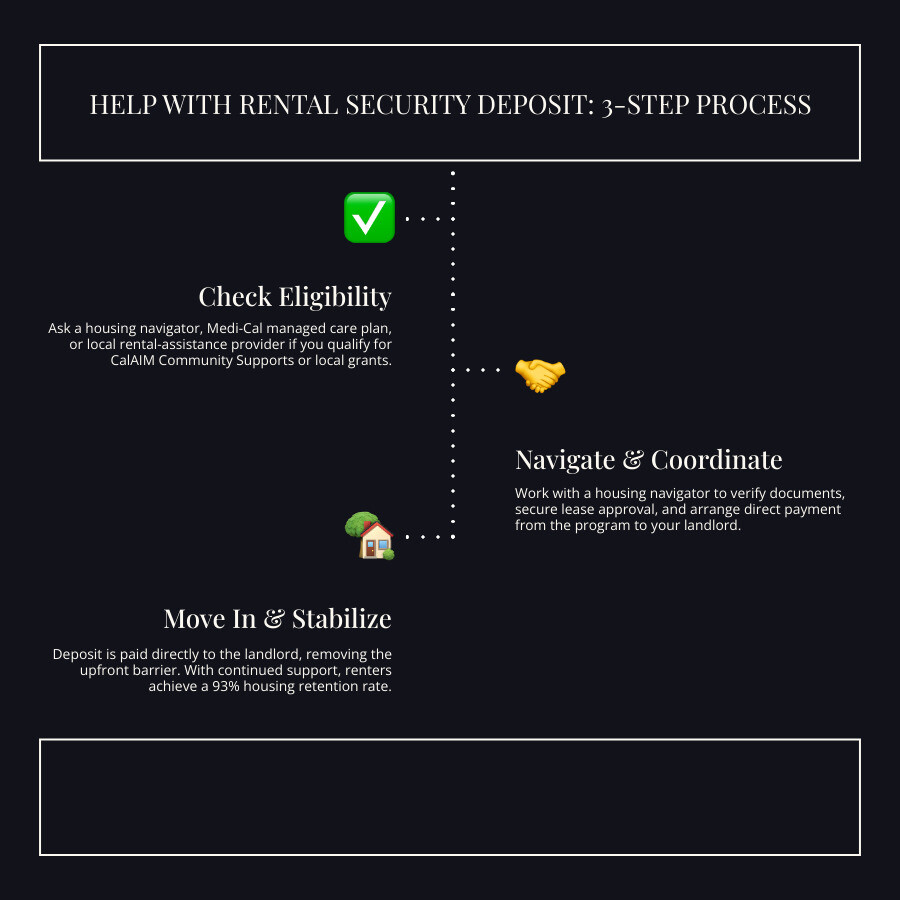
If you need help with rental security deposit costs in San Diego or Riverside, start by asking a housing navigator, Medi-Cal managed care plan, or local rental-assistance provider whether you qualify for CalAIM Community Supports. Eligible renters may receive support for a deposit, often paid directly to the landlord, so a lack of upfront cash does not stop a safe move-in. LifeSTEPS provides CalAIM-connected housing support, including up to 1 month paid in advance for deposit assistance when eligible.
For many transitioning veterans and families, obtaining emergency rental assistance funds or specialized assistance with apartment deposits is essential to bridge the gap between an approved rental and a stable home. California generally limits security deposits to one month’s rent, although limited exceptions apply to certain small landlords. Timely rental and deposit assistance reduces that hurdle while helping renters begin a lease with a clear plan for long-term stability. LifeSTEPS reports a 93% housing retention rate, reflecting the value of continued, person-centered support after move-in.
Key Programs Providing Help With Rental Security Deposit in Southern California

Finding the necessary funds to secure a home in Southern California can be challenging. Fortunately, multiple targeted initiatives exist to bridge the gap between signing a lease and paying upfront move-in expenses.
CalAIM Community Supports and Housing Tenancy Services
California’s Department of Health Care Services transformed Medi-Cal through California Advancing and Innovating Medi-Cal (CalAIM). Under CalAIM Community Supports, Medi-Cal managed care plans can offer Housing Transition Navigation and Housing Tenancy Services.
These services are designed to help individuals and families who are experiencing housing instability find, apply for, and maintain long-term housing. For qualified members, CalAIM can provide direct funding for move-in expenses—including security deposits, utility setup fees, and essential initial tenancy costs. By addressing housing needs through healthcare-connected supports and CalAIM rent deposit help in CA, LifeSTEPS helps maintain a 93% housing retention rate across our served communities.
Local Municipal Grants in San Diego and Riverside Counties
Local city and county agencies often manage emergency grants to keep residents housed or assist them when relocating to permanent homes.
- San Diego County Initiatives: Regional municipalities, such as Imperial Beach, coordinate local initiatives and grant funding to support vulnerable households facing high move-in costs. Programs like the Tenant Assistance in Imperial Beach provide structured resources for individuals needing help navigating landlord negotiations and local housing relief.
- Riverside County Initiatives: In Riverside, municipal and county-level community development departments operate relief programs designed to prevent homelessness. The Riverside CARES housing initiatives connect households with emergency funding and housing resources, helping cover move-in expenses that could otherwise delay tenancy.
Voucher and Veteran Move-In Support Programs
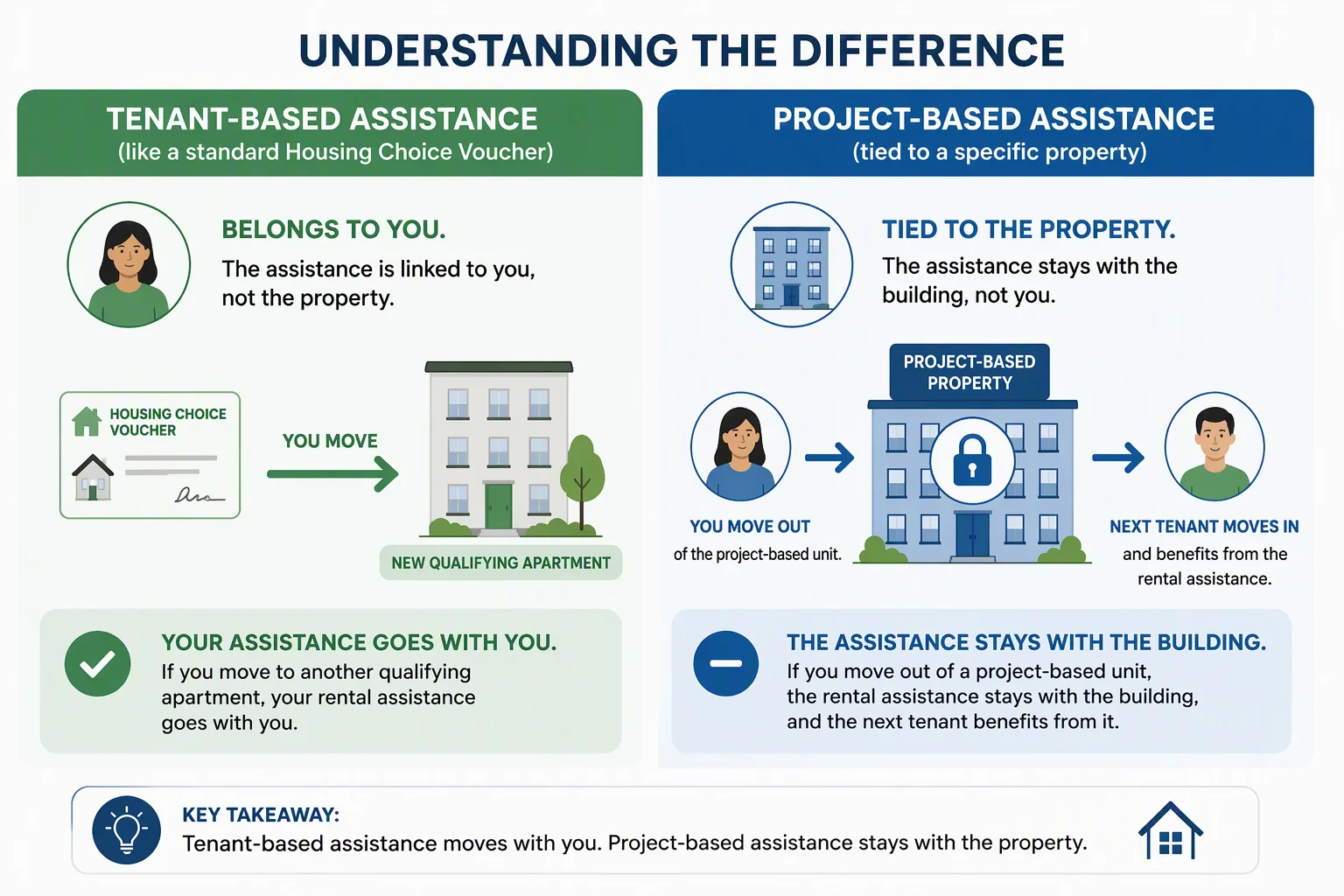
Federally backed and locally administered housing choice vouchers significantly reduce monthly rent burdens, but participants must still manage upfront move-in deposits.
- Housing Choice Vouchers (Section 8): In standard voucher scenarios, landlords can charge a security deposit up to the maximum legal contract rate, making dedicated help with deposit for Section 8 essential for families transitioning into stable homes.
- HUD-VASH for Veterans: The HUD-Veterans Affairs Supportive Housing (HUD-VASH) program combines voucher rental assistance with clinical case management. When veterans transition into permanent residences, specialized veterans deposit assistance programs and partner organizations assist with moving expenses and deposits.
Understanding California Security Deposit Limits and Tenant Rights
Understanding California security deposit laws ensures that you are treated fairly during the leasing process.
Statutory Limits and How to Request Help With Rental Security Deposit Plans
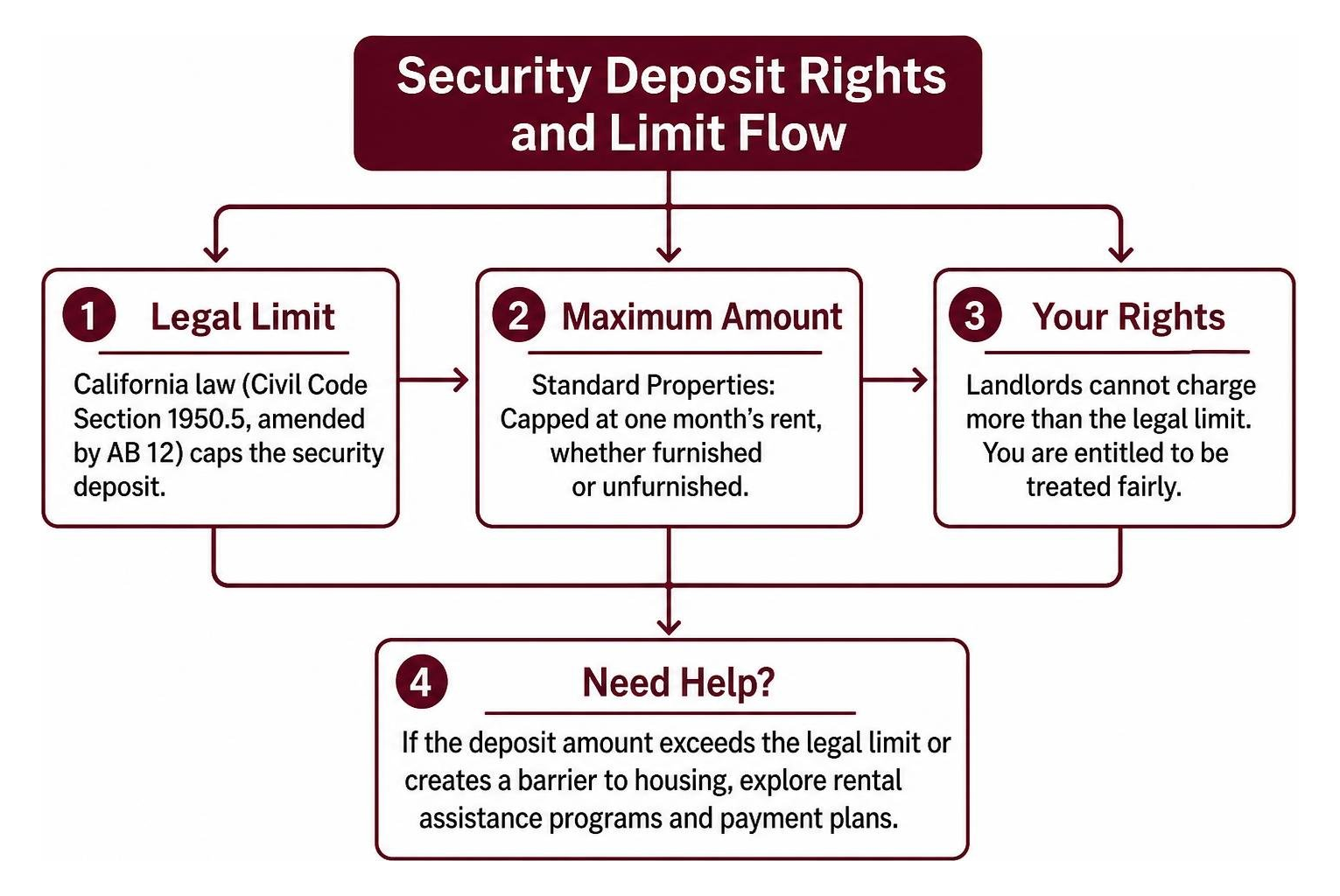
California law (Civil Code Section 1950.5, amended by AB 12) strictly caps the amount a landlord can charge for a residential security deposit:
- Standard Properties: Capped at one month’s rent, whether the apartment is furnished or unfurnished.
- Small Landlord Exception: A landlord who is an individual or natural person (or LLC where all members are natural persons) and owns no more than two residential properties totaling four or fewer rental units may charge up to two months’ rent.
- Active Military Service Members: Special protections apply to active military personnel, capping deposits to ensure relocation does not create unfair financial burdens.
If upfront payments remain difficult to assemble all at once, tenants can request a written installment plan from their property manager or use community support navigation to bridge the initial deficit.
Move-In Documentation and Inspection Protocols
The best way to protect your deposit is thorough documentation on day one:
- Complete a Written Condition Checklist: Walk through every room with the landlord and document existing marks, scuffs, or plumbing concerns. Check out the Guide to security deposits in California for official court self-help procedures.
- Take Timestamped Photos and Videos: Record high-resolution photos and video walkthroughs of appliances, walls, floors, and fixtures before moving in furniture.
- Save Correspondence in the Cloud: Keep digital copies of all inspection forms, payment receipts, and communications with your property manager.
Navigating the Application Process for Rental Move-In Assistance
Applying for move-in funding requires organization, clear documentation, and proactive communication.
Eligibility Criteria and Required Verification
Assistance programs typically evaluate applications based on specific vulnerability and income standards. When preparing to request first month rent and security deposit assistance, you will generally need to gather:
- Proof of Medi-Cal enrollment (for CalAIM Community Supports)
- Government-issued identification
- Verification of total household income (paystubs, benefit award letters)
- A signed lease agreement or an official written pre-approval letter from the property management detailing the deposit amount
Application Steps to Receive Help With Rental Security Deposit Funding
The typical path from approval to payment disbursement follows a clear sequence:
- Intake and Assessment: Connect with a housing navigator or case manager to evaluate your eligibility for CalAIM or local municipal funds.
- Document Submission: Provide the required verification records and your landlord’s contact information.
- Direct Landlord Disbursement: Most assistance programs disburse funds directly to the landlord or property management company via ACH or check, typically covering up to 1 month paid in advance for deposit assistance.
Protecting Your Deposit and Resolving Move-Out Disputes
Permissible Deductions Versus Normal Wear and Tear
Under California Civil Code 1950.5, a security deposit is the legal property of the tenant and is held in trust by the landlord. Landlords may only make deductions for valid, documented reasons. Review the Know Your Rights Security Deposits guidelines published by state authorities.
| Category | Normal Wear and Tear (Not Deductible) | Tenant Damage (Deductible) |
|---|---|---|
| Walls & Paint | Minor scuffs, small picture-hanging nail holes, faded paint from sunlight | Large holes, unapproved wall colors, major gouges in drywall |
| Flooring | Gentle carpet traffic wear, minor scuffs on hardwood | Pet stains, large carpet burns, deep water damage on wood floors |
| Fixtures & Hardware | Loose door knobs from normal use, worn faucet washers | Broken cabinet doors, cracked mirrors, smashed light fixtures |
| Cleanliness | Dust on baseboards consistent with regular tenancy | Piles of trash left behind, grease-caked ovens, mold from neglect |
If deductions exceed $125, the landlord is legally required to attach invoices, receipts, and a detailed accounting of labor costs and hours.
Return Timelines and Legal Remedies
- 21-Day Statutory Window: California landlords must return the full deposit balance, or an itemized deduction statement with receipts, within 21 calendar days after you surrender the keys.
- Pre-Move-Out Inspection: Renters have the legal right to request an initial walk-through inspection within two weeks prior to moving out. This gives you time to make repairs yourself and avoid deductions.
- Small Claims Resolution: If a landlord wrongfully withholds your deposit, you can file a claim in small claims court (for claims up to $12,500). If the court determines the landlord acted in bad faith, the tenant may be awarded their actual damages plus statutory damages of up to twice the deposit amount.
Frequently Asked Questions About Rental Deposit Assistance in California
How much can a landlord legally charge for a security deposit in California?
In California, residential security deposits are generally capped at one month’s rent. Small landlords who own no more than two properties containing a total of four or fewer rental units can charge up to two months’ rent.
What should I do if my landlord does not return my deposit within 21 days?
Send a formal written demand letter citing California Civil Code Section 1950.5. If the landlord fails to return the funds or provide an itemized list with necessary receipts, you can pursue the balance in small claims court, where statutory penalties may apply for bad-faith withholding.
Can CalAIM cover both my security deposit and first month’s rent?
Yes. Eligible Medi-Cal members participating in CalAIM Community Supports can receive assistance with housing transition expenses, including security deposit assistance and upfront move-in costs to secure permanent housing.
Conclusion
Securing stable housing is a vital step toward long-term independence. By taking advantage of CalAIM Community Supports, municipal programs, and supportive housing tenancy services, renters across Southern California can successfully overcome upfront financial hurdles. Beyond housing stability, our educational initiatives empower families, reflected in a 97% literacy improvement during Summer Reading programs and over $2.1M awarded in higher education scholarships.
Whether you need guidance navigating Medi-Cal supports or access to first month rent and security deposit assistance, proactive navigation makes all the difference in sustaining a home.
For media inquiries, contact: bex@lifestepsusa.org
LifeSTEPS currently provides services in California only.


