Tag Archive for: affordable housing

vouchers for single mothers

Single Moms’ Secret Weapon: Finding Your Perfect Home with Housing Vouchers

Vouchers for Single Mothers: Secret Weapon for 2025

Why Housing Vouchers Matter for Single Mothers Today

Vouchers for single mothers offer critical financial assistance for housing, food, and childcare. With over 80% of single-parent households led by women, many of whom live near the poverty line, these programs are a vital lifeline.

Main Types of Vouchers Available:

  • Housing Choice Vouchers (Section 8): Covers the gap between 30% of your income and market rent.
  • Emergency Housing Vouchers: Prioritizes families facing homelessness or housing instability.
  • Child Care Vouchers: Helps pay for childcare for children up to age 13.
  • SNAP (Food Assistance): Provides monthly benefits for groceries.
  • WIC: Offers nutritious food for pregnant women and children under 5.
  • TANF: Provides temporary cash assistance to help you achieve self-sufficiency.

Eligibility is typically based on household income (usually below 50-80% of your area’s median income), family size, and citizenship status. Programs are administered through your local Public Housing Authority or Department of Human Services.

Housing vouchers are more than financial aid; they are a pathway to stability. A safe, affordable home makes everything else possible—better schools for your children, opportunities for your career, and improved family health.

Infographic showing how housing vouchers work: household pays 30% of income toward rent, voucher covers the difference up to fair market rent, family chooses approved housing in private market - vouchers for single mothers infographic

Understanding the Different Vouchers for Single Mothers

diverse group of mothers and children in a community setting - vouchers for single mothers

Understanding the full range of vouchers for single mothers is key to building a secure future. These programs are designed as building blocks to support your entire family’s well-being, from housing and food to childcare and utility bills. When a mother doesn’t have to choose between paying rent and buying groceries, she can plan for a better future.

Key Housing Voucher Programs

Stable housing is the cornerstone of family well-being. Here are the primary programs:

  • Housing Choice Vouchers (Section 8): This is the nation’s largest rental assistance program. Administered by your local Public Housing Authority (PHA), it allows you to choose a home in the private market while paying about 30% of your income toward rent. The voucher covers the rest, up to a local limit. At LifeSTEPS, our programs maintain a 93% retention rate because we know stable housing is what matters most. For more guidance, visit our page on Affordable Housing for Single Moms or explore the official Housing Choice Voucher Program from HUD.
  • Emergency Housing Vouchers (EHV): For families facing immediate crises like homelessness or fleeing domestic violence, EHVs offer expedited assistance and supportive services to help you stabilize quickly.
  • Public Housing Authority (PHA): Your local PHA is your gateway to these programs. They manage applications, waitlists, and voucher distribution, tailoring federal programs to local needs.
  • Portability: A valuable feature of the Section 8 program is portability, which allows your voucher to move with you to another city or state for a new job or to be closer to family.

Essential Support Beyond Housing

A stable home is just the beginning. These programs address other critical needs:

  • Supplemental Nutrition Assistance Program (SNAP): Puts food on the table by providing monthly benefits on an EBT card for groceries. If you’re in California, learn about Food Assistance Programs in California on our site.
  • Women, Infants, and Children (WIC): Supports pregnant women and children under five with nutritious foods, education, and healthcare referrals.
  • Child Care and Development Fund (CCDF): Subsidizes childcare costs, enabling you to work or attend school knowing your children are in a safe environment.
  • Low Income Home Energy Assistance Program (LIHEAP): Helps with utility bills, offering both regular and emergency crisis assistance.
  • Temporary Assistance for Needy Families (TANF): Offers temporary cash assistance, job training, and childcare support to help families achieve self-sufficiency.

These programs work best together. At LifeSTEPS, our supportive services take a whole-person approach, connecting families to all the resources they need to thrive.

The Application Process: A Step-by-Step Guide

woman confidently using a laptop to fill out an online form - vouchers for single mothers

Applying for vouchers for single mothers can feel daunting, but breaking it down into manageable steps makes it achievable. The key is to be organized and persistent. Your local Public Housing Authority (PHA) is your primary contact for housing, while other benefits are handled by county social services.

Checking Eligibility for housing vouchers for single mothers

Before applying, confirm you meet the general requirements, which vary by program and location.

  • Income Limits: Most programs target families with incomes below 50% of the Area Median Income (AMI). PHAs must give 75% of their vouchers to families earning 30% or less of the AMI.
  • Family Size: This affects your income limit and the amount of assistance you can receive.
  • Citizenship: At least one household member must be a U.S. citizen or have eligible immigration status for most federal programs.
  • Background Checks: PHAs review criminal and rental history to ensure safe communities for all participants.
  • Waitlists: Due to high demand, waitlists for programs like Section 8 can be years long. Ask your PHA about priority placements, such as the Emergency Housing Voucher (EHV) program, if you are experiencing a crisis.

Navigating these requirements can be complex. At LifeSTEPS, we help families understand their options. Find help with the process through our Supportive Services.

Gathering Your Required Documentation

Having your documents ready will save time and reduce stress. Create an “application toolkit” with copies of the following:

Document Type Examples Purpose
Proof of Identity State ID, Driver’s License, Passport, Birth Certificate Verifies who you are
Social Security Cards For all household members Required for federal programs and income verification
Birth Certificates For all household members, especially children Verifies age and familial relationships
Proof of All Income Sources Pay stubs, W-2s, tax returns, benefit letters (TANF, Social Security, child support, unemployment), bank statements Determines your household’s total income for eligibility
Proof of Assets Bank statements, investment statements Assesses your financial resources
Proof of Residency Utility bills, lease agreement, mail with address Verifies your current living situation and location
Other Childcare expenses, medical expenses, disability verification, school enrollment letters May be needed for specific deductions or priority status

Keep physical and digital copies organized in a dedicated folder. Being prepared is a crucial step toward securing the stability these programs offer. It’s an investment in your family’s future and a door to new opportunities.

How Vouchers Create Stability and Independence

child doing homework at a desk in a clean, well-lit room - vouchers for single mothers

A housing voucher provides the stability your family needs to thrive. When basic needs are met, you can focus on moving forward instead of just surviving. The impact of vouchers for single mothers creates a cascade of positive changes.

The long-term benefits of using vouchers for single mothers

  • Housing Security: Worrying less about eviction allows you to focus on other goals. At LifeSTEPS, our rental assistance programs have a 93% retention rate, representing thousands of families who now have a stable foundation.
  • Improved Health: Stable housing reduces chronic stress, improving physical and mental well-being for you and your children.
  • Educational Success: Children in stable homes perform better in school. They have a quiet place for homework and fewer disruptions to their education, leading to higher graduation rates.
  • Financial Relief: When housing costs drop to 30% of your income, you have room to save, invest in job training, or plan for the future.
  • Safer Neighborhoods: Vouchers provide access to communities with better schools, lower crime rates, and more job opportunities.

At LifeSTEPS, we know stability is just the beginning. Our Family Self Sufficiency Program Action Plan offers financial literacy, job training, and academic support to help you build on that foundation.

From Renting to Owning Your Home

Many single mothers don’t realize that vouchers for single mothers can be a pathway to homeownership. The Section 8 Homeownership Program allows eligible families to use their voucher toward monthly mortgage payments instead of rent.

Instead of paying a landlord, the PHA pays your mortgage lender directly. You still contribute about 30% of your income, but now every payment builds equity in your home. This is a powerful tool for breaking the cycle of poverty and building generational wealth. Owning a home provides dignity, independence, and a permanent place for your family to put down roots.

The journey from renting to owning is achievable. To learn more about this transformative opportunity, Read about Buying a Home with a Section 8 Voucher. At LifeSTEPS, we believe stable housing is the launching pad for independence and homeownership.

Frequently Asked Questions about Housing Vouchers

mother and child reading a book together - vouchers for single mothers

Navigating vouchers for single mothers can bring up many questions. Here are clear, honest answers to some of the most common ones.

How long is the waiting list for a housing voucher?

Waiting times for Housing Choice Vouchers (Section 8) vary dramatically by location, often stretching from months to several years. High demand means some Public Housing Authorities (PHAs) close their waiting lists for extended periods. Contact your local PHA for a realistic estimate. While the wait can be long, getting on the list is the only way to eventually receive a voucher.

If you are in a crisis, such as experiencing homelessness or fleeing domestic violence, you may qualify for an Emergency Housing Voucher (EHV) Program. These offer expedited processing, so be sure to ask your PHA about priority placement.

Can I move to another city or state with my voucher?

Yes. The Housing Choice Voucher program includes a feature called portability, which allows you to move to a different jurisdiction. This is a game-changer if you get a job offer elsewhere or need to be closer to family. You must get approval from your current PHA, which will coordinate the transfer with the PHA in your new location. Be sure to research the policies in your new area, as rules and rent limits can differ.

What happens if my income increases?

An income increase is a positive step toward financial independence. You are required to report all income changes to your PHA. They will then recalculate your rent portion, which is typically around 30% of your adjusted income. As your income rises, your contribution will increase, and the voucher will cover less. This isn’t a penalty; it’s a sign of progress on your path to Regaining Self Sufficiency. The goal is to provide a stable foundation that empowers you to build a better future, potentially even transitioning away from assistance or toward homeownership.

Conclusion: Take the First Step Toward Your New Home

Securing vouchers for single mothers is a transformative step toward a stable, prosperous future. These programs are a hand up, empowering you to focus on your career, education, and family’s well-being. While the application process can feel overwhelming, stable housing is the foundation upon which everything else is built.

At LifeSTEPS, we see this change daily. Our wraparound support services go beyond housing. We offer financial education, career development, and academic support for your children, including a Summer Reading Program with a 97% success rate and $2.1 million in scholarships awarded. Our results are clear: families working with us maintain stable housing with a 93% retention rate.

This is how we help families move from insecurity to independence. Through our Family Self Sufficiency Program Action Plan, we partner with you to achieve milestones you may have thought were out of reach, including homeownership.

Don’t let the process deter you. Take the first step by contacting your local Public Housing Authority and gathering your documents. Your perfect home, and the stability it brings, is within reach. You are not alone on this journey.

We’re here to help you create a thriving future for your family. Learn how LifeSTEPS provides Programs and Services to build self-sufficiency.

3247 Ramos Cir, Sacramento, CA 95827 | Phone: (916) 965-0110 | https://lifestepsusa.org

Affordable senior housing list

Finding Your Next Home: A Curated List of Affordable Senior Housing

Affordable Senior Housing List: Ultimate 2025 Guide

Why Finding the Right Affordable Senior Housing Matters

Finding a reliable affordable senior housing list is crucial for older adults seeking stable, budget-friendly living options. Understanding your choices can mean the difference between years of uncertainty and a secure home.

Quick Answer: Where to Find Affordable Senior Housing Lists

  • United States: Visit HUD’s Resource Locator, search state-specific portals, or explore regional directories.
  • Canada: Check CMHC resources, provincial housing portals, or contact your local housing authority.
  • Local Help: Call 211 for immediate connection to housing resources and community services.
  • Non-Profit Directories: Organizations like LifeSTEPS maintain curated lists of affordable housing communities.

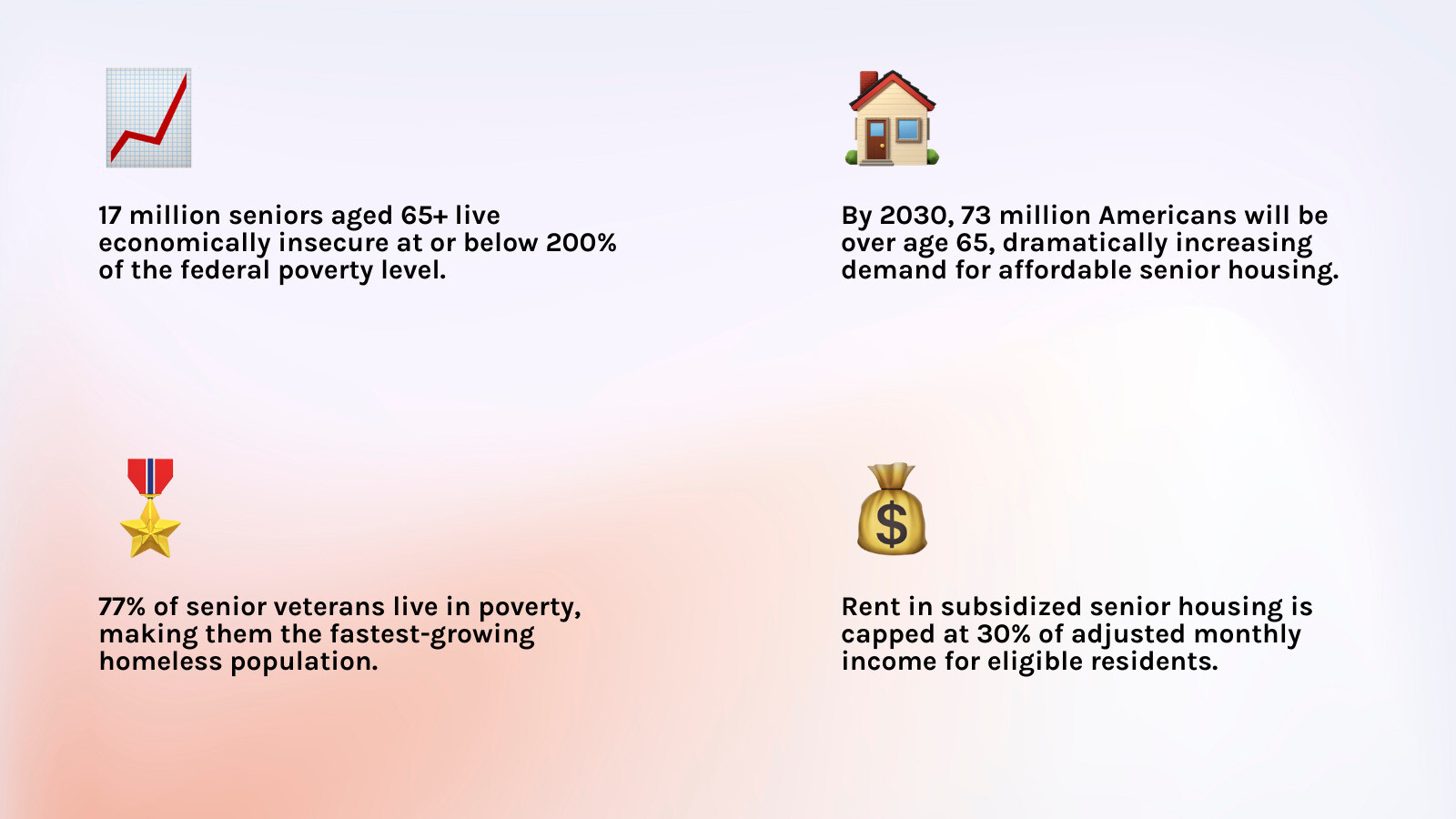
As you age, your housing needs evolve. You might require accessible features, help with daily tasks, or a community where you feel safe. The challenge is that affordable options are in high demand—in some cities, the wait for a subsidized apartment can be 15 years. While rents at affordable complexes are below market rates, eligibility and application processes vary widely.

This guide cuts through the confusion. We’ve compiled resources, eligibility criteria, and application tips to help you find housing that fits your needs and budget. You’ll learn about different types of senior housing and where to access an affordable senior housing list in your region.

For over three decades, LifeSTEPS has helped seniors find and maintain stable housing across California. Our work serving 36,000+ homes has taught us that a comprehensive affordable senior housing list is just the first step—understanding eligibility and connecting with support services are equally critical to securing your next home.

Understanding Your Senior Housing Options

Finding the right housing is about more than affordability—it’s about a place that fits your life now and can adapt to your future needs. There are many options, and understanding them is the first step to making an informed choice.

Let’s walk through the main types of senior housing you’ll find on any affordable senior housing list.

Modern, accessible exterior of a senior apartment building with a community garden - Affordable senior housing list

Seniors’ apartments and independent living communities are for active older adults (typically 55+) who manage their daily routines. These age-friendly buildings offer private units, common areas, and social activities. Crucially, many offer both market-rate and rent-geared-to-income (RGI) options, making them a cornerstone of any affordable senior housing list. With average independent living rents in California often hitting $3,500-$4,000 per month, income-based alternatives are absolutely crucial.

Retirement homes step up the support. Residents are independent but can opt for services like meal plans, housekeeping, and social activities. These are generally private-pay facilities for those 65+ who want a more supportive environment without needing medical care.

Assisted living facilities bridge the gap between independence and full nursing care when daily tasks become challenging. You’ll have an apartment-style unit, but trained staff are available for personal care and health management. While mostly private-pay, some income-qualified programs are making this option more accessible.

Long-term care facilities (nursing homes) provide 24-hour nursing and medical care for seniors with significant health needs. This is the most intensive level of care, including medical services, personal care, meals, and programming. In Canada, eligibility is often determined by a care coordinator, and government subsidies are available based on income, making it more financially accessible than many realize.

Two other options include co-operative housing, where residents own shares in the building’s corporation, and life lease housing, where you purchase the right to occupy a unit for life. Both can offer more affordable and community-focused living.

To help you compare, here’s how three common housing types stack up:

Feature Seniors’ Apartments (Independent Living) Retirement Homes Long-Term Care (Nursing Homes)
Level of Independence High: Residents live independently, manage all personal care. Moderate: Residents are largely independent but may receive help with some daily tasks. Low: Residents require significant daily assistance and 24-hour skilled nursing care.
On-site Services Minimal: May include social activities, basic maintenance. Optional: Meals, housekeeping, laundry, social activities, some personal care. Extensive: 24-hour nursing, medical care, personal care, meals, therapy, social programming.
Typical Cost Varies: Market rates or Rent-Geared-to-Income (RGI). Moderate to High: Primarily private pay. High: Often government-subsidized for eligible residents, private pay for others.
Funding Source Private (market rate) or Government/Non-profit (RGI). Primarily private. Government funding (for eligible residents) and private pay.

At LifeSTEPS, we’ve seen how the right housing choice transforms lives. Our resident services coordinators work with seniors across 36,000+ homes in California, helping them maintain housing through wraparound support like health programs and financial literacy. We know aging in place with dignity is about having the support systems to thrive.

The financial side of senior housing can feel overwhelming. You can learn more about senior housing costs and what factors influence pricing. Armed with this knowledge, you’ll be better prepared to find a home that fits your needs and budget.

Once you know your housing options, the next step is accessing them. The eligibility criteria and application process can feel complex, but understanding what’s required makes it manageable.

Friendly housing coordinator helping a senior fill out an application form - Affordable senior housing list

Most affordable senior housing list options have similar requirements, though specifics vary by location.

Age is usually the first hurdle. Requirements vary, with some communities starting at 55, while many social housing programs require you to be 60, 62, or 65. In some areas, you can update your application before your 60th birthday to get on waitlists for seniors’ buildings.

Income limits are more complex. Most affordable housing programs have strict income thresholds, typically a percentage of the region’s Area Median Income (AMI). These numbers vary significantly by location, so always check with your local housing authority.

Gather your documents early. You’ll need proof of age, income verification (tax returns, Social Security statements), bank statements, and identification. Most providers also conduct credit and background checks. Having documents organized saves time.

Many regions use centralized waitlists to manage applications fairly, like the Durham Access to Social Housing (DASH) system in Ontario. Some areas are moving to choice-based systems, allowing you to view and express interest in specific available units.

How Rent-Geared-to-Income (RGI) Programs Work

Rent-Geared-to-Income programs are the backbone of affordable senior housing. The principle is simple: your rent is based on what you can afford, not market rates.

Under an RGI program, your rent is calculated as approximately 30% of your gross household income. The government or housing provider subsidizes the rest, making housing genuinely affordable on a fixed income.

The catch is that subsidized housing is in desperately high demand. In California, waits for a one-bedroom subsidized unit in major metro areas often run 5-10+ years, and some programs close their lists for long periods. These realities underscore the importance of applying as early as possible and exploring every option on your local affordable senior housing list.

Applying and Managing the Wait

Start by finding your local housing authority. In the U.S., use HUD’s resource locator. In Canada, check your provincial system, like BC Housing. Your local 211 service can also point you in the right direction.

The application process usually involves an initial application (often online), submitting documents, and then waiting. Some providers manage their own lists, while others use centralized systems.

Keeping your information current is crucial. Housing authorities need to reach you when a unit is available. Update your application whenever your contact information, income, or housing needs change.

The wait can feel endless, but persistence and preparation make all the difference. At LifeSTEPS, we’ve walked thousands of seniors through this process. Your stable, affordable home is out there—it just takes patience to find it.

The Ultimate Affordable Senior Housing List: Resources by Region

Finding the right affordable senior housing list means focusing on your local community. While national searches provide a starting point, the best options are in local government portals, non-profit directories, and community services that know your neighborhood.

Map of California with pins indicating different housing locations - Affordable senior housing list

Finding a Local Affordable Senior Housing List in the USA

In the United States, your search begins with resources serving your specific area. The U.S. Department of Housing and Urban Development (HUD) has a resource locator to find HUD-assisted apartments and public housing agencies in your zip code. It’s a strong starting point for federally-funded programs.

After55.com is a go-to resource for income-restricted housing, with filters for location and income. For example, you can explore Low Income Senior Living in Sacramento, California with detailed listings.

State-specific resources provide relevant, up-to-date information. In Maricopa County, Arizona, the Area Agency on Aging compiles lists of affordable complexes. In New York State, the Homes and Community Renewal (HCR) agency maintains lists of senior housing developments by county.

Here in California, where LifeSTEPS serves, resources like Affordable Housing for Seniors in California offer comprehensive guidance. Organizations across the state curate lists with eligibility, rent, and application details.

Dialing 211 anywhere in the U.S. connects you to a specialist for local housing resources and application assistance.

Finding a Local Affordable Senior Housing List in Canada

Canada’s senior housing information is organized by province and territory, so local resources are best.

The Canada Mortgage and Housing Corporation (CMHC) offers national insights, but the real action is at the provincial level.

Each province and territory has a dedicated seniors’ services portal, which is the best place to find an affordable senior housing list. The Ontario Seniors Housing Guide and British Columbia’s Seniors Housing Resources are great examples. These systems understand local wait times and programs.

Whether you’re in Alberta, Manitoba, New Brunswick, Newfoundland and Labrador, Nova Scotia, Prince Edward Island, Quebec, or Saskatchewan, your provincial website is your gateway. The territories—Northwest Territories, Nunavut, and Yukon—also have specialized programs.

The key takeaway is to start local. When you connect with organizations like LifeSTEPS, you get more than a list; you get support through the entire process, from application to managing wait times.

Making Senior Housing Affordable: Costs, Subsidies, and Financial Aid

The cost of senior housing can be daunting, but you don’t have to face it alone. A range of programs exists to help seniors afford safe, comfortable housing. Costs vary dramatically by location and services, but financial aid can bridge the gap.

Piggy bank labeled "Housing Fund" with coins being added - Affordable senior housing list

Subsidized rent is a key defense against high costs. Many properties on an affordable senior housing list charge rent at about 80% of the market rate, saving you hundreds per month. Rent-Geared-to-Income (RGI) programs go further, capping rent at about 30% of your household income.

In the United States, HUD programs provide crucial support. The Department of Housing and Urban Development partners with private landlords to make housing affordable. Properties that accept Section 8 Housing Choice Vouchers dramatically expand your options. With a voucher, you pay a portion of the rent based on your income, and the Public Housing Agency pays the rest directly to the landlord. This assistance is portable, so you can choose from any participating property.

At LifeSTEPS, our 93% retention rate through rental assistance programs shows that when seniors have affordable housing and support services, they thrive. We connect residents with financial literacy and benefits navigation to help them maintain their housing long-term.

Property Tax and Utility Assistance Programs

If you own your home, several programs can help manage property taxes and utility bills on a fixed income.

Property tax deferral programs allow eligible seniors to postpone paying property taxes until the home is sold. Many municipalities, like the City of Toronto, offer this relief.

For Ontario seniors, the Ontario Senior Homeowners’ Property Tax Grant offers up to $500 annually. Low-to-moderate income seniors can claim this grant on their tax returns. Learn more at the Ontario Senior Homeowners’ Property Tax Grant page.

For utility costs, the Low-Income Energy Assistance Program (LEAP) provides one-time financial help with energy bills. Some cities also offer water and waste rebates for low-income seniors. Energy conservation programs offer rebates for efficiency upgrades, lowering your bills over time. The Ontario Energy Board assistance programs page has a comprehensive overview.

Aging in Place: Resources for Staying in Your Home

Aging in place—staying in your own home as you grow older—allows you to maintain independence, dignity, and connection to your community. It means controlling your routines and living surrounded by familiar comforts. However, your home may need updates to remain safe and accessible.

Simple modifications like installing grab bars, adding a ramp, widening doorways, and improving lighting can preserve your independence. The main challenge is often financial, but assistance programs can help.

For example, California’s Property Tax Postponement program lets eligible homeowners 62+ defer current-year property taxes on their primary residence. Many cities and counties also use CalHome or CDBG funds to offer low- or no-interest loans or grants for accessibility upgrades.

In Canada, the Home Adaptions for Seniors’ Independence Program (HASI) provides funding for First Nations seniors on reserve to make their homes safer. You can Learn more about the Home Adaptions for Seniors’ Independence Program via CMHC.

Many regions offer additional programs. The Benefits Finder is a helpful tool to see what support you might be eligible for in your area.

At LifeSTEPS, we know aging in place requires the right support system. Our whole-person approach connects seniors with resources for health, wellness, and financial literacy. Our resident services coordinators help people find the support they need to live independently.

Our award-winning RN program is a perfect example. By providing on-site nursing support, we’ve helped reduce hospitalizations, saving an average of $1.1 million annually per site while helping residents stay healthier at home. It’s about preventing health crises and providing care in a comfortable space.

Whether you’re looking at an affordable senior housing list or ways to stay in your current home, knowing your resources is key. You can find More info about supportive services for residents on our website. Aging in place doesn’t mean going it alone; it means having the right support to make your home work for you.

Conclusion: Your Path to a Stable and Fulfilling Home

Finding the right affordable senior housing list can feel overwhelming, but you are not alone. With the right information and support, you can find a home that truly works for you. This guide has covered housing types, eligibility, regional resources, and financial aid to turn an intimidating search into a manageable plan.

The most important takeaway is to start early and stay proactive. With long wait times for subsidized housing in some cities, planning ahead is essential. Keep your applications updated, explore multiple options, and don’t hesitate to reach out for help.

At LifeSTEPS, we know that a roof over your head is just the beginning. Our whole-person approach connects residents to health and wellness programs, financial literacy support, and community resources that help them thrive. Our award-winning RN program helps residents stay healthy at home, and our 93% retention rate through rental assistance shows that when people have the right support, they can build lasting stability.

We are committed to empowering seniors across our 36,000+ homes in California to live with independence and dignity. Whether you’re searching for an affordable apartment, exploring rent-geared-to-income options, or looking for help with home modifications, we’re here to support you on your housing journey.

We invite you to Learn more about our approach to low-income elderly housing.

LifeSTEPS, 3247 Ramos Cir, Sacramento, CA 95827 | Phone: (916) 965-0110 | https://lifestepsusa.org

help finding low income housing

Navigating the Maze to Affordable Housing Near You

Help finding low income housing: Unlock 2025 Stability

Breaking Through Housing Barriers: Your First Step to Stability

Finding help finding low income housing can feel overwhelming, but clear paths exist. Here’s what you need to know:

Immediate Steps to Take:

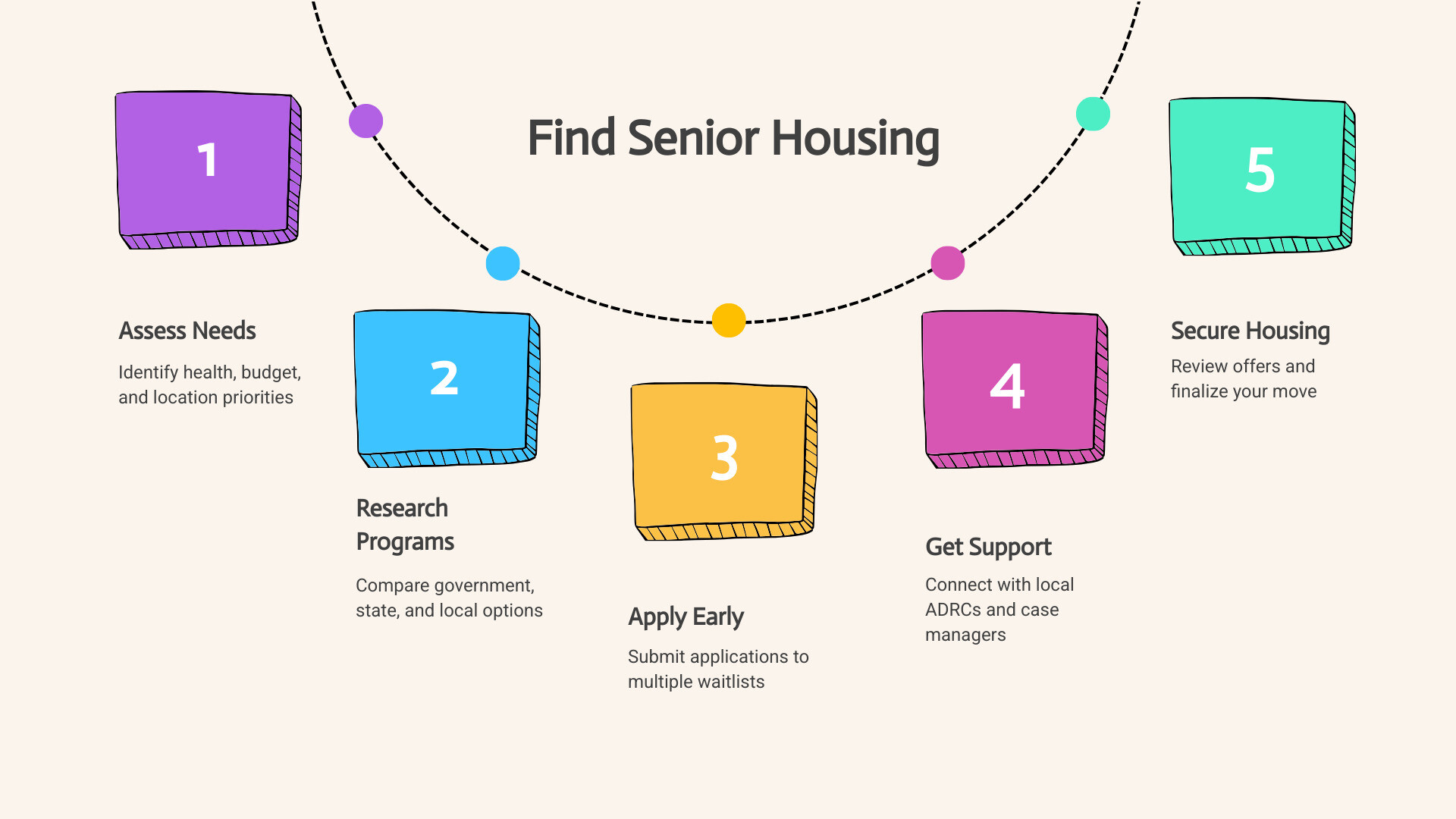
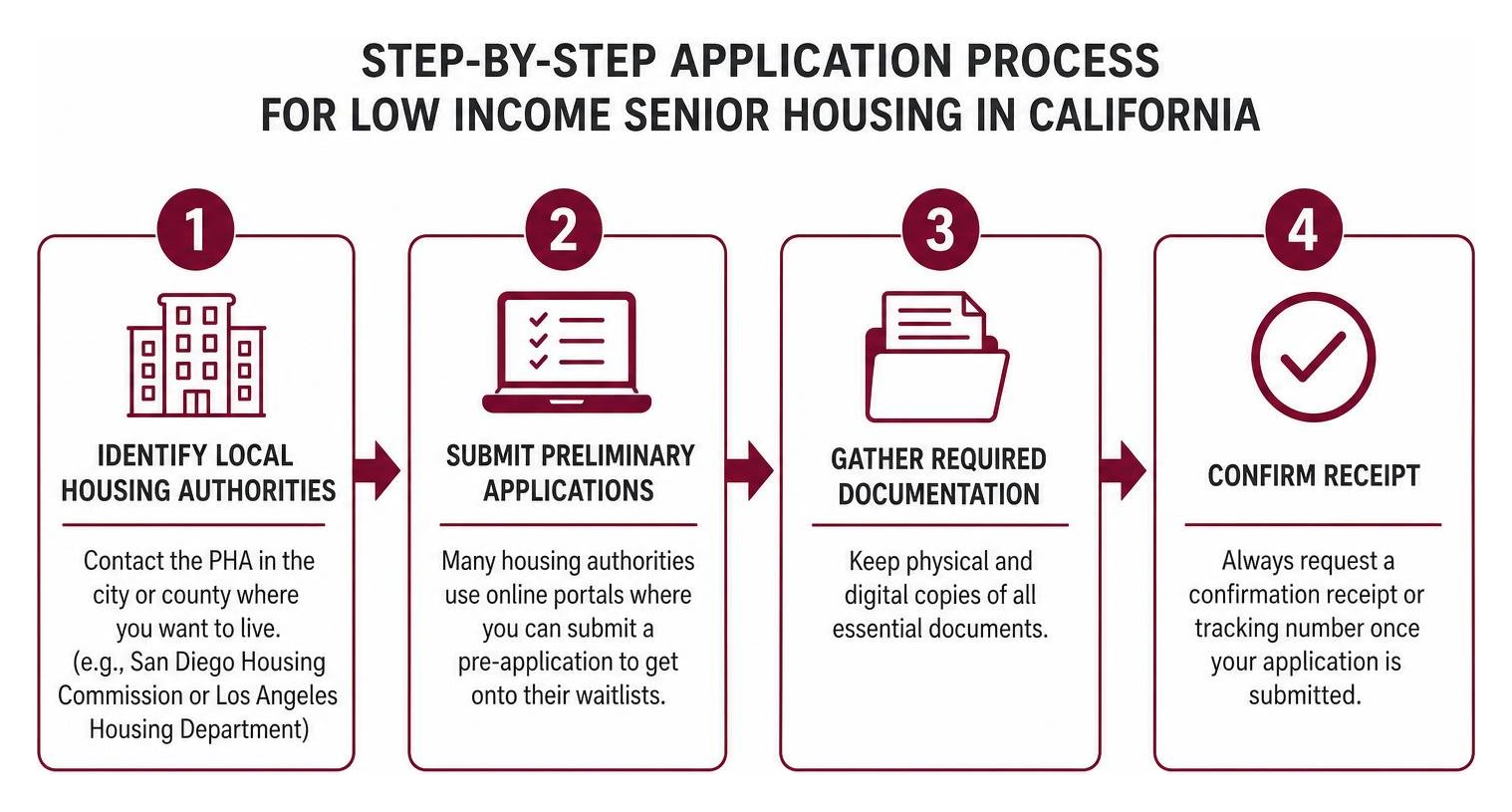
  1. Contact your local Public Housing Authority (PHA) – They manage public housing and Section 8 vouchers.
  2. Apply to multiple programs – Don’t limit yourself to one option.
  3. Get on waiting lists early – Some have wait times of months to years.
  4. Gather required documents – Income proof, ID, and Social Security numbers for all household members.
  5. Check for emergency assistance – Local nonprofits may offer immediate help.

Main Housing Options Available:

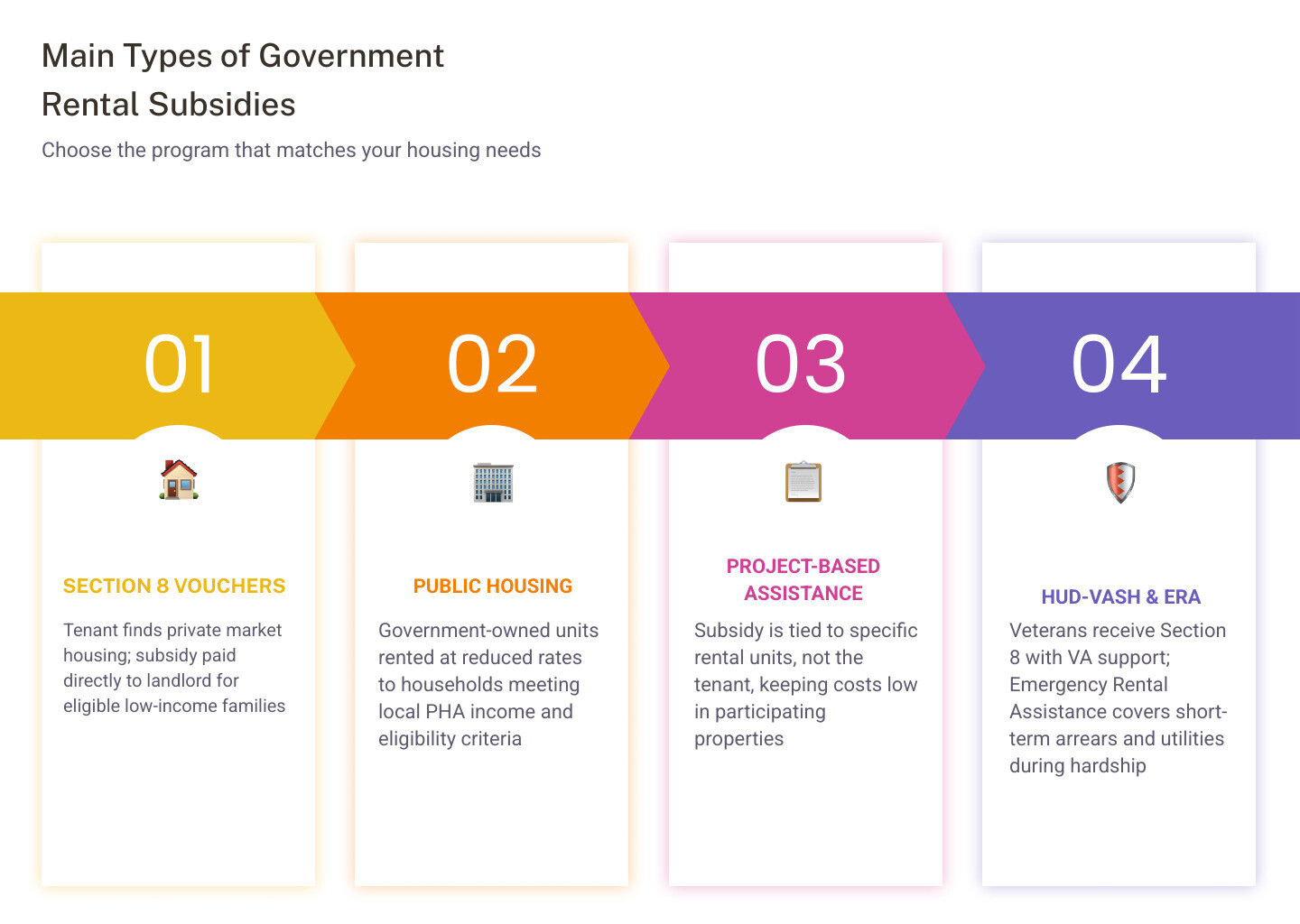
  • Public Housing – Government-owned apartments with rent based on 25-30% of your income.
  • Section 8 Housing Choice Vouchers – Rental assistance you can use with private landlords.
  • Low-Income Housing Tax Credit (LIHTC) properties – Private apartments with below-market rent.
  • Nonprofit housing programs – Community-based affordable housing with support services.

Subsidized housing programs provide real relief by capping rent at around 25% of a household’s income. However, demand far exceeds supply, and waiting lists for the thousands of available units can be extensive.

With over three decades in social services and affordable housing, I’ve seen the challenges firsthand. At LifeSTEPS, we’ve helped thousands of residents steer the complex process to help finding low income housing and achieve long-term stability.

Infographic showing low-income housing application process with steps from document gathering through lease signing, including average wait times by program type and income eligibility requirements for different household sizes - help finding low income housing infographic step-infographic-4-steps

Learn more about help finding low income housing:

Understanding Your Low-Income Housing Options

When searching for help finding low income housing, you’ll find several programs designed to make housing affordable. Each offers a different path to stability. Having multiple options allows you to find the best fit for your family, whether you need flexibility in location or built-in community support. Let’s review your main options.

Public Housing Authorities (PHAs)

Public housing consists of apartment communities owned and managed by your local Public Housing Authority (PHA). These communities are specifically designed to provide affordable housing.

Rent is typically calculated at 25-30% of your household’s adjusted gross income. For example, a family earning $2,000 per month might pay around $500-600. This predictable structure helps with budgeting.

These communities are in fixed locations, which means you’ll know where you’ll be living. Many families appreciate this stability for consistent schools and reliable transportation to work.

The Housing Choice Voucher Program (Section 8)

The Housing Choice Voucher Program (Section 8) offers more flexibility. Instead of living in a government-owned building, you receive tenant-based rental assistance to use with private landlords, giving you more freedom to choose where you live.

Once you receive a voucher, you can find a rental where the landlord accepts the program. You pay 25-30% of your income toward rent, and the voucher covers the rest.

One of the biggest advantages of Section 8 vouchers is their portability. If you need to move to a different city or state, your voucher can often move with you. This flexibility has been life-changing for many families.

Some Section 8 programs even offer pathways beyond renting. If homeownership is a long-term goal, you might be interested in learning More info about Section 8 Homeownership.

Here’s a quick comparison to help you understand the key differences:

Feature Public Housing (PHA-owned unit) Section 8 Vouchers (tenant finds private rental)
Housing Type Specific apartment complexes owned by PHA Private market rentals
Location Fixed, within PHA-managed properties Tenant chooses, portable subsidy
Management Managed directly by the PHA Landlord is private, PHA pays portion of rent
Rent Calculation Typically 25-30% of adjusted income Typically 25-30% of adjusted income
Flexibility Less flexible More flexible, can move states

Other Affordable Housing Programs

Beyond public housing and Section 8, several other programs can provide help finding low income housing.

Low-Income Housing Tax Credit (LIHTC) properties are privately owned apartment communities that receive tax credits for offering affordable units. Rent is set below market rate, often based on your area’s median income. These properties often offer high-quality amenities and are well-maintained.

Non-profit housing organizations like LifeSTEPS develop and manage affordable housing with a focus on wraparound support services. These communities often serve specific populations and provide additional resources like financial literacy programs, health services, and educational support. Our approach recognizes that stable housing is just the foundation for long-term self-sufficiency.

Through our comprehensive Community Housing Assistance programs, we’ve seen how this whole-person approach makes a real difference. Our 93% housing retention rate proves that combining affordable housing with supportive services leads to long-term stability.

Rent supplement programs in some areas allow you to live in private market housing while paying income-based rent. The government pays the difference between what you can afford and the market rent.

When you’re ready to start your search, cast a wide net. Online resources can help you find Housing Voucher Apartments Near Me and explore Other Affordable Housing Resources in your area.

Many families apply to multiple programs simultaneously to increase their chances of finding housing quickly. Each program has its own waiting list, so applying broadly is often the smartest strategy.

Your Step-by-Step Guide to Applying for Help Finding Low Income Housing

Securing help finding low income housing doesn’t have to be overwhelming. With clear steps and preparation, you can steer the process. At LifeSTEPS, we’ve learned that success often comes down to being organized and patient.

A person organizing documents like pay stubs and identification at a desk - help finding low income housing

Step 1: Gathering Your Essential Documents

Before applying, gather your paperwork. This step is foundational for success, as housing authorities must verify all information. Missing documents can cause significant delays.

Start by creating a folder for all your housing documents. You’ll need proof of identity for everyone in your household, such as government-issued ID for adults and birth certificates for everyone. If you’re a permanent resident, keep your permanent resident card handy.

Next is proof of income, the most important piece of the puzzle. This includes recent pay stubs, Social Security benefits, disability payments, unemployment benefits, or child support. A helpful tip: as of February 2023, child support payments for childcare can be excluded from rent calculations up to $500 per month per child. This increase from $350 can significantly lower your monthly housing costs.

Your proof of assets completes the financial picture. Bank statements, investment accounts, or other significant assets need to be documented. Don’t worry if you don’t have much; they just need a complete picture.

You’ll also need Social Security numbers for everyone in your household and documents proving citizenship or legal resident status. Finally, gather lease agreements or address verification from the past few years to show your housing history.

The golden rule: make copies of everything you submit and keep the originals safe.

Step 2: Finding and Submitting Your Application

Now it’s time to apply for housing assistance. Your local Public Housing Authority (PHA) is your main gateway to both public housing and Section 8 vouchers. You can find your local office with a quick internet search for “[your city] housing authority.”

The HUD website is another fantastic resource, with state-by-state directories and helpful information. For California residents, the California HUD page is particularly useful for finding local contacts and state-specific programs.

Websites like Low Income Apartments and Affordable Housing have databases with thousands of apartment communities. You can search by location, income level, and specific needs like accessibility or pet-friendly policies.

Don’t overlook applying directly to apartment communities. Many LIHTC properties and nonprofit-managed housing accept applications independently, which can sometimes lead to shorter wait times.

A person using a laptop to fill out an online housing application - help finding low income housing

When filling out applications, take your time. Double-check every section and write “N/A” for anything that doesn’t apply. If you have questions, call the housing office directly. Most staff are helpful and want to see you succeed.

Step 3: The Waiting Game: What Happens After You Apply?

After you apply, the test of patience begins. Most housing offices will review your application within 7 to 14 business days to verify your eligibility. If you meet the requirements, you’ll be placed on a waiting list.

Waiting lists are often long, with waits lasting months or even years. Even organizations managing thousands of units have extensive lists due to high demand.

However, you can check your status regularly, usually online or by phone. Positions typically update monthly. Don’t stress if your number doesn’t move much at first; that’s normal.

During the wait, annual application renewal is critical. Mark your calendar to remember this deadline. Failing to renew can get you removed from the list, forcing you to start over.

You must also report any changes in your address, phone number, income, or household composition. These updates keep your file accurate and ensure you don’t miss opportunities.

If you qualify for priority groups—like veterans, individuals experiencing homelessness, or victims of domestic violence—make sure it’s noted in your application. These designations can significantly reduce your wait time.

When your name reaches the top and a unit becomes available, you’ll get an offer of accommodation. You typically have about seven days to respond. Turning down an offer without a valid reason might affect your status, so consider each opportunity carefully.

This waiting period is tough, but thousands of people successfully steer this process every year. At LifeSTEPS, we’ve seen how Finding Stability Through Permanent Supportive Housing transforms lives, and our 93% housing retention rate shows that this patience and persistence pay off.

Specialized Housing Programs and Tenant Information

When seeking help finding low income housing, know that specialized programs exist for unique circumstances. Whether you’re a senior, a veteran, or a single mother, these targeted programs can help you find the right home.

A senior couple comfortably sitting in their living room - help finding low income housing

Help finding low income housing for Seniors and Individuals with Disabilities

Seniors and individuals with disabilities have specific housing needs, including fixed incomes and accessibility. Federal programs recognize these challenges and offer targeted support.

Section 202 Supportive Housing for the Elderly is a HUD program that goes beyond affordable rent. Non-profits develop housing for very low-income seniors, where residents pay only 30% of their adjusted income. These communities often include accessibility features like ramps and grab bars, plus aging in place services to help you maintain independence.

For individuals with disabilities, Section 811 Supportive Housing operates similarly. This program helps create housing where adults with disabilities can live independently, with units designed for accessibility from the start.

Many local housing authorities also prioritize these populations. Some specialized residences even include services like daily meals, recreational activities, and utilities in the rent, creating true communities where residents can thrive.

At LifeSTEPS, our award-winning RN program for seniors has reduced hospitalizations and saves $1.1 million annually per site, proving that the right support helps people age with dignity.

Find more information about Low Income Housing for Elderly and Disabled and explore Affordable Homes for Disabled Adults to see what options might work for you.

Help finding low income housing for Veterans and Single Mothers

Veterans and single mothers face unique housing challenges, and specialized programs exist to address their needs with respect and support.

The HUD-VASH program combines Housing Choice Vouchers with case management and clinical services from the Department of Veterans Affairs. This program provides comprehensive support to help veterans transition from homelessness to stable housing. Organizations place nearly 1,000 veterans in permanent housing each year, providing the foundation they need to move forward.

Veterans often need more than a roof over their heads; they need connections to services and pathways to long-term stability. Learn more about Apartments for Homeless Veterans to explore available resources.

Single mothers often need housing that works for their entire family on a limited income. Many affordable housing programs prioritize families, offering larger units and family-oriented communities with on-site resources like after-school programs or childcare support. These communities understand that nearby services are essential when raising children alone.

The best programs for single mothers include educational support and community resources designed to help families thrive. Find more about Low Income Housing for Single Moms to see what support is available.

Understanding Your Rent and Tenant Responsibilities

Once you secure subsidized housing, understanding how it works will help you maintain it. The system is fair but requires your participation.

Rent calculation in most programs is straightforward: you’ll pay approximately 30% of your adjusted income. The key is “adjusted” income, meaning certain expenses are deducted before rent is calculated. Qualifying deductions like medical expenses or child support payments can lower your rent. Your rent changes with your income, so reporting is crucial.

Your lease agreement is similar to a standard lease but includes additional rules for subsidized housing. Read it carefully, as it covers rules about reporting income changes and maintaining your unit.

Reporting income changes is a requirement. You must promptly report any change in household income or composition to your housing authority. This keeps your rent accurate and ensures you remain eligible for assistance. Failure to report can lead to back rent or loss of assistance.

As a tenant, you’re responsible for property maintenance beyond normal wear and tear. Keep your unit clean, report issues promptly, and respect the property.

The Fair Housing Act protects you from discrimination based on race, color, religion, sex, national origin, familial status, and disability. If you believe you’ve been discriminated against, you can file a complaint. April is National Fair Housing Month is an annual reminder of these important rights.

At LifeSTEPS, we’ve achieved a 93% housing retention rate through our comprehensive support. We know that understanding your responsibilities and having ongoing support makes the difference between having housing and having a stable home.

Frequently Asked Questions about Finding Low-Income Housing

When you’re searching for help finding low income housing, it’s natural to have questions. Based on our three decades of experience, these are the concerns we hear most often.

How long is the wait for low-income housing?

Wait times can range from a few months to several years, depending on your location and the housing type you’re seeking.

High-demand areas like Sacramento, California, often have waiting lists that are closed or stretch for years.

Here’s what works best: Don’t rely on a single application. Apply to multiple programs and locations. Look for properties that advertise an “open waiting list”—these can be your fastest path to housing.

Waiting is difficult, but every day on a list is a day closer to getting housing.

Can I apply for housing in a different city or state?

Yes! Many housing programs offer this flexibility, so you’re not stuck in one location.

A Section 8 Housing Choice Voucher is typically portable, meaning you can use it anywhere in the U.S. with a Section 8 program. The process is called “porting,” and it gives you the freedom to move for opportunities or family.

For public housing or LIHTC properties, you must apply separately to each housing authority or property. Be aware that some areas give preference to local residents, so your wait might be longer as an out-of-area applicant.

We’ve helped people move across the country while keeping their housing assistance. These programs recognize that life doesn’t always happen in one zip code.

What happens if my income changes while I’m on the waiting list?

You must report any income changes immediately. This is a requirement to keep your application active and accurate.

If your income goes up, it might affect your eligibility. If it goes down, you could become eligible for new programs or move up the list. Staying silent about changes is the worst thing you can do.

We’ve seen people lose their chance at housing because their paperwork was outdated. Keep the housing authority updated on any changes to your income, household size, or contact information.

When your name reaches the top of the list, having current information on file ensures a smooth process.

Our work at LifeSTEPS has led to a 93% housing retention rate because we help people understand these requirements from day one. Housing stability starts with being an informed, responsible applicant.

Conclusion: Your Path to Stability and Self-Sufficiency

Finding help finding low income housing is more than securing a place to sleep; it’s about laying the groundwork for a stable future where your family can thrive.

The journey can be overwhelming, with its paperwork and long waits. But we’ve learned that housing is the foundation that makes everything else possible. A safe, affordable home allows you to focus on your health, family, and future.

At LifeSTEPS, we see this change daily. Our approach goes beyond housing assistance; we believe in supporting the whole person on their journey to self-sufficiency.

When you work with us, you gain access to financial literacy education to build a strong financial foundation. Your children can join our Summer Reading Program, where 97% of participants maintain or improve their literacy skills. Through our Scholarship Program, we’ve awarded $2.1 million to help young people pursue their educational dreams.

Our health and wellness services help you stay healthy and independent. Our award-winning Resident Nurse program for older adults has been especially impactful, reducing hospitalizations and saving $1.1 million annually per site while helping people age in place.

The numbers tell an encouraging story. We maintain a 93% retention rate through our rental assistance programs, meaning that once our residents find stable housing, they keep it. This represents thousands of families who have moved from uncertainty to stability.

Our collaboration with programs like the Family Self-Sufficiency (FSS) program has been especially meaningful. We’ve watched residents not just stabilize their housing but work toward homeownership. It’s powerful to help someone go from housing instability to owning their own home.

Your journey doesn’t end when you get the keys—that’s when it really begins. Whether you need help with the application process, understanding your rights, or accessing supportive services, we’re here for you.

If you’re ready to take the next step or need supportive services to maintain your stability, we’d love to help.

Learn more about our supportive programs and services or reach out to us directly. We’re here to support you every step of the way.

LifeSTEPS, 3247 Ramos Cir, Sacramento, CA 95827 | Phone: (916) 965-0110 | https://lifestepsusa.org

senior living affordable housing

Senior Living, Smart Choices: Finding Your Affordable Housing Match

Senior Living Affordable Housing: Smart Guide 2025


Why Finding the Right Senior Living Affordable Housing Matters

Senior living affordable housing provides crucial stability for older adults facing fixed incomes and rising costs. Whether you’re a veteran transitioning to civilian life or planning for your golden years, understanding your housing options can mean the difference between financial stress and peace of mind.

Key Types of Senior Living Affordable Housing:

  • Rent-Geared-to-Income (RGI) – Pay approximately 30% of your net income
  • Subsidized Housing – Government-supported communities with reduced rents
  • Non-Profit Communities – Mission-driven organizations offering affordable options
  • Market-Rate Affordable – Private developments with below-market pricing

Typical Costs and Requirements:

  • Average rent for senior housing: $3,075/month (standard care)
  • Age requirements: Usually 55+ or 62+
  • Income and asset limits apply
  • Waitlists can take years – apply early and to multiple locations

Your housing needs change as you age, and the right community can provide both independence and support when you need it most. Many seniors find that affordable housing communities offer valuable services like transportation, wellness programs, and social activities that improve their quality of life.

Comprehensive infographic showing the spectrum of senior living affordable housing options from independent apartments with basic subsidies to full-service communities with wraparound support, including cost ranges, eligibility requirements, application processes, and available services like transportation, wellness programs, and social activities - senior living affordable housing infographic

Senior living affordable housing vocab to learn:

What Are the Different Types of Affordable Senior Housing?

When you’re exploring senior living affordable housing, you’ll find a wonderful variety of options designed to meet different needs and budgets. Think of it as a spectrum – from basic rent assistance to full-service communities with comprehensive support.

Government-supported communities form the backbone of affordable senior housing. These programs include Section 8 vouchers and public housing initiatives that either provide rent subsidies directly to you or help housing providers offer reduced rents. Many of these communities are specifically designed for seniors aged 55 or 62 and older, creating neighborhoods where you’re surrounded by peers who understand your stage of life.

The beauty of government programs is their consistency – whether you’re looking in Pinole or South San Francisco, the basic structure remains the same, though local housing authorities manage the day-to-day operations.

Non-profit organizations play a crucial role in creating mission-driven communities. Many non-profits operate across the United States with one goal: providing quality, affordable homes for seniors. Some groups focus specifically on helping veterans find stable housing.

These non-profits often offer rent-geared-to-income units where you pay about 30% of your income, or they might set rents at approximately 80% of average market rates. Either way, you’re getting significant savings compared to market-rate housing.

Community-based housing includes cooperative housing and life lease arrangements where you might have some form of equity or membership. This approach offers seniors aged 62 and older not just affordable rent, but a true sense of community ownership and belonging.

At LifeSTEPS, we understand that senior living affordable housing is just the foundation. Our commitment goes beyond helping you find an affordable place to live – we partner with housing providers to bring comprehensive social services directly to residents. With our 93% retention rate through rental assistance, we’ve proven that combining stable housing with wraparound support helps residents thrive long-term.

We believe every person deserves not just a roof over their head, but a supportive community where they can reach their full potential. Learn more about our approach to community support.

the exterior of a clean and modern affordable senior apartment complex - senior living affordable housing

Let’s be honest – figuring out senior living affordable housing costs and applications can feel overwhelming. But here’s the thing: once you understand how it works, it becomes much more manageable. Think of this as your roadmap to finding a home that fits both your needs and your budget.

The reality is that demand for subsidized housing often exceeds supply, which means waitlists are common. Some communities have waiting periods that stretch for years. That’s why we always recommend applying early and to multiple locations – it’s like planting several seeds to increase your chances of finding the right home.

The application process varies depending on where you’re looking. Some areas use centralized portals managed by housing authorities, while others require direct applications to individual housing providers. The good news? Once you understand the process, you can steer it with confidence. For additional guidance on housing vouchers and support, check out our resources on housing support.

Understanding Costs for Senior Living Affordable Housing

Here’s where senior living affordable housing really shines – the cost structure is designed to work with your income, not against it.

Market rent versus subsidized rent makes all the difference in your monthly budget. Market rent units in affordable housing are typically priced around 80% of average area rents, making them more accessible than standard rentals. But the real game-changer is Rent-Geared-to-Income (RGI) housing.

With RGI, you pay approximately 30% of your net income for rent. If your monthly income is $1,800, your rent would be around $540. This system ensures your housing costs stay manageable, even on a fixed income. It’s designed to give you breathing room for other essentials like groceries, medications, and those little things that make life enjoyable.

To put this in perspective, the average rent for standard senior housing was approximately $3,075 per month in 2021. That’s why subsidized options are so crucial for seniors living on limited incomes.

Who Qualifies and How to Apply?

Qualifying for senior living affordable housing involves several key factors, but don’t worry – we’ll walk through each one.

Age requirements are straightforward. Most communities require residents to be 55 years or older, though many specify 62 years and over. Some programs let you apply before you reach the age requirement, so you can get on waiting lists early.

Income limits ensure housing goes to those who need it most. Your household’s gross income must fall below specific thresholds tied to your area’s median income. These limits vary by location and program, so what qualifies you in one area might be different elsewhere.

Asset limits consider your total household assets like savings and investments. Programs set reasonable limits to ensure resources reach families with the greatest financial need while still allowing you to maintain some financial security.

Status requirements typically mean at least one household member must have valid U.S. status – whether as a citizen, permanent resident, or qualifying refugee status.

Here’s something important about homeownership: if you own residential property, you generally can’t qualify for subsidized housing. Most programs require you to sell owned property within a specific timeframe if you’re offered housing. This rule ensures limited subsidized units serve those without other housing options.

The application process involves detailed paperwork, income documentation, and sometimes interviews. It might seem like a lot, but remember – this thoroughness helps ensure housing goes to those who need it most. At LifeSTEPS, we’ve seen how stable housing transforms lives, with our programs achieving a remarkable 93% retention rate through rental assistance.

The Benefits of Community Living and On-Site Services

There’s something magical that happens when seniors move into senior living affordable housing communities. The financial relief is wonderful, but what many residents find is that they’ve gained so much more than just an affordable place to live – they’ve found a whole new way of thriving.

Social connection becomes effortless when you’re surrounded by neighbors who understand your life stage. No more wondering if you’ll have someone to chat with over coffee or share a meal with. In these communities, friendships bloom naturally through shared activities, organized events, and simple daily interactions in common areas. We’ve witnessed countless residents tell us how moving into community housing transformed them from feeling isolated to feeling genuinely connected again.

The reduced home maintenance aspect is like getting your weekends back! Remember those Saturday mornings spent fixing leaky faucets or raking leaves? In senior living affordable housing, property management handles all those headaches. Your time and energy can go toward things you actually enjoy – maybe picking up that hobby you’ve been putting off or spending more quality time with grandchildren.

Safety and security features give both residents and their families incredible peace of mind. Most communities include secure entry systems, emergency call buttons in every unit, and often have staff on-site during business hours. It’s reassuring to know that if something happens, help is just a button press away.

two seniors enjoying a walk in a landscaped courtyard - senior living affordable housing

Community vs. Aging in Place

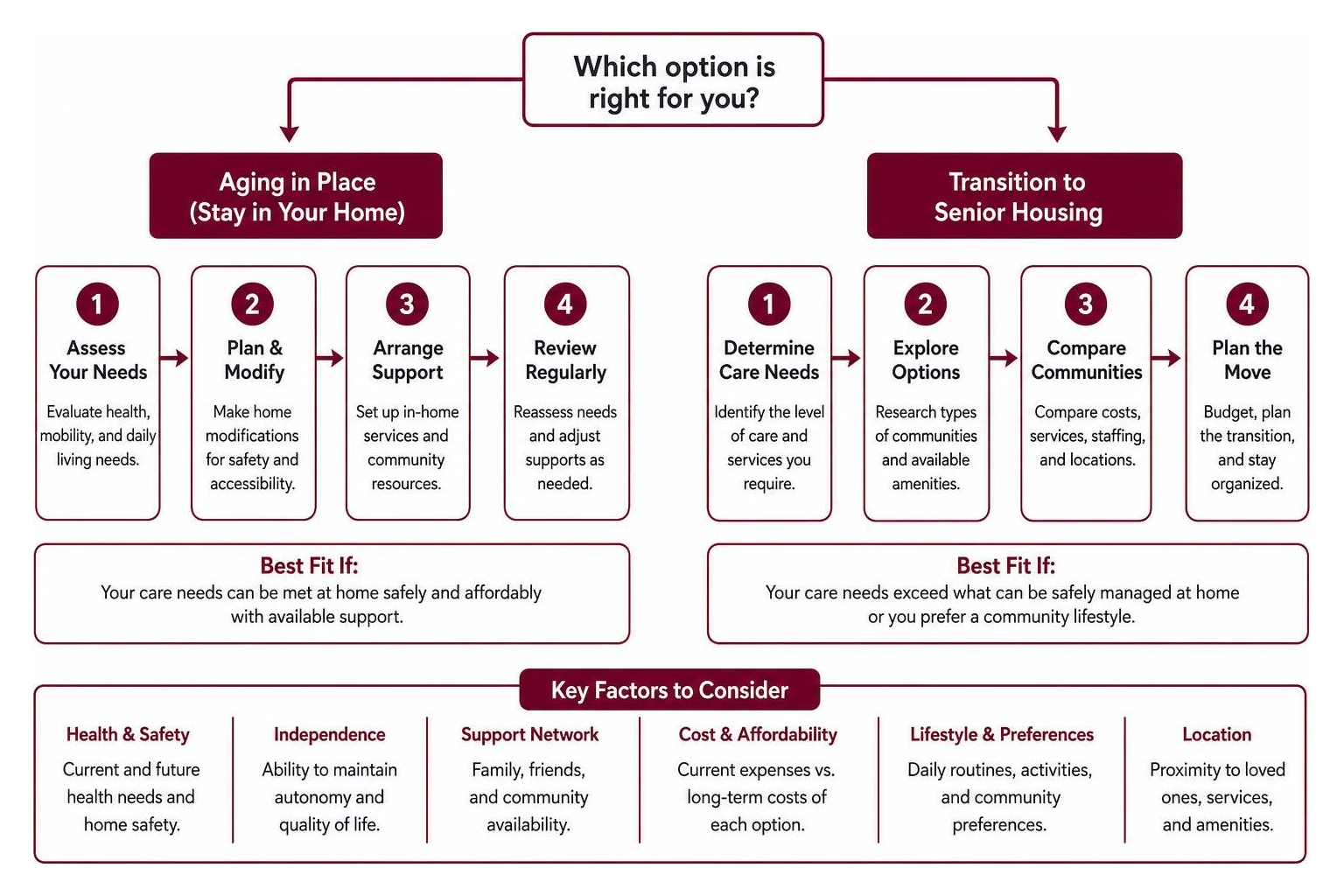
This decision keeps many seniors up at night: should I stay in my beloved family home or make the move to a community? Both paths have real advantages, and honestly, there’s no universally “right” answer.

Aging in place means staying put in your current home, making modifications as needed to keep you safe and comfortable. Think grab bars in the bathroom, ramps instead of steps, or maybe a stairlift. The emotional comfort of familiar surroundings, neighborhood memories, and staying close to longtime neighbors can’t be overstated. At LifeSTEPS, we deeply respect this choice and offer comprehensive programs to help older adults age in place successfully, connecting them with resources and support services.

Community living offers a different kind of independence – one where you maintain complete autonomy in your own apartment while having instant access to support and social connections. As your needs evolve over time, the services grow with you. You’re not burdening family members with maintenance requests or emergency calls because professional support is built right into your living situation.

The choice really comes down to what feels right for your lifestyle, health needs, and personal preferences. Some seniors thrive on the familiarity of home, while others flourish in the vibrant social environment of community living.

Services and Amenities That Improve Quality of Life

Here’s where senior living affordable housing communities really shine. These aren’t just places to sleep – they’re designed to improve every aspect of daily life, perfectly aligned with our whole-person approach at LifeSTEPS.

Community rooms serve as the heart of social life, hosting everything from movie nights and holiday parties to educational classes. Libraries and computer labs keep residents connected to the world, whether they’re video-calling grandchildren or pursuing lifelong learning interests.

Transportation services are absolute game-changers for seniors who no longer drive or have limited mobility. Many communities offer shuttle services for grocery shopping, medical appointments, and social outings – maintaining independence without the stress of navigating traffic or finding parking.

Service coordinators might be the most valuable resource of all. These dedicated professionals connect residents with external healthcare, social services, and community resources, ensuring no one falls through the cracks. It’s like having a personal advocate who knows exactly where to find help when you need it.

Wellness programs keep bodies and minds active through fitness classes, health screenings, and educational workshops. We’re particularly proud of our senior fitness programs that help residents maintain their physical strength and energy. Our award-winning RN Program reduces hospitalizations and saves $1.1M annually per site, helping seniors age in place safely.

The beauty of these amenities is how they address not just housing needs, but the full spectrum of what makes life fulfilling – social connections, physical health, intellectual stimulation, and practical support. It’s this comprehensive approach that helps explain why LifeSTEPS achieves such remarkable outcomes, including our 93% retention rate through rental assistance and wraparound support.

How to Find and Choose the Right Housing Option

Finding your perfect senior living affordable housing match doesn’t have to feel overwhelming. Think of it as finding the right neighborhood where you’ll feel at home – it takes a little research, but the payoff is worth it. The journey does have its complexities, especially since housing programs vary significantly from state to state and even between local communities.

a senior and a family member looking at a tablet together, researching housing options - senior living affordable housing

When you’re exploring senior living affordable housing options, several key factors can make the difference between a good fit and a great one. Start by thinking about location and accessibility – where do you really want to wake up each morning? Being close to family, friends, and familiar services can make a huge difference in your daily happiness. Look for communities with easy access to public transit, grocery stores, medical facilities, and community centers. A well-located community can significantly boost your independence and quality of life.

Community culture is another crucial piece of the puzzle. Every community has its own personality – some are quiet and peaceful, while others buzz with activity. Ask current residents about their experience, observe the social activities, and get a feel for how neighbors interact. You want to find a place where you’ll genuinely enjoy spending your time.

Don’t overlook available support services when making your decision. Beyond the basic housing, what level of support might you need now or in the future? Communities with service coordinators, wellness programs, or strong connections to external care providers can be invaluable. If you’re a veteran, seeking out communities that understand your unique needs can make all the difference – our veteran-specific support resources can help guide you in the right direction.

Finally, be realistic about waitlist duration. Many quality senior living affordable housing communities have waiting lists that can stretch for years. The smart approach? Apply to multiple locations to increase your chances of finding a spot sooner rather than later.

Finding Local Senior Living Affordable Housing Resources

The good news is you don’t have to steer this search alone. There’s a whole network of resources designed to help you find and secure the right housing option.

At LifeSTEPS, we understand that stable housing is the foundation for everything else in life. While we partner with housing providers rather than directly manage properties, our expertise in connecting people to resources runs deep. Through our comprehensive approach, we’ve helped achieve a remarkable 93% retention rate through rental assistance – because we know that finding housing is just the beginning. Our programs include financial literacy support, academic assistance, and mental wellness services, all designed to help you thrive in your new community. We’re here to help guide you to local resources and connect you with the social services that can make your transition smoother. Explore our community resources for elderly to get started.

The HUD website serves as your federal gateway to subsidized housing information. They provide comprehensive details about various programs and can help you locate public housing agencies in your specific area – think of it as your starting point for understanding what’s available at the federal level.

Your local housing authorities are the boots-on-the-ground experts in your area. These agencies manage waitlists for subsidized housing, provide detailed eligibility information, and maintain databases of local affordable housing developments. They’re often your best bet for understanding what’s actually available in your community right now.

Area Agencies on Aging (AAAs) offer a treasure trove of information beyond just housing. These local organizations specialize in serving older adults and can provide information about housing options, transportation services, and other support resources. They often have their finger on the pulse of what’s happening in the senior community locally.

Persistence and patience are your best allies in this search. The right senior living affordable housing option is out there – it just takes some detective work to find it.

Frequently Asked Questions about Affordable Senior Housing

We know you’ve got questions, and we’re here to provide clear, straightforward answers about senior living affordable housing. These are the questions we hear most often from families and seniors exploring their options.

What is the difference between affordable senior housing and a nursing home?

This is probably the most important distinction to understand! Many people worry that moving into senior living affordable housing means giving up their independence, but that’s simply not the case.

Affordable senior housing is all about providing you with your own home in a supportive community. You maintain complete independence in your own apartment or unit – cooking your meals, managing your daily routine, and coming and going as you please. The focus is on creating an affordable, safe place to call home where you can be part of a vibrant community.

For example, a resident in one of these communities has their own one-bedroom apartment, prepares their own meals, and participates in community activities by choice. They’re living independently but with the peace of mind that comes from being part of a supportive community.

Nursing homes, on the other hand, provide round-the-clock medical care and personal assistance. Residents typically need help with daily activities like bathing, dressing, or taking medications. The cost structure is completely different too – nursing homes charge daily rates that can be quite expensive, while senior living affordable housing often uses the rent-geared-to-income model where you pay about 30% of your income.

The bottom line? Affordable senior housing is about having your own home with community support, while nursing homes provide comprehensive medical care for those who can no longer live independently.

How long are the waiting lists for subsidized senior housing?

This is honestly one of the toughest parts of the process, and we wish we had better news. Waiting lists can take years, and the exact time varies dramatically depending on where you’re looking and how much demand there is in that area.

The reality is that demand far outpaces supply in most communities. As our population ages and more seniors face housing affordability challenges, these waitlists continue to grow. In some high-demand urban areas, centrally managed waiting lists for rent-geared-to-income housing can stretch for years.

But here’s what you can do to improve your chances: apply early and apply everywhere. Even if you don’t need housing right now, if you think you might in the future, get on those waitlists as soon as you meet the age requirements. Some programs let you apply at 59 even though you can’t move in until 60.

Don’t put all your hopes on just one community either. Apply to every program and community in your area that you’d consider. Keep your contact information updated with everyone, and ask about priority access programs – some communities offer faster placement for veterans, survivors of domestic abuse, or those experiencing homelessness.

At LifeSTEPS, we understand how frustrating these waits can be, which is why our 93% retention rate through rental assistance reflects our commitment to helping people maintain stable housing once they find it.

Can I qualify for affordable housing if I own a home?

For most senior living affordable housing programs, the answer is no – but we understand why this confuses people. The programs are designed to help those who truly don’t have other housing options available to them.

Here’s how it typically works: your home counts as a major asset, and most subsidized housing programs have strict asset limits. If you own residential property, you’re generally over those limits before you even start the application process.

If you somehow qualified and were offered a unit while owning a home, you’d be required to sell your property – usually within six months of moving in. You’ll also need to disclose any property you own during the application process. Being dishonest about this can lead to losing your housing later on.

We know this can feel frustrating, especially if you’re house-rich but cash-poor. If you own a home but are struggling with costs, you might want to explore other options first. Look into property tax relief programs, utility assistance, or even reverse mortgages (though please research these carefully with a financial advisor).

The good news is that there are resources designed to help homeowners stay in their homes. Our programs that help older adults remain stable in their current housing might be a better fit than transitioning to subsidized rental housing.

These rules exist to ensure that the limited supply of senior living affordable housing goes to those with the greatest need – and with waitlists stretching for years, every unit needs to count.

Conclusion: Taking the Next Step Toward a Secure Future

Finding the right senior living affordable housing doesn’t have to feel overwhelming when you have the right information and support. Throughout this guide, we’ve walked through the landscape of affordable housing options, from rent-geared-to-income communities where you pay just 30% of your income, to non-profit developments that prioritize resident well-being over profit margins.

The key takeaways are clear: planning ahead is everything. Those waitlists we discussed aren’t just numbers – they represent real people waiting for stable housing. By applying early and to multiple locations, you’re giving yourself the best chance at securing a spot in a community that fits your needs and budget.

But here’s what makes senior living affordable housing truly special – it’s about so much more than just having an affordable roof over your head. These communities offer something precious: connection, security, and peace of mind. When you’re not worrying about fixing a leaky roof or feeling isolated in an empty house, you can focus on what really matters – staying healthy, pursuing hobbies, spending time with loved ones, and simply enjoying this chapter of your life.

The supportive services we’ve explored – from transportation and wellness programs to on-site service coordinators – create an environment where independence and assistance work hand in hand. This includes our award-winning RN Program, which reduces hospitalizations and saves $1.1M annually per site, helping seniors age in place safely.

Our 93% retention rate through rental assistance isn’t just a statistic – it represents thousands of individuals who found not just housing, but a pathway to stability and self-sufficiency. And our whole-person approach extends to intergenerational outcomes: our Summer Reading Program helps 97% of participating students maintain or improve literacy, and our Scholarship Program has awarded $2.1M to help break cycles of poverty and strengthen families.

Your journey toward secure housing starts with a single step. Whether you’re planning for yourself or helping a loved one, the resources and options are there. The importance of supportive services cannot be overstated – they transform housing from merely shelter into a true home where you can flourish.

We’re here to help you take that next step toward a secure and fulfilling future.

Learn more about our Programs & Services

LifeSTEPS, 3247 Ramos Cir, Sacramento, CA 95827 | Phone: (916) 965-0110 | https://lifestepsusa.org