Tag Archive for: affordable housing

emergency housing for pregnant single mothers

Your Urgent Guide to Emergency Housing for Single Pregnant Mothers

Why Finding Emergency Housing for Pregnant Single Mothers Matters Right Now

Emergency housing for pregnant single mothers provides immediate, safe shelter when you’re facing homelessness or an unsafe living situation. If you need help today, here’s what you need to know:

Immediate Steps to Take:

  1. Call 911 if you’re in immediate danger.
  2. Dial 2-1-1 to connect with local emergency housing and social services.
  3. Contact the National Domestic Violence Hotline at 1-800-799-7233 if fleeing abuse.
  4. Reach out to local women’s shelters or maternity homes.
  5. Apply for Emergency Housing Vouchers through your local Public Housing Authority.

Types of Housing Available:

  • Emergency shelters: Immediate, short-term housing (30-90 days).
  • Maternity homes: Safe housing specifically for pregnant women, with prenatal care support.
  • Transitional housing: Longer-term programs (6-24 months) that help you build skills for independence.
  • Permanent supportive housing: Stable, affordable housing with ongoing services.

Finding yourself pregnant and without stable housing is overwhelming. You are not alone—and help is available right now. For decades, dedicated programs have helped thousands of homeless pregnant women find safety. Research shows that combining immediate shelter with comprehensive support achieves housing retention rates as high as 98.3%. The key is knowing where to look and what steps to take first.

This guide will walk you through how to find emergency housing, what support you can expect, and how to access resources that will help you and your baby thrive. Whether you’re fleeing abuse, facing eviction, or have no safe place to stay, programs exist to help pregnant mothers like you.

I’m Beth Southorn, Executive Director of LifeSTEPS. For over three decades, I’ve seen how emergency housing for pregnant single mothers combined with wraparound support transforms lives. Under my leadership, LifeSTEPS has achieved a 93% housing retention rate by providing comprehensive services that address the whole person, helping families move from crisis to stability.

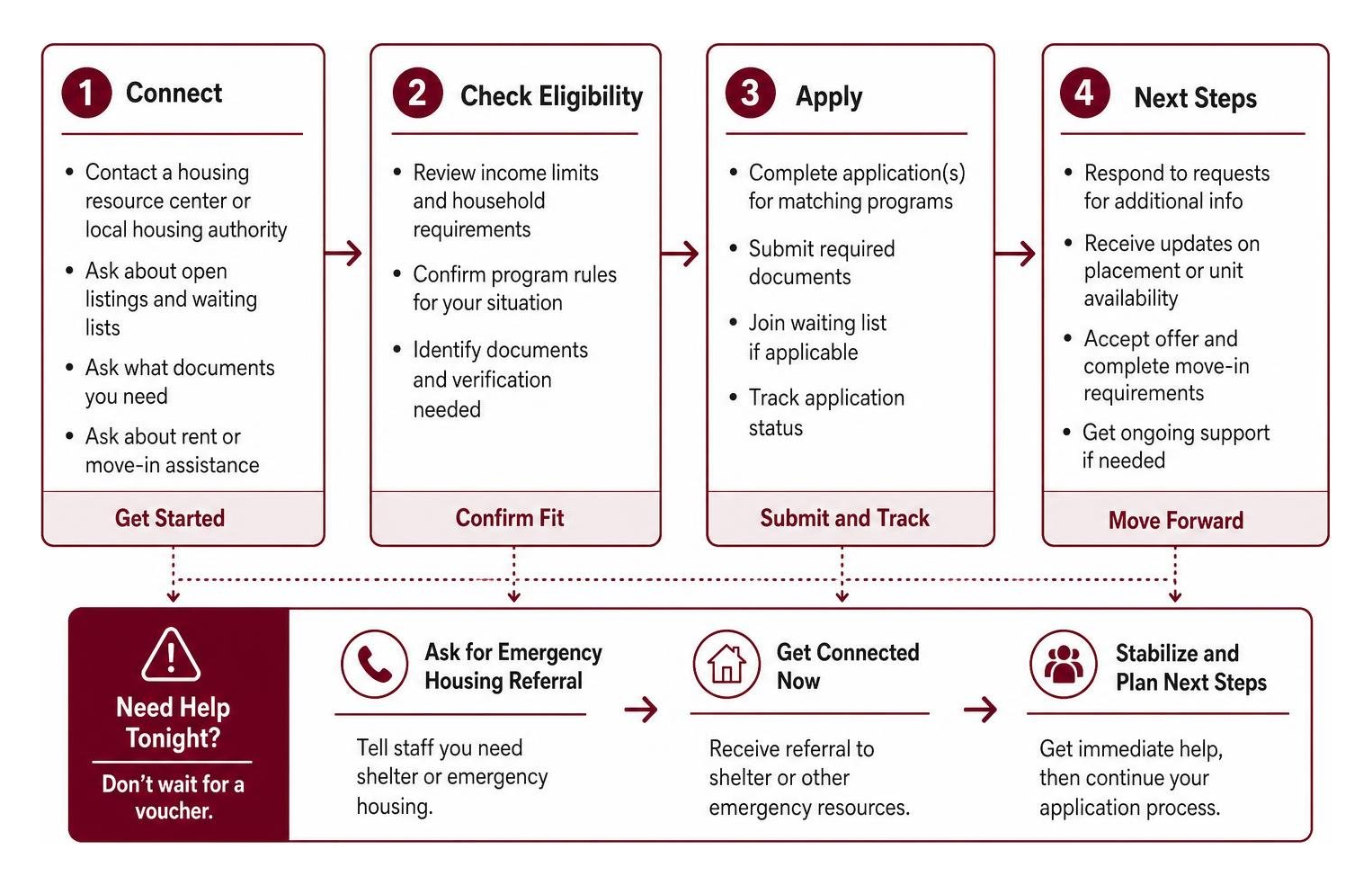
Infographic showing immediate action steps for pregnant mothers facing homelessness: Step 1 - Assess your safety (call 911 if in danger, contact domestic violence hotline if fleeing abuse); Step 2 - Find temporary shelter (dial 2-1-1, contact local women's shelters, search for maternity homes); Step 3 - Gather essential documents (ID, birth certificate, proof of pregnancy, income documents); Step 4 - Apply for assistance (contact Public Housing Authority for emergency vouchers, reach out to non-profits, connect with pregnancy resource centers); Step 5 - Access wraparound services (prenatal care, case management, parenting support, job training). Bottom includes contact information for LifeSTEPS and 24/7 hotlines. - emergency housing for pregnant single mothers infographic

First Steps: What to Do if You’re Pregnant and Facing Homelessness

When you’re pregnant and facing homelessness, your safety and your baby’s well-being come first. Taking these first steps one at a time will help you move from crisis to safety.

If You Are in Immediate Danger

If you feel unsafe right now from an abusive partner, a dangerous living environment, or any other threat, call 911 immediately. Police can provide protection and connect you with emergency services.

Many mothers experience homelessness due to domestic violence. If this is your situation, you deserve better. The National Domestic Violence Hotline is available 24/7 to help you create a safety plan and find resources. They can help you figure out the safest way to leave.

If you have time, try to gather important documents like your ID, birth certificate, medical records, and proof of income. Pack a small “go-bag” with medications, toiletries, and a change of clothes for yourself and any other children. This bag can be a lifeline if you need to leave quickly.

If you’re facing eviction, our Eviction Prevention Services may be able to provide guidance and resources to help you keep your housing or find alternatives.

Finding Immediate, Temporary Shelter

Once you’re safe, finding a place to sleep tonight is the priority. Emergency housing for pregnant single mothers exists to help you through this crisis.

  • Dial 2-1-1 from any phone. This free service connects you with a specialist who can direct you to available emergency shelters, food assistance, and health services in your area. It works nationwide, including in Sacramento and throughout California, with dedicated services like Washington 211 serving specific regions.
  • Crisis centers offer immediate, short-term shelter, providing a safe place to sleep, meals, and connections to other services.
  • Women’s shelters accept pregnant women, often with other children. They offer safety, meals, and staff who can help you plan your next steps.
  • Your local social services agency can also point you toward emergency housing options and help you apply for assistance programs.

You don’t have to figure this out alone. These resources exist because people care about what happens to you and your baby.

a simple "go-bag" with items like documents, medication, and basic toiletries - emergency housing for pregnant single mothers

Understanding Your Housing Options: Emergency vs. Transitional

When you’re pregnant and facing homelessness, the housing landscape can feel confusing. Emergency housing for pregnant single mothers and transitional housing serve different purposes at different stages of your journey. Emergency housing is a lifeline in a crisis, while transitional housing is where you build the skills for long-term stability.

Emergency housing is short-term, typically lasting 30 to 90 days. It’s crisis-focused, designed to meet your immediate needs—a safe bed, meals, and protection. The goal is to get you and your baby out of danger and into a stable environment quickly.

Transitional housing offers a longer stay, usually 6 to 24 months. During this time, you prepare for the future through skill-building workshops, financial literacy classes, job training, and intensive case management. The focus shifts from crisis intervention to building a foundation for independence.

The ultimate goal is always to reach permanent, stable housing. Our Permanent Supportive Housing Complete Guide can help you understand what that next step looks like.

Feature Emergency Housing Transitional Housing
Duration Short-term (typically 30-90 days) Longer-term (typically 6-24 months)
Purpose Immediate crisis intervention, basic needs met Skill-building, self-sufficiency, path to permanent housing
Focus Safety, shelter, food Education, job training, financial literacy, parenting support
Environment Often communal, basic facilities More independent living, individual or family units
Support Level Crisis intervention, basic case management Intensive case management, therapy, life skills training
Goal Stabilize immediate crisis Prepare for independent living and long-term stability

What are Emergency Shelters and Maternity Homes?

Emergency shelters and maternity homes are your first responders in a housing crisis. They exist to get you somewhere safe, right now.

Most provide a short-term stay of 30 to 90 days, giving you breathing room to access prenatal care and plan your next steps. During your stay, your basic needs are met—you’ll have a bed, meals, and access to showers and laundry. The staff are trained in crisis intervention and can connect you with medical, mental health, or legal support. Many shelters operate at confidential locations to ensure your safety.

What matters most is the safe environment these shelters provide. You’re entering a space where people understand what you’re going through and are committed to helping you move forward, ensuring no mother faces homelessness alone. LifeSTEPS can help connect you to these vital resources. We’re here to help you steer the system and find emergency housing for pregnant single mothers.

What is Transitional Housing?

Once the immediate crisis passes, transitional housing becomes your pathway to independence. These programs typically allow a longer stay of 6 to 24 months, as it takes time to develop new skills, save money, and build a support network.

Transitional housing offers comprehensive skill-building programs focused on self-sufficiency goals. You might attend workshops on financial literacy, practice job interview techniques, or take parenting classes. You’re actively preparing for permanent housing and financial independence.

Your case manager becomes your partner, helping you set realistic goals and create a personalized plan to reach them. At LifeSTEPS, our 93% housing retention rate reflects this whole-person approach. Our Housing Stability Services provide the comprehensive support you need to not just find housing, but keep it.

How to Find Emergency Housing for Pregnant Single Mothers

When you’re pregnant and need housing immediately, knowing where to turn makes all the difference. Resources from government programs to local organizations exist specifically to help women in your situation.

a woman on a phone, looking relieved while talking to a support worker - emergency housing for pregnant single mothers

Using Government Assistance Programs

Government programs can provide crucial financial support and housing vouchers. The U.S. Department of Housing and Urban Development (HUD) runs the Emergency Housing Vouchers (EHV) program, designed for people who are homeless, at risk of homelessness, or fleeing domestic violence. These vouchers can help you secure immediate housing without long wait times.

Apply for these vouchers at your local Public Housing Authority (PHA). In California, each county has its own PHA managing housing assistance programs. Apply as soon as possible to get on the waiting list.

California also offers support through CalWORKs, which provides cash aid and services to eligible families, including housing assistance, temporary shelter, and help with moving expenses. CalWORKs can be a lifeline for pregnant women, as it recognizes that stable housing is essential for healthy pregnancies.

Connecting with Local Non-Profit Organizations and Community Resources

Beyond government aid, a community of organizations is ready to help. Local charities and faith-based organizations often offer direct assistance with rent, security deposits, and utility payments. They typically welcome anyone in need and can be a source of both practical and emotional support.

Community resource centers act as connection points, linking you to housing, food, healthcare, and employment assistance. In Sacramento and across California, many organizations provide housing solutions and comprehensive support specifically for pregnant women. At LifeSTEPS, our Community Housing Assistance program helps individuals find safe, affordable housing solutions, and we can connect you with the right resources for your unique situation.

Specialized Programs and Support

Some pregnant women face additional challenges that require specialized care. Resources are available to address your whole situation.

  • Substance Abuse Support: Programs combine safe housing with addiction treatment and recovery services, prioritizing the health of both you and your baby.
  • Mental Health Support: Many housing programs integrate mental health counseling to help you manage the enormous stress of homelessness and pregnancy.
  • Immigrant and Legal Support: Immigrant rights organizations and legal aid services can guide you on your rights and connect you with housing and medical care, regardless of documentation status. They can also assist with eviction notices or domestic violence restraining orders.

At LifeSTEPS, our Supportive Services take a wraparound approach. We connect you to mental health support, substance abuse resources, legal aid, and more. Our 93% housing retention rate comes from this comprehensive approach of addressing the whole person.

What Support Can You Expect? A Whole-Person Approach

When you find emergency housing for pregnant single mothers, you’re getting more than a place to sleep. You’re stepping into a community that wants to help you build a strong foundation. At LifeSTEPS, we believe stable housing is just the beginning—what truly transforms lives is the comprehensive support that addresses your whole well-being.

a diverse group of mothers in a supportive group setting - emergency housing for pregnant single mothers

This is what we call wraparound services—a network of support that meets you where you are. These services typically include prenatal care access, counseling, parenting classes, financial literacy training, and job assistance. It’s about treating the whole person, not just the immediate crisis.

Health and Wellness Services

Your health and your baby’s health come first. Quality programs ensure you have support at every step.

  • Medical Care Coordination: Staff help you connect with prenatal care, schedule appointments, and access birthing classes. Many shelters have relationships with local clinics, making it easier to get care.
  • Mental Health Support: It’s normal to feel overwhelmed. Programs offer individual counseling and support groups with other mothers. Information on perinatal mental health shows why this support is so vital. At LifeSTEPS, we integrate this into our Coordinated Family Support Services.
  • Nutrition and Postpartum Care: Nutrition classes teach you how to prepare healthy meals on a budget. Support continues after birth with help for breastfeeding, newborn care, and ongoing health monitoring.

Building Skills for Long-Term Stability

The goal is to help you build a future where you never face homelessness again. This means developing practical skills for financial independence.

  • Budgeting Workshops: Learn to manage money, save for emergencies, and set financial goals.
  • Education and Job Training: Programs help you earn your GED, complete vocational training, or take college courses. You’ll get help with resume building, interview coaching, and connecting with employers.
  • Childcare Support Resources: To help you balance work or school, programs connect you with affordable or subsidized childcare options.

At LifeSTEPS, our 93% housing retention rate proves this comprehensive approach works. Our Financial Hardship Assistance Programs provide targeted support to help you not just find housing, but keep it. The whole-person approach means seeing you as someone with incredible strength who deserves the right support to thrive.

Frequently Asked Questions about emergency housing for pregnant single mothers

When you’re facing homelessness while pregnant, you need clear answers fast. Here are the questions we hear most often from mothers looking for emergency housing for pregnant single mothers.

What are the typical eligibility requirements?

While every program is different, most require similar documentation. You’ll likely need:

  • Proof of pregnancy from a doctor or clinic.
  • Income verification like pay stubs or benefit statements to show you qualify for assistance.
  • Proof of homelessness status, such as an eviction notice or a letter from a social service agency.
  • Identification documents like a state ID, driver’s license, or birth certificate. Programs can often help if you’ve lost these.
  • Some programs have residency requirements, but exceptions are often made in crisis situations, especially for those fleeing domestic violence. Always ask.

Contact the program directly even if you don’t have all your paperwork. Staff understand and can often work with you.

How can I get financial help for rent or a security deposit?

Upfront housing costs can feel impossible, but resources are available to help.

  • Rental assistance programs from government agencies and non-profits can help cover monthly rent temporarily.
  • Non-profit grants from local charities and foundations can cover rent, utilities, or security deposits and don’t need to be repaid.
  • Emergency Solutions Grants (ESG) are federal funds distributed locally to help prevent eviction or rapidly re-house those who are homeless.

At LifeSTEPS, we know initial costs are a major barrier. That’s why we offer First Month Rent and Security Deposit Assistance. Our 93% housing retention rate shows that when families get the right support at the right time, they thrive.

What are the key differences in services for emergency housing for pregnant single mothers?

Not all emergency housing is the same, especially when you’re pregnant. Understanding the differences helps you find the best fit.

  • Maternity Homes vs. General Shelters: Maternity homes are designed specifically for pregnant women, offering specialized prenatal care coordination, birthing classes, and parenting support. General women’s shelters provide crucial safety and basic needs but may have fewer specialized prenatal resources.
  • Level of Specialized Prenatal Care: Maternity homes often have nurses on staff or transportation to medical appointments built into their program.
  • Parenting Support: Programs for pregnant mothers typically offer intensive preparation for parenthood, from newborn care to child development.
  • Rules Regarding Other Children: Always ask about policies for other children. Some facilities may have age or gender limitations for older children, though many accommodate siblings.
  • Intensity of Case Management: Specialized programs usually provide more individualized, comprehensive help to plan for birth, access benefits, and secure long-term housing and employment.

At LifeSTEPS, we believe housing is the foundation. Through our Coordinated Family Support Services, we address the whole person—your health, skills, and goals for your family’s future.

Conclusion: Your Next Steps Toward a Safe and Stable Future

Taking the step to read this guide is a courageous act. Finding emergency housing for pregnant single mothers is about claiming a future where you and your baby can thrive. We hope you feel more informed, empowered, and hopeful.

The path from crisis to stability takes time. Whether you start in an emergency shelter or move into transitional housing, each step matters. You aren’t expected to have it all figured out. What matters is taking that first step and accepting the support available to you.

At LifeSTEPS, our 93% housing retention rate represents real mothers and children who found stability. Our whole-person approach means we don’t just help you find housing; we help you access prenatal care, develop job skills, manage finances, and build the confidence to succeed. This is about building a life where your baby grows up in a safe, stable home and you have the resources to thrive.

The support you need is real and available. From emergency housing vouchers to comprehensive wraparound services, resources exist to help you move from crisis to confidence. You deserve this support, and your baby deserves a stable start.

Take that next step today. Whether it’s calling 2-1-1, contacting your local Public Housing Authority, or connecting with LifeSTEPS, you’re moving in the right direction. Find out more about Affordable Housing for Single Moms and see how our services can support your journey.

You are stronger than you know, and you don’t have to do this alone.

Contact LifeSTEPS for Support:
LifeSTEPS, 3247 Ramos Cir, Sacramento, CA 95827 | Phone: (916) 965-0110 | https://lifestepsusa.org

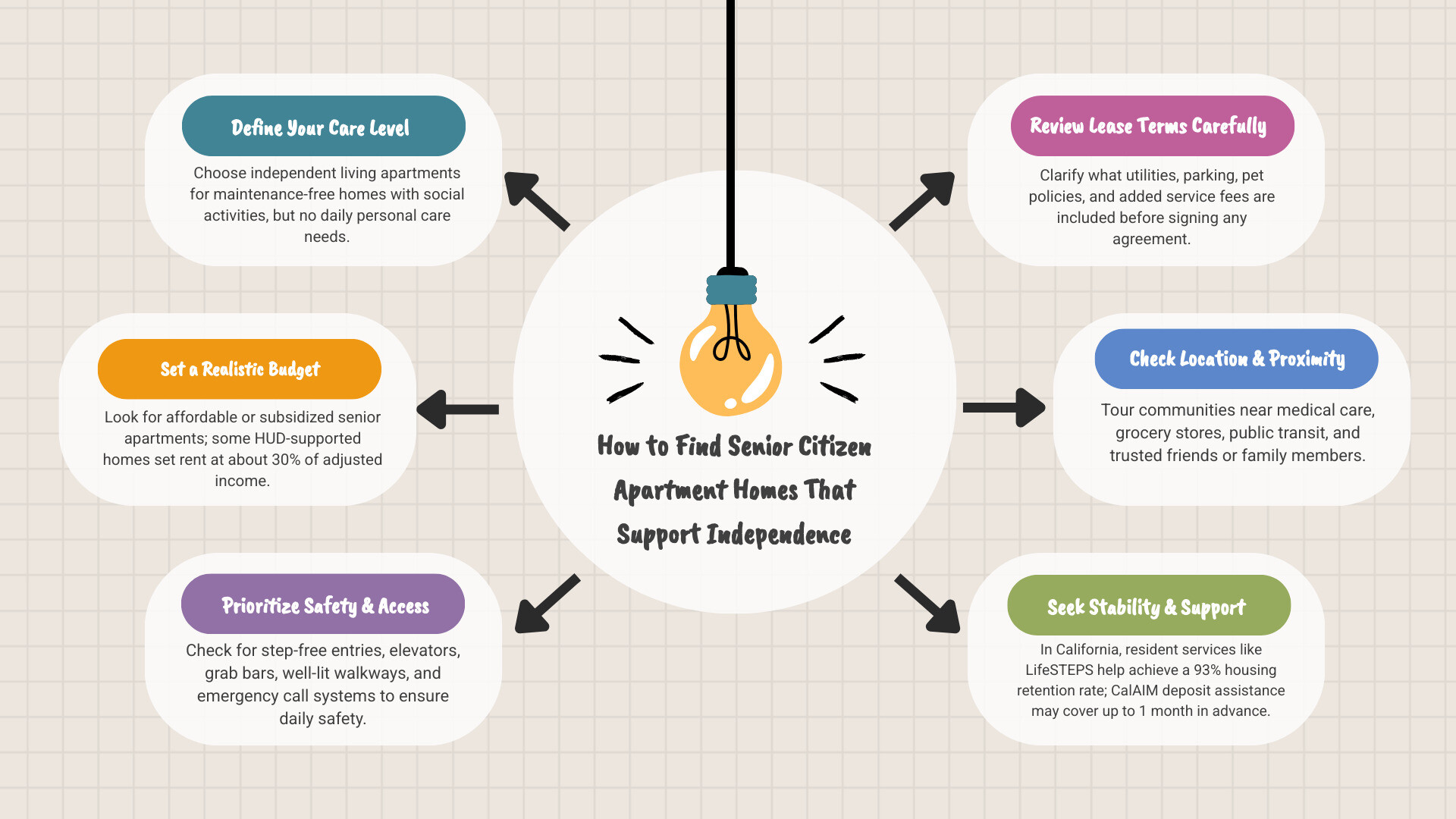
low income senior housing with no waiting list

Senior Solutions: How to Secure Low-Income Housing Without a Long Waitlist

Why Finding Low Income Senior Housing with No Waiting List Matters

Finding low income senior housing with no waiting list is a critical need for older adults facing immediate housing challenges. While many affordable housing programs have long waitlists, there are strategies to find a home more quickly.

Quick answers for seniors needing immediate housing:

  • Expand your search to new buildings, rural areas, and smaller communities.
  • Consider alternatives like home-sharing, co-ops, or moving in with family.
  • Apply for priority access if you are homeless, a victim of domestic violence, or have urgent health needs.
  • Contact local resources like 211, Area Agencies on Aging, and non-profit housing providers.

The challenge is significant. Over 58% of senior renters are cost-burdened, spending over 30% of their income on housing. With Social Security averaging just $1,976 monthly, finding an affordable home is essential for stability.

This guide provides actionable strategies to find opportunities with shorter waits and secure safe, affordable housing. You’ll learn about housing types, eligibility, applications, and financial aid for low-income seniors.

I’m Beth Southorn, Executive Director of LifeSTEPS. We’ve helped thousands of seniors secure and maintain affordable housing in California, achieving a 93% retention rate. My experience shows that with the right information and support, seniors can find housing by thinking beyond traditional paths and using community resources.

Infographic showing three types of senior housing: Subsidized Housing (rent is 25-30% of income, income limits apply, includes utilities and basic services), Affordable Housing (fixed rent below market rate, broader income limits, varies by location), and Market-Rate Housing (full market rent, no income restrictions, premium amenities) - low income senior housing with no waiting list infographic 3_facts_emoji_nature

Understanding Your Low-Income Senior Housing Options

Finding the right housing on a fixed income can be confusing. Understanding terms like subsidized, affordable, and income-based is the first step toward finding a home that fits your budget. Knowing where to look can lead you to low income senior housing with no waiting list, or at least a shorter wait.

a collage showing different senior living communities: a modern apartment complex, a small co-op building, and a senior in a home-share setting - low income senior housing with no waiting list

Let’s break down the main housing types for seniors with limited income:

  • Subsidized apartments: The government helps pay your rent, which is typically based on your income, not the market rate.
  • Income-based housing: Similar to subsidized housing, with rent adjusted to what you can afford based on specific income limits.
  • Non-profit communities: Run by organizations dedicated to serving seniors, often providing extra services to help residents live independently.
  • Cooperative housing: You buy a share in the corporation that owns the property, giving you a say in how it’s run. Costs are often lower than traditional rentals.

What’s the Difference Between Subsidized, Affordable, and Market-Rate?

Understanding these terms helps you know what to expect and which programs you might qualify for.

Subsidized housing (e.g., HUD’s Section 8 or Section 202) means you typically pay 30% of your adjusted income toward rent, and the government pays the rest. Eligibility is strict, often requiring income below 50% of the Area Median Income (AMI) and an age of 62 or older.

Affordable housing properties charge a fixed, below-market rent. The rent amount doesn’t change with your income. Income limits are more flexible than subsidized housing, but age restrictions (55+ or 62+) are common.

Market-rate housing has no income limits. Landlords charge what the market will bear, and amenities range from basic to luxury.

Here’s how they compare:

Feature Subsidized Housing Affordable Housing Market-Rate Housing
Rent Calculation 30% of adjusted household income Fixed rate, below market average Market-driven, no income consideration
Eligibility Very strict income limits (e.g., <50% AMI), age Income limits (e.g., <80% AMI), often age-restricted No income limits, credit/income check
Funding Government subsidies (e.g., HUD) Tax credits, government incentives, non-profit development Private landlords/developers
Wait Times Often very long Can be long, but sometimes shorter than subsidized Generally immediate availability
Amenities Basic utilities, common areas Varies, often basic to moderate shared facilities Wide range, from basic to luxury

What Support Services Are Typically Offered?

Many senior housing communities offer services to help you live independently. These can make a real difference in your quality of life.

Common services include:

  • Meal services: Daily meals in a shared dining room.
  • Housekeeping assistance: Help with light cleaning and laundry.
  • Transportation services: Rides to appointments, shopping, and events.
  • Wellness programs: Fitness classes, health screenings, and workshops. At LifeSTEPS, our RN program reduces hospitalizations and saves about $1.1 million annually per site.
  • Social and recreational activities: Events like game nights, crafts, and outings to combat loneliness.
  • 24/7 staff and security: For emergencies and peace of mind.

Always ask if these services are included in the rent or cost extra.

At LifeSTEPS, we offer wraparound services including financial literacy, academic support, and mental wellness resources. With a 93% retention rate through rental assistance, we are committed to helping seniors maintain stable, affordable housing long-term. Learn more about our resident services and how we support our communities: More info about our resident services

Strategies for Finding Low Income Senior Housing with No Waiting List

Finding low income senior housing with no waiting list is challenging, as demand often exceeds supply. However, certain strategies can significantly shorten your wait or lead to immediate housing solutions.

a senior and a family member using a tablet to research housing options online - low income senior housing with no waiting list

The key is to think creatively and broaden your search. Consider these strategies:

  • Newly opened buildings: Applying right when a new community opens gives you an advantage before long waitlists form.
  • Rural locations: Areas outside major cities often have lower demand and shorter waits for affordable housing.
  • Priority access programs: You may qualify for priority placement if you are homeless, a victim of domestic violence, or have urgent medical needs. This can reduce wait times from years to months.
  • Emergency housing: These programs offer critical short-term shelter while you search for a permanent home.
  • Private landlords: Some landlords accept Section 8 Housing Choice Vouchers, which can bypass traditional waitlists for specific buildings.

The fastest path to housing often involves looking beyond traditional apartments.

Home-sharing programs match seniors who have spare rooms with individuals seeking affordable housing. The homeowner gets help with rent or chores, and the renter finds an affordable place to live. Beyond the financial benefits, many participants find the companionship invaluable.

Roommate matching services help seniors find compatible roommates to share living expenses, which can drastically reduce housing costs and provide companionship.

Virtual retirement communities are not physical housing but support networks that help seniors age in place. For an annual fee, members get access to transportation, social activities, and vetted service providers. Use the Village to Village Network website to find a community near you.

Adult family homes or adult foster care are residential homes providing care for a small group of seniors. They can sometimes be a more immediate option than large facilities.

Community-based support networks like senior centers and religious organizations often know about informal or unadvertised housing opportunities.

Where to Look for Immediately Available Housing

Knowing where to turn for information can make all the difference.

Once you find potential housing, you must steer the application process. Being prepared with the right documents can significantly reduce delays and improve your chances of securing a home quickly.

a person neatly organizing documents like an ID card, bank statements, and an application form - low income senior housing with no waiting list

Do You Qualify? Understanding Eligibility Requirements

Housing providers must verify that you meet specific criteria. Key qualifications include:

  • Age: Most senior housing requires applicants to be 62 or older, though some accept residents at 55.
  • Income Limits: Your income must fall below a certain threshold based on your area’s Area Median Income (AMI). Programs often target very-low income (less than 50% of AMI) or extremely low income (less than 30% of AMI) households. You can check the current HUD income limits for your area.
  • Ability to Live Independently: Most affordable senior apartments are for those who can manage daily activities on their own. However, communities supported by LifeSTEPS offer services that help residents maintain independence.
  • Background and Credit Checks: Providers conduct checks to ensure a safe community. Past evictions or certain criminal convictions may impact eligibility.
  • Assets: Most programs have asset limits. If you own a home, you may be required to sell it and use the proceeds for living expenses before you can qualify.

If you’re unsure whether you qualify, contact the housing provider or LifeSTEPS for guidance.

Preparing Your Application Packet to Avoid Delays

Incomplete applications are the top reason for delays. A well-organized packet shows you are a serious, responsible applicant and can speed up the process.

Gather these essential documents:

  • Identification: Valid photo ID (driver’s license, state ID) and Social Security card.
  • Proof of Income: Official statements for Social Security, pensions, SSI/SSDI, and any other income sources. Include recent pay stubs if you are working.
  • Financial Documentation: Bank statements for all accounts (checking, savings) for the last 3-6 months, plus documentation for any investments or real estate.
  • Housing History: Contact information for previous landlords for the past 2-3 years.
  • Tax Returns: Your most recent federal and state tax returns (Form 1040).
  • Other Documents: Proof of disability, birth certificates for all household members, and proof of U.S. citizenship or eligible immigration status may be required.

Create a folder for all your documents, keeping copies and originals organized. A thorough application can shave weeks or months off your wait time. At LifeSTEPS, our resident services include support with financial literacy and document organization to help you succeed.

Financial Assistance Programs and Special Housing Resources

Even with an affordable housing option, monthly costs can be a challenge on a fixed income. Financial assistance programs exist to bridge this gap and make housing achievable.

How Government Programs Help You Afford Housing

The Department of Housing and Urban Development (HUD) offers several key programs for low-income seniors.

The Housing Choice Voucher Program (Section 8) provides a voucher to rent from a private landlord. You find your own apartment, and the local Public Housing Agency (PHA) pays a portion of your rent to the landlord. You typically pay 30% of your adjusted gross income, and the voucher covers the rest. This flexibility can sometimes lead to quicker housing solutions.

Section 202 Supportive Housing for the Elderly involves specific properties where the government subsidizes the building. Residents pay 30% of their adjusted income. To qualify, at least one household member must be 62 or older, and the household must earn less than 50% of the Area Median Income (AMI). These communities often include valuable supportive services.

Both programs follow the “30% rule” to prevent housing cost burden. With Social Security averaging just $1,976 per month, these programs are essential for making housing sustainable.

Resources for Veterans and Aging in Place

Specialized resources are available for certain groups, including veterans and those who wish to age in place.

  • Veterans Housing Options: Your local Veterans Affairs (VA) office is the best resource for specialized housing programs, disability compensation, and other benefits you’ve earned.
  • Home Adaptation and Aging-in-Place Programs: These grants help seniors modify their homes with ramps, grab bars, and other safety features to remain independent. Contact your local Area Agency on Aging for information on available grants.
  • Non-Profit Housing Providers: Organizations like LifeSTEPS operate affordable communities with a mission to serve seniors. They often provide resident services like health support, social activities, and care coordination.

LifeSTEPS’ award-winning Registered Nurse program helps residents age in place successfully by reducing hospitalizations, saving approximately $1.1 million annually per site. Our wraparound services, including financial literacy and wellness initiatives, contribute to a 93% retention rate in our rental assistance programs. We are committed to helping seniors not just find housing, but thrive. Find support and resources for low-income elderly housing through our programs.

Frequently Asked Questions about Low-Income Senior Housing

Searching for low income senior housing with no waiting list brings up many questions. Here are straightforward answers to common concerns.

What is the fastest way to get into senior housing?

Finding a traditional subsidized apartment with no wait is rare, but faster options exist. The quickest paths often involve:

  • Expanding your search: Look into newly opened communities, which have fresh waitlists, or rural areas with less demand.
  • Considering alternatives: Home-sharing programs can provide immediate housing and companionship.
  • Seeking priority access: If you are homeless, a victim of domestic violence, or in a crisis, contact your local Area Agency on Aging. You may qualify for emergency placement or priority status on waitlists.
  • Using a Section 8 Voucher: If you already have a Housing Choice Voucher, you can search for any private landlord who accepts it, which can be faster than waiting for a specific building.

Can I get low-income housing if I own a home?

In most cases, no. Low-income housing programs have strict asset limits, and a home is a significant asset that would likely make you ineligible. Typically, you would need to sell your home and use the proceeds for living expenses. Once your assets fall below the program’s threshold, you can apply for assistance. We recommend speaking with a housing counselor to understand your specific options.

What happens if my income changes after I move into subsidized housing?

You are required to report all income changes to your housing authority or property manager. This process is designed to protect you.

  • If your income decreases, your rent will be recalculated and lowered to remain affordable (typically 30% of your adjusted income).
  • If your income increases, your rent will go up proportionally, but it will still be set at an affordable rate.

Failing to report changes can lead to serious consequences, including owing back rent or losing your subsidy. At LifeSTEPS, our financial literacy programs help residents manage these requirements with confidence.

LifeSTEPS: Empowering Seniors for Housing Stability and Wellness

Finding low income senior housing with no waiting list is a challenge, but you don’t have to do it alone. At LifeSTEPS, we are a non-profit organization dedicated to helping California seniors not just find housing, but thrive.

Our whole-person approach delivers measurable results:

  • We maintain a 93% retention rate through our rental assistance programs, proving our commitment to long-term stability.
  • Our award-winning Registered Nurse (RN) program reduces hospitalizations, saving approximately $1.1 million annually per site and helping seniors age in place with dignity.
  • Our wraparound services include financial literacy, wellness initiatives, and social activities to build strong, supportive communities.

While we can’t guarantee immediate placement, our expertise can help you steer the system and connect with the right resources. Whether you are starting your search or need support to maintain your current home, LifeSTEPS is here for you.

Find support and resources for low-income elderly housing

LifeSTEPS, 3247 Ramos Cir, Sacramento, CA 95827 | Phone: (916) 965-0110 | https://lifestepsusa.org

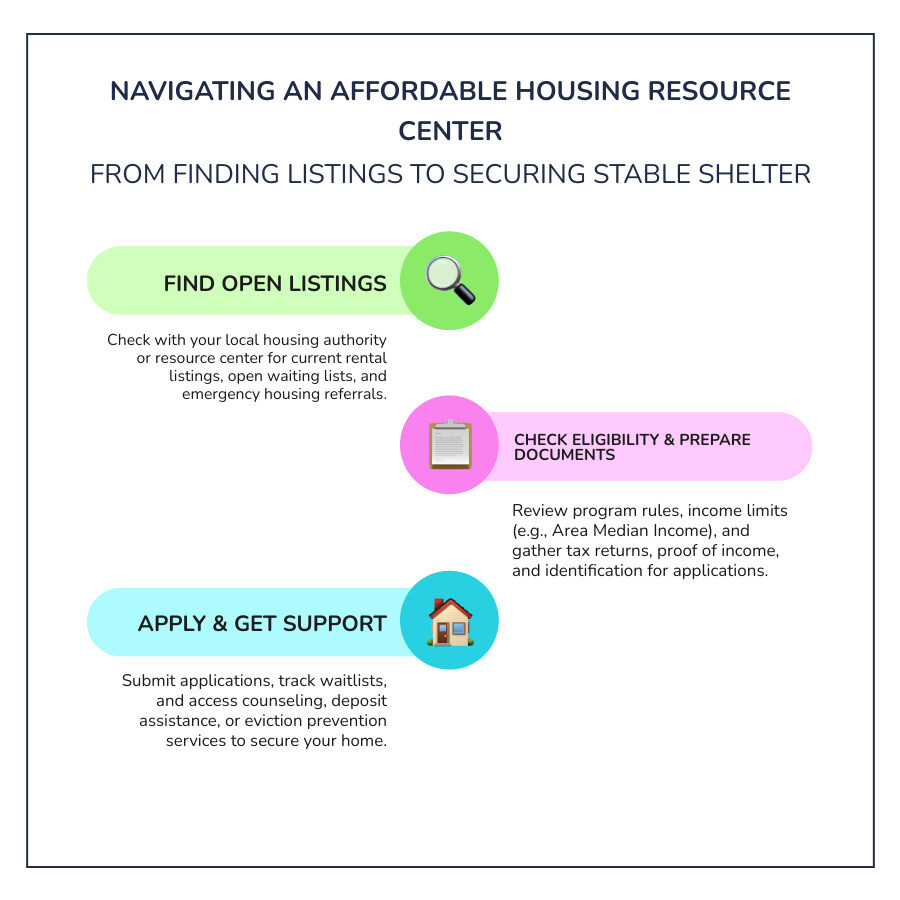
income restricted housing near me

Your City’s Affordable Housing: Properties and Programs

Your Guide to Finding Stability Through Affordable Housing

Income restricted housing near me can be the foundation for stability. Here’s what you need to know to get started:

Quick Answer for Finding Income-Restricted Housing:

  • Use HUD’s map tool at resources.hud.gov
  • Contact your local Public Housing Agency (PHA)
  • Check eligibility: typically 50-80% of Area Median Income (AMI)
  • Prepare documents: ID, income proof, references
  • Apply to multiple properties due to waiting lists

Income-restricted apartments are developments where rent is capped based on an area’s median income. If you earn at or below 80% of your area’s median income (AMI), you may qualify for housing that costs significantly less than market rate.

With rent prices increasing nationwide, these programs bridge the gap between what you can afford and what’s available. As one resident shared: “The main benefit of income restricted housing is that it allows you to live comfortably within your means so that you can afford other expenses such as utilities and groceries.”

Finding the right program matters. Some developments serve households earning 50% of AMI, while others serve those at 80%. Programs like Section 8 (Housing Choice Vouchers) differ from Low-Income Housing Tax Credit (LIHTC) properties, and understanding these differences helps you apply effectively.

I’m Beth Southorn, Executive Director of LifeSTEPS. We’ve maintained a 98.3% housing retention rate by providing comprehensive support in affordable housing communities. After three decades of working with veterans, families, and individuals seeking income restricted housing near me, I’ve seen how the right housing foundation transforms lives.

Comprehensive infographic showing the three main types of affordable housing: Market-Rate Housing (no income restrictions, rent based on market demand), Income-Restricted Housing (rent capped at percentage of Area Median Income, typically 50-80% AMI eligibility), and Income-Based Housing (rent capped at 30% of tenant's actual income, includes Section 8 vouchers). Each section shows typical rent ranges, eligibility requirements, application processes, and wait times, with visual icons representing families, income brackets, and housing types. - income restricted housing near me infographic

Easy income restricted housing near me word list:

Understanding Eligibility and Costs for Income-Restricted Housing

Let’s break down the basics of income restricted housing near me. Affordable housing usually refers to homes with specific income limits. It’s reserved for people within certain income ranges, keeping communities affordable for working families, seniors, and individuals.

The key figure is the Area Median Income (AMI), the midpoint of household earnings in your area. The U.S. Department of Housing and Urban Development (HUD) uses this number to set income limits for housing programs.

HUD typically sets “low-income” limits at 80% of AMI and “very low-income” limits at 50% of AMI. These percentages determine who qualifies for different affordable housing programs.

A common point of confusion is the difference between income-restricted and income-based housing. In income-restricted housing (like Low-Income Housing Tax Credit properties), your rent is a fixed amount based on the local AMI, as long as you qualify. Everyone in a unit priced for 60% of AMI pays the same rent.

With income-based housing, like Section 8 Housing Choice Vouchers, your rent is calculated as 30% of your actual income. If your income changes, so does your rent.

Feature Income-Restricted Housing (e.g., LIHTC) Income-Based Housing (e.g., Section 8 HCV)
Rent Calculation Capped at a percentage of local AMI Capped at 30% of tenant’s adjusted income
Eligibility Household income below a set AMI% Household income below a set AMI%
Rent Fluctuation Generally stable, tied to AMI Can change with tenant’s income
Program Type Property-based subsidy Tenant-based subsidy (voucher)
Where to Apply Directly to specific properties Through Public Housing Agencies (PHAs)

Understanding this difference helps you focus on the right programs. Check your local income limits on HUD’s website to see the thresholds in your area.

Who Qualifies for Income-Restricted Housing?

Qualifying for income restricted housing near me depends on several factors based on HUD guidelines.

Your annual gross income is the biggest factor. This includes all income from every person in your household (wages, benefits, pensions). Your total household income must fall within the limits HUD sets for your area. Most programs serve low-income households (80% of AMI or below) or very low-income households (50% of AMI or below). Some target extremely low-income families at 30% of AMI or below.

Household size matters. A single person has different income limits than a family of four, as a larger family needs more income.

If you’re elderly or have a disability, you may qualify for additional programs or receive priority on waiting lists. Many developments specifically serve seniors or people with disabilities.

U.S. citizenship or eligible immigration status is required for most federal housing programs.

Some programs also consider veteran status. At LifeSTEPS, we’ve worked with veterans through programs that combine housing with supportive services, helping achieve our 98.3% housing retention rate.

These requirements ensure housing assistance reaches those who need it most.

How Much Does Rent Cost?

What will you pay for income restricted housing near me? The answer depends on the program, but here’s a clear picture.

In income-restricted housing, rent is capped at a percentage of your area’s median income, not your personal income. This means if you qualify, you pay the same rent as other qualifying tenants in similar units, regardless of your specific income.

Utility allowances also factor into your total housing costs. Many properties account for average utility costs when setting rent, which can reduce your rent payment or ensure your total costs remain affordable.

Several factors affect your rent: Location (AMI varies by area), unit size, and the specific program and its rent-setting methods.

Local rent variations can be significant. The best way to get accurate costs is to go to the source. Contact your local PHA for specific costs—they have the most current information.

Affordable housing creates stability, allowing you to invest in other areas of your life, from education to savings. That’s the foundation for long-term success.

How to Find Income Restricted Housing Near Me

Finding income restricted housing near me doesn’t have to be overwhelming. With the right tools and a clear plan, you can steer the process. Instead of randomly calling apartments, a strategic search will be more effective. At LifeSTEPS, we’ve guided countless residents through this process and know that a clear plan makes all the difference.

A person typing "affordable housing" into a search bar on a laptop, with a map of a city visible in the background. - income restricted housing near me

Step 1: Use Online Search Tools to Find Listings

Online tools are your best starting point for finding available housing in your area.

HUD’s interactive map is the most comprehensive database of federally-assisted properties. Use the HUD map to find affordable housing by typing in your city or zip code. Each point on the map provides contact information and property details. You can ignore any “geolocation disabled” messages.

State-specific housing locators often have more detailed local information. For example, the Ohio Housing Locator helps you search for affordable and accessible rentals. Search for “[your state] housing locator” to find your state’s tool.

City-specific portals can be goldmines. Cities like Sacramento, Portland, and Atlanta often list income restricted housing near me on their housing authority websites. Search for “[your city] affordable housing list.”

Use keywords like “income restricted apartments,” “affordable rentals,” “low-income housing,” or “subsidized housing” to refine your search.

Step 2: Contact Your Local Public Housing Agency (PHA)

Your local Public Housing Agency (PHA) is your expert resource. They understand local housing challenges and can guide you.

PHAs do more than manage waiting lists. They determine eligibility, handle applications for public housing and Section 8 vouchers, calculate rent, and explain different programs. They know about upcoming openings and local programs you might not find online. They often partner with organizations like LifeSTEPS to provide support services that help residents maintain stable housing.

The staff at your PHA wants to help you succeed. Don’t hesitate to ask questions about waitlist times or required documents. We encourage you to find your local public housing agency and make the call.

Step 3: Explore Specific Programs for Your Needs

Different affordable housing programs work in different ways. Focusing on the right ones saves energy.

Section 8 Housing Choice Vouchers let you find your own apartment from a landlord who accepts the program. The voucher is portable, so you’re not tied to a specific building.

Public Housing consists of units owned and managed by your local housing authority. Rent is typically around 30% of your income.

Low-Income Housing Tax Credit (LIHTC) properties are privately owned apartments with income restrictions. They look like regular apartments but reserve units for people below certain income levels. The rent is capped but doesn’t change with your personal income.

Veterans have additional options. The HUD-VASH program for veterans combines housing vouchers with VA support services to help veterans experiencing homelessness.

Senior housing programs offer age-restricted communities, often with services for aging in place. Find them through your PHA or by searching for “affordable senior housing.”

Each program has its own application and waitlist, so apply to multiple programs that fit your needs. Finding income restricted housing near me takes persistence, but the stability it provides is worth the effort.

The Application Process: A Step-by-Step Guide

Once you find potential income restricted housing near me, it’s time to apply. This part can feel overwhelming, but good preparation is key. At LifeSTEPS, we’ve helped countless residents steer this process, and being organized from the start makes all the difference.

A person's hands filling out an application form, with a stack of documents like a driver's license, pay stubs, and a birth certificate visible on the table. - income restricted housing near me

The process involves gathering documents, submitting applications, and navigating waitlists. While requirements vary, the core elements are consistent.

What Documentation Will I Need to Apply?

Having your documents ready saves time. Create a “housing toolkit” so you can apply to multiple properties quickly.

  • Government-issued identification: A current driver’s license or state ID for every adult, plus Social Security cards for everyone in the household.
  • Income verification: Recent pay stubs, award letters for benefits (Social Security, SSI), and tax returns. Housing agencies need a complete financial picture.
  • Asset documentation: Bank statements, retirement fund statements, and proof of any real estate. You must provide these even if you have few assets.
  • Household composition documents: Birth certificates for children, marriage certificates, or divorce decrees to establish who will live in the unit.
  • Rental history: Contact information for previous landlords to show your reliability as a tenant.
  • Citizenship or immigration status: A U.S. birth certificate, passport, or permanent resident card is required for federal programs.
  • Elderly or disability status: Doctor’s letters or official documentation can open up additional housing opportunities or preferences.

Honesty is essential. Providing false information can lead to disqualification. Housing agencies verify everything, so be upfront about any challenges.

Patience is crucial during the waiting period. Demand for income restricted housing near me often exceeds supply, leading to competitive processes and long waitlists that can last from months to years. This is why applying to multiple properties and programs is so important.

After you apply, you’ll be placed on a waiting list. The housing provider will contact you when a matching unit becomes available. Some programs use lotteries, while others are first-come, first-served.

Application status updates vary. Some agencies have online portals, while others only contact you when there’s a change. It’s okay to check in periodically without overwhelming the staff.

When your turn comes, you’ll receive a written notification with a housing offer. You’ll have a limited time to respond, so ensure your contact information is always current.

Denial can happen for reasons like income being outside the program’s range, negative rental history, or incorrect application information. The agency must provide a written explanation.

If you believe you were unfairly denied, you have the right to request an informal hearing. This is your chance to present your case and clarify misunderstandings. At LifeSTEPS, we sometimes help residents prepare for these hearings.

Success requires patience and persistence. Keep your information updated with all programs, continue searching for opportunities, and don’t be discouraged by the wait. Our 98.3% housing retention rate at LifeSTEPS shows that once people secure income restricted housing near me, they can build long-term stability.

Your Rights and Responsibilities as a Tenant

Moving into income restricted housing near me is about establishing a stable home for your future. Understanding your rights and responsibilities is key to a positive landlord relationship and long-term housing success.

A smiling tenant and a friendly property manager shaking hands in front of an apartment building, symbolizing a positive landlord-tenant relationship. - income restricted housing near me

At LifeSTEPS, our 93% housing retention rate in rental assistance programs shows that when residents know their rights and responsibilities, they are better equipped to maintain stable housing.

What Happens if My Income Changes?

Life is unpredictable, but income changes don’t have to derail your housing stability in income restricted housing near me.

Income recertification is an annual financial check-up to verify you still meet program requirements. If your income decreases in an income-based program like Section 8, your rent typically goes down to remain affordable.

If your income increases significantly, you won’t face immediate eviction. Most programs provide a grace period of at least six months after your income exceeds the limits, giving you time to plan your next step. You’ll receive proper notice if you ultimately need to move.

The key is communication. Always report income changes to your housing provider as required. Attending recertification appointments and providing accurate documents protects your housing stability.

What Are My Rights in Income-Restricted Housing?

Living in affordable housing doesn’t mean accepting poor conditions. You have the same fundamental rights as any tenant, plus extra protections under fair housing laws.

Your home must be safe and habitable, with working plumbing, heating, and electrical systems. Repairs should be made promptly. You also have a right to quiet enjoyment of your home without unreasonable interference.

Regarding privacy, your landlord must provide reasonable notice (usually 24-48 hours) before entering your unit, except in emergencies.

If you face eviction, landlords must follow legal procedures, including written notice and a court order. They cannot lock you out or remove your belongings illegally.

The Fair Housing Act protects against discrimination based on race, color, national origin, religion, sex, familial status, or disability.

Your lease agreement is your roadmap. Read and understand it before signing. If you need help understanding your rights or believe they’ve been violated, you can find affordable legal aid if you need help. Organizations like LifeSTEPS also provide case management and advocacy to help residents resolve housing issues.

Conclusion: Your Next Step Towards a Stable Home

Your search for income restricted housing near me is about creating the foundation for a thriving future. When housing is affordable, you can cover other essentials, reduce stress, and even start saving.

At LifeSTEPS, we’ve seen for three decades that affordable housing creates space for people to grow and become self-sufficient. Our whole-person approach recognizes that stable housing works best with comprehensive support.

The numbers tell the story. Our 93% retention rate through rental assistance shows that with the right support, people stay housed. Our Summer Reading Program helps 97% of children maintain or improve literacy, and our Scholarship Program has awarded over $2.1 million for education and career goals.

Community empowerment happens when stability meets opportunity. Our award-winning RN program helps older residents age in place, reducing hospitalizations and saves $1.1 million annually per site. Our financial literacy, academic support, and wellness initiatives help residents achieve long-term stability.

Whether you’re a veteran, a family, or an individual seeking stability, finding income restricted housing near me is the start of something bigger. We’re here to provide the support and resources you need to thrive.

Ready to learn more? Explore our programs and services to see how we support residents and find how LifeSTEPS can be your partner in building a stable, empowered future.

LifeSTEPS, 3247 Ramos Cir, Sacramento, CA 95827 | Phone: (916) 965-0110 | https://lifestepsusa.org

Housing resources for disabled

Navigating the Maze: Finding Housing Resources for the Disabled Community

Why Finding Housing Matters for Your Future

Housing resources for disabled individuals provide critical pathways to stability, independence, and community integration. If you’re searching for housing options, here’s what you need to know.

Key resources include subsidized programs like Rent-Geared-to-Income (RGI) and Housing Choice Vouchers, supportive housing with on-site staff, transitional living programs for skill-building, home modification grants, and housing navigation services.

However, wait times for subsidized housing can range from 2-10 years, and accessible units are in short supply. The biggest barrier is often finding a solution that meets both accessibility needs and financial reality. True housing stability requires wraparound support—financial assistance, health services, and advocacy.

I’m Beth Southorn, Executive Director of LifeSTEPS, where we’ve helped maintain a 93% housing retention rate through rental assistance and whole-person support. Our approach combines housing stability with education programs that have awarded over $2.1 million in scholarships, health services that save $1.1 million annually per site, and financial literacy programs that empower residents toward self-sufficiency. Over three decades working with vulnerable populations has taught me that stable housing is the foundation, but comprehensive wraparound services create lasting, measurable change.

Infographic showing the housing journey: Step 1 - Assess Your Needs (housing type, accessibility, support level). Step 2 - Apply to Programs (subsidized housing, vouchers, supportive housing). Step 3 - Access Support Services (financial counseling, health services, peer support). Step 4 - Achieve Stability (independent living with ongoing resources). - Housing resources for disabled infographic

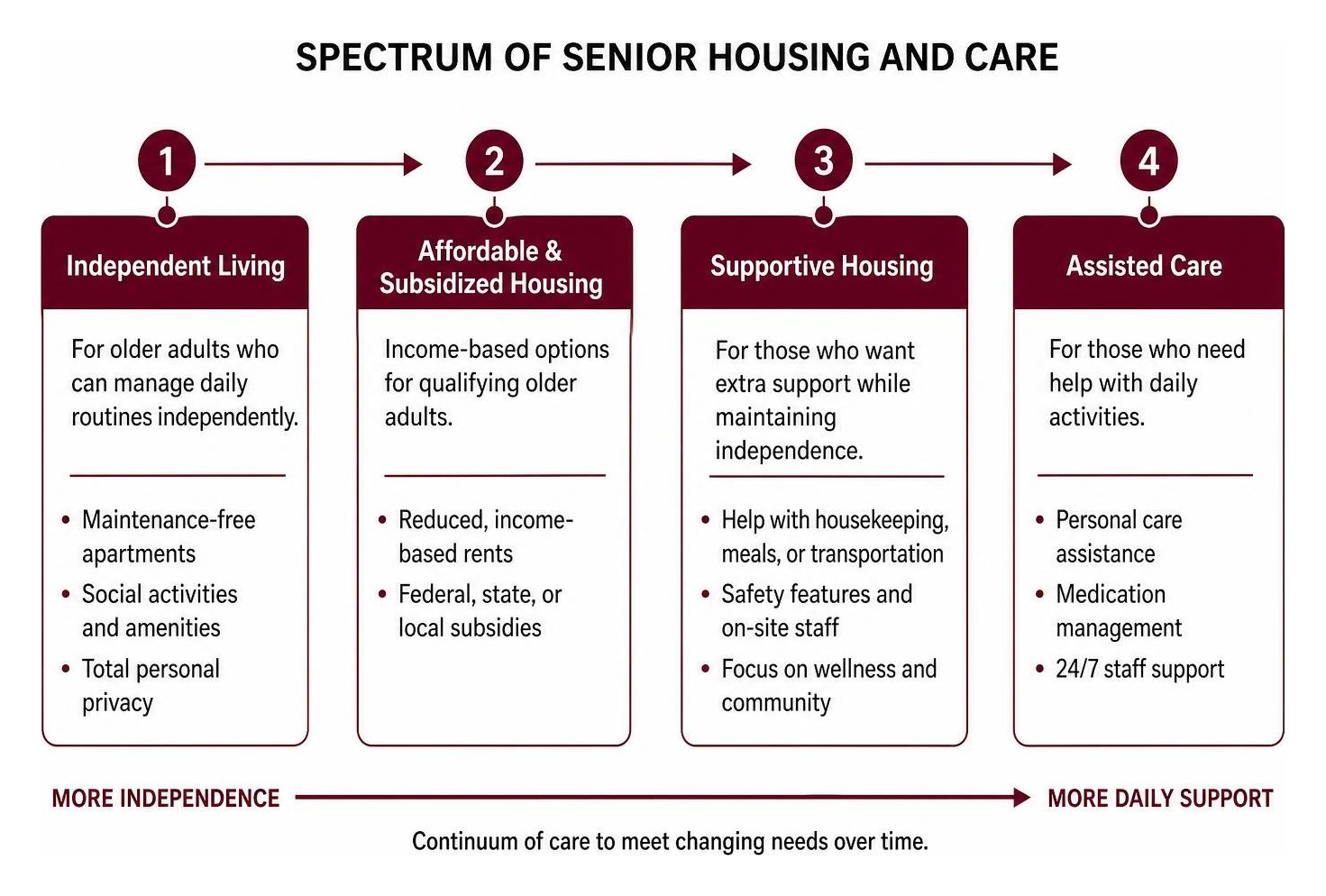
Understanding Your Housing Options: From Independent to Full-Time Care

Finding the right home starts with knowing what’s out there. Housing resources for disabled individuals aren’t one-size-fits-all, ranging from independent apartments to facilities with round-the-clock care. At LifeSTEPS, we know the best choice matches your specific needs and goals through our whole-person approach.

A split-screen showing different housing environments: an accessible apartment, a supportive group setting, and a long-term care facility. - Housing resources for disabled

Let’s walk through the main housing types:

Supportive housing combines affordable living with services to help you thrive. You get your own space with customized support, which might include help with daily tasks, medication reminders, or connection to community resources.

Assisted living facilities offer help with personal care like bathing, dressing, and medication management. Residents typically have private or semi-private rooms and shared social activities, suitable for those who need daily assistance but not intensive medical supervision.

Long-term care homes (nursing homes) provide 24-hour skilled nursing care for individuals with complex medical needs requiring constant monitoring.

Transitional living programs offer temporary housing (6-18 months) as a bridge to permanent community living. You get a safe place to stay while learning to manage finances, use public transportation, and connect with resources, preparing you for long-term success.

Independent living puts you in control. Independent Living Centers (ILCs), run by people with disabilities, are powerful allies. They provide peer support, advocacy, and practical assistance while respecting your autonomy.

Community-based housing includes various options integrated into regular neighborhoods, such as apartments with accessibility features or shared living arrangements.

Key Differences in Housing Models

The differences can be overwhelming, so here’s a breakdown:

Feature Supportive Housing Assisted Living Long-Term Care Homes
Level of Independence High, with integrated supports Moderate, assistance with daily activities Low, comprehensive medical and personal care
On-site Support Varies, often includes personal care, case management Assistance with ADLs, medication, meals 24/7 skilled nursing care, medical supervision
Cost Structure Often subsidized, rent-geared-to-income Private pay, some state/federal assistance Covered by Medicaid/Medicare for eligible, private pay
Typical Resident Profile Individuals needing support to live independently Individuals needing help with daily tasks but not constant medical care Individuals with complex medical needs requiring continuous nursing

At LifeSTEPS, our philosophy aligns with empowering individuals through measurable outcomes. Our programs provide wraparound services including financial literacy, academic support through our Summer Reading Program (achieving 97% literacy maintenance/improvement), and health services through our award-winning RN program. We’ve maintained a 93% housing retention rate because we know stable housing requires comprehensive support customized to each person, creating lasting change that breaks generational poverty.

More info about our programs and services

The Search for Affordable & Accessible Housing

Finding a place to call home shouldn’t be an impossible puzzle. The reality is that housing resources for disabled individuals exist—you just need to know where to look.

A person in a wheelchair using a laptop to browse a housing registry website. - Housing resources for disabled

Financial Assistance and Subsidies

Rent can easily consume an entire disability benefit check. Rental assistance programs are lifesavers.

Housing Choice Vouchers (Section 8) are powerful tools. They allow you to rent in the private market while the program pays a portion of your rent to the landlord. You typically pay about 30% of your income toward rent. The U.S. Department of Housing and Urban Development (HUD) oversees many of these programs. Rent supplements work similarly, bridging the gap between market rents and what you can afford.

At LifeSTEPS, we’ve seen how rental assistance transforms lives. Through our collaboration with the Family Self-Sufficiency (FSS) program and our whole-person approach, we help clients use subsidies as a foundation for financial independence. Our 93% housing retention rate through rental assistance speaks to the power of combining financial support with comprehensive wraparound services including financial literacy training, health services, and education programs that have awarded over $2.1 million in scholarships.

Learn about LifeSTEPS rental assistance and support

How to Find and Apply for Subsidized Housing

Patience is key, as the wait for subsidized housing can be 2 to 10 years. Understanding the process helps.

  • Find centralized waiting lists in your region through your local housing agency. Get on multiple lists to increase your opportunities.
  • Specify your accessibility needs clearly on applications (e.g., roll-in shower, zero-step entry). This ensures you’re matched with suitable units.
  • Ask about priority status. You may qualify for faster placement if you are homeless, at risk of homelessness, or have certain medical conditions. Veterans often receive priority.
  • Gather your documents early. You’ll need proof of income, disability status, and household composition.

Key Organizations That Can Help

You don’t have to navigate this maze alone.

LifeSTEPS provides comprehensive housing support services in Sacramento and throughout California. We create personalized housing plans and provide the wraparound services that make stability last, including our award-winning RN program that reduces hospitalizations and saves $1.1 million annually per site.

Independent Living Centers are run by people with disabilities and offer information, referrals, advocacy, and direct housing assistance.

The U.S. Department of Housing and Urban Development (HUD) maintains extensive resources on its website, including lists of HUD-sponsored housing counseling agencies.

Housing Rights Center is a large nonprofit fair housing organization that can help if you experience discrimination or need to request reasonable accommodations.

FindHelp.org is an online tool to locate affordable housing and disability-specific resources in your area.

At LifeSTEPS, we can help you connect with the right resources for your situation. Contact us at (916) 965-0110.

Find a local housing help center

Specialized Housing Resources for Disabled Individuals

Finding the right housing often requires a personalized approach. At LifeSTEPS, we know housing is the foundation for a thriving life. That’s why we focus on whole-person support, integrating housing with health services, education programs, and financial empowerment. Our 93% housing retention rate through rental assistance represents real people building stable, fulfilling lives, supported by programs that have awarded over $2.1 million in scholarships and health services that save $1.1 million annually per site.

A support group meeting, showing people with different disabilities sharing and connecting. - Housing resources for disabled

Finding Housing for Developmental or Physical Disabilities

For those with developmental or physical disabilities, accessibility is essential. Specialized housing resources for disabled individuals can help.

Housing navigation support from organizations like Independent Living Centers can make all the difference. A navigator helps assess your needs, identifies options, and guides you through applications. Group living options, like collaborative housing in single-family homes, can also provide affordable, supportive community environments. Registries like the Accessible Housing Program (AcHP) in Los Angeles can help you find accessible units.

When looking at homes, check for key accessibility features: zero-step entry, wide doorways (at least 36 inches), lever-style door handles, roll-in showers, grab bars, reachable light switches, and open under-sink clearance for wheelchair users.

Housing Resources for Individuals with Mental Health Needs

A stable home is crucial for mental health recovery. Specialized housing programs focus on creating supportive environments with integrated services. Supportive communities and peer support through Independent Living Centers reduce isolation and create a sense of belonging. For veterans, specialized transitional housing programs can offer support for PTSD, traumatic brain injury, and substance use disorders.

Tenancy preservation support helps prevent eviction. If you face housing instability due to a disability, services can provide legal aid, mediation, and connections to mental health support. At LifeSTEPS, our high retention rate reflects our commitment to keeping people housed through comprehensive wraparound services including mental wellness programs, financial literacy training, and our award-winning RN program.

As a caregiver, your support is invaluable. You can help by:

  • Navigating systems: Help organize documents, track deadlines, and follow up with housing authorities.
  • Advocacy: Communicate specific needs to providers and request reasonable accommodations.
  • Financial planning: Help create a budget and understand subsidies to ensure long-term stability.
  • Emotional support: Offer encouragement and reassurance during a long and often frustrating process.
  • Creating a housing plan: Work with the individual and organizations like LifeSTEPS to develop a comprehensive plan for finding the right housing.

More info about our programs and services

Your Rights and Making a Home Accessible

Finding a home is just one part of the journey. Understanding your legal protections and how to make your space livable is key to thriving. Federal laws like the Fair Housing Act and the Americans with Disabilities Act (ADA) are on your side, ensuring equal access to housing.

Understanding Your Housing Rights

Under federal law, like the Fair Housing Act, housing providers cannot refuse to rent to you or treat you differently because of a disability.

You have the right to request reasonable accommodations—changes to rules or policies that give you equal access. This could be an exception to a no-pets policy for a service animal. You also have the right to request reasonable modifications—physical changes to your space, like installing grab bars or a ramp. In rentals, you may have to pay for modifications, but this can vary.

If you believe your rights have been violated, you can file a complaint. Legal aid resources are available to ensure you’re treated fairly. At LifeSTEPS, we help residents understand and exercise their rights through our whole-person approach, which contributes to our 93% housing retention rate through rental assistance.

Housing rights and resources

Funding and Resources for Home Modifications

Making your home accessible doesn’t have to be prohibitively expensive. Several funding sources can help.

Home modification grants are often available through local housing departments for low-income seniors and people with disabilities. State vocational rehabilitation agencies may cover costs if modifications help you work. Medicaid waiver programs can also cover modifications that allow people to live in the community instead of institutions.

The connection between accessible housing and health is clear. At LifeSTEPS, our award-winning RN program has shown how proper housing reduces hospitalizations, saving approximately $1.1 million annually per site while improving wellness and supporting aging in place. An accessible home is a foundation for independence and health. Independent Living Centers can provide accessibility checklists to help you prioritize changes.

An accessible home isn’t a luxury. It’s a foundation for independence, health, and the kind of stability that allows you to build the life you want. Whether you’re working with housing resources for disabled individuals through LifeSTEPS or other community partners, know that making your space work for you is both your right and an investment in your future.

Frequently Asked Questions about Housing for People with Disabilities

We know the housing search can be overwhelming. These are some of the most common questions we hear.

Does having a disability give me priority on a housing waitlist?

No, having a disability alone doesn’t automatically move you up most waitlists. However, your disability status is still important.

When you apply, clearly specify your accessibility needs (e.g., wheelchair-accessible unit) to be matched with appropriate housing. More importantly, ask about priority criteria. Many programs give preference to people who are homeless, at risk of homelessness, or have certain urgent medical conditions. Veterans also often receive priority. Always ask, as you might qualify for a preference you didn’t know existed.

You have rights and resources to help you stay housed. Tenancy preservation support programs can mediate with landlords and address underlying issues. At LifeSTEPS, our 93% housing retention rate through rental assistance reflects our focus on preventing homelessness through our whole-person approach, including financial literacy programs and wraparound support services.

Under the Fair Housing Act, you can request reasonable accommodations from your landlord. If you are facing discrimination, legal assistance is available. Many organizations also offer eviction prevention services, including financial help for back rent. The earlier you seek help, the more options you’ll have.

What is the difference between supportive housing and assisted living?

These terms are often confused, but they serve different needs.

Supportive housing is built around independence. You have your own apartment, and integrated services like case management and life skills training are available to help you live independently. Rent is often subsidized and tied to your income. At LifeSTEPS, we provide this whole-person approach, supporting health through our award-winning RN program (saving $1.1 million annually per site), education through programs that have awarded over $2.1 million in scholarships, and financial well-being through literacy programs.

Assisted living is a facility where staff provide hands-on help with daily activities like bathing, dressing, and medication. It involves less independence and a more managed residential environment. It is primarily private pay and is a good choice for people who need consistent daily help but not 24/7 skilled nursing care.

Essentially, supportive housing helps you live your life in the community, while assisted living provides a safe place where staff can help you with daily tasks.

Contact us for support or call (916) 965-0110

Conclusion: Taking the Next Step Towards Stability

You’ve made it through the maze. You know that finding housing resources for disabled individuals isn’t simple. The shortages are real, and the wait times are long. But remember: you deserve a stable home, and with the right support, you can find one.

A stable home is the foundation for your health, financial future, and sense of community. At LifeSTEPS, we see this measurable change happen every day through our whole-person approach.

Our 93% housing retention rate through rental assistance is more than a statistic—it’s hundreds of stories of people who stayed in their homes. We’ve helped residents achieve homeownership through our Family Self-Sufficiency (FSS) program. We’ve awarded over $2.1 million in scholarships to break generational poverty and open doors to education. Our Summer Reading Program maintains or improves literacy for 97% of participants. And our award-winning RN program has kept residents healthier, saving $1.1 million annually per site while supporting aging in place and improving quality of life. This whole-person approach—combining housing stabilization, financial literacy, academic support, and mental wellness—is what creates lasting stability and community empowerment.

A person with a disability smiling as they hold the keys to their new apartment. - Housing resources for disabled

What’s your next step? Take one action today. Call your local housing authority, reach out to an Independent Living Center, or contact us at LifeSTEPS. Persistence matters.

You don’t have to do this alone. Organizations like LifeSTEPS exist to walk alongside you. Your future home is out there. With advocacy and persistence, you can find a place where you’re not just housed, but truly at home.

Find affordable homes for disabled adults

Contact us for support

LifeSTEPS, 3247 Ramos Cir, Sacramento, CA 95827 | Phone: (916) 965-0110 | https://lifestepsusa.org