Tag Archive for: affordable housing

based on income apartments downtown

Based on Income Apartments Downtown: Yes, You Can Live in the City Center!

Based on Income Apartments Downtown: Yes, You Can Live in the City Center!

Yes, You Can Live Downtown on a Limited Income

Based on income apartments downtown are real, available, and more accessible than most people think — especially in California cities like Los Angeles, Oakland, San Jose, and San Diego.

Here is a quick overview of how they work:

  • What they are: Rental apartments where your rent is tied to your household income, not a fixed market rate
  • Who qualifies: Generally households earning at or below 60% of the Area Median Income (AMI) for their city
  • How much you pay: Typically around 30% of your gross income toward rent, with utility allowances factored in
  • Where to look: City housing portals, local housing authorities, and nonprofit organizations like LifeSTEPS
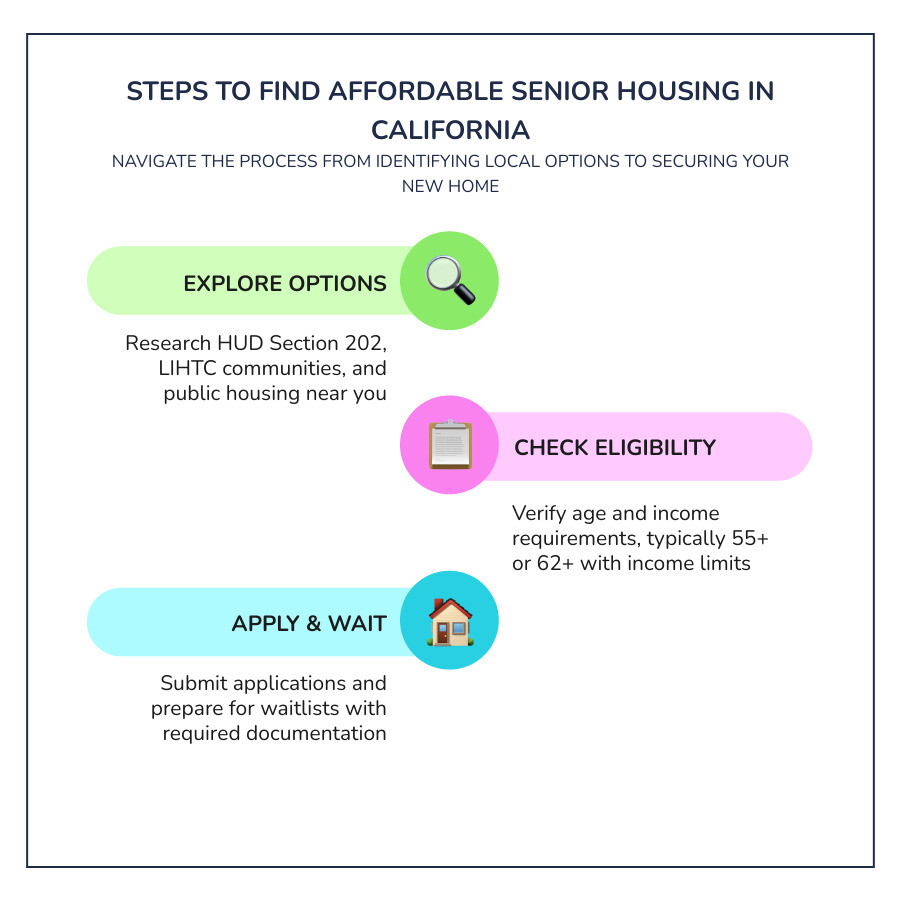
  • How to apply: Submit an application to individual properties, join a waitlist, and gather income verification documents

For veterans transitioning to civilian life, affordable downtown housing can be a critical first step toward stability. Living close to transit, services, and employment makes a real difference — and programs exist specifically to help you get there.

The sections below walk you through exactly how to find, qualify for, and apply to income-based apartments in California’s urban centers.

Step-by-step infographic: How to apply for affordable downtown housing in California infographic

Quick based on income apartments downtown definitions:

Understanding Based on Income Apartments Downtown

To successfully secure an apartment in a bustling city center, it helps to understand how the government and developers define “affordable.” Affordable housing programs do not use a one-size-fits-all number. Instead, they rely on a metric called the Area Median Income (AMI).

The AMI is calculated every year by the federal government for different regions. It serves as the baseline for determining who qualifies for housing assistance. For most programs, eligibility is divided into specific tiers:

  • Moderate Income: Households earning between 80% and 120% of the AMI.
  • Low Income: Households earning at or below 80% of the AMI.
  • Very Low Income: Households earning at or below 50% of the AMI.
  • Extremely Low Income: Households earning at or below 30% of the AMI.

Because median incomes are much higher in metropolitan areas, the actual dollar limits can vary significantly by location and household size. For example, a single person applying for housing in a high-cost area will have a lower income limit than a family of four in the same city.

Once your eligibility is established, your rent is calculated using specific rent limits. In programs that are strictly “income-based,” your rent is capped at exactly 30% of your household’s adjusted gross monthly income. If your income drops, your rent drops. In other “income-restricted” properties, the rent is fixed at a below-market rate designated for a specific AMI tier (such as a flat rent set for households at the 60% AMI level).

To keep housing truly affordable, programs also factor in utility allowances. If you are responsible for paying your own electricity or gas, the property management team must deduct a standardized utility allowance from your monthly rent payment. This ensures that your combined housing and utility costs do not exceed your budget.

If you are looking for opportunities in Southern California, you can explore the official portal for affordable housing programs in Los Angeles to see how these limits are applied in real-time. For a broader look at how these properties operate, check out our comprehensive guide on income-restricted rentals.

Key Differences: Section 8, Public Housing, and Private Income-Restricted Units

As you begin your search for based on income apartments downtown, you will quickly realize there are three primary paths to securing an affordable unit. While they all aim to make city living affordable, they operate very differently.

1. Section 8 (Housing Choice Vouchers)

The Section 8 program provides tenant-based vouchers. This means the assistance is tied to you, not a specific building. If you receive a voucher from your local housing authority, you can choose any privately owned apartment that meets HUD safety standards and falls within the payment standard. You will pay roughly 30% of your income toward rent, and the government pays the rest directly to your landlord. The major benefit is portability; you can move and take your voucher with you.

2. Public Housing

Public housing consists of communities owned and managed directly by local public housing authorities. The rent is also based on 30% of your income, but the assistance is tied to the building. If you move out of a public housing development, you leave the rental assistance behind.

3. Privately Owned, Income-Restricted Units

Many of the newest, most modern downtown apartment buildings are privately owned but offer affordable units. Developers often build these in exchange for federal Low-Income Housing Tax Credits (LIHTC) or local zoning incentives. In these properties, a certain percentage of the units are set aside for households earning 50% to 60% of the AMI. The rent is capped at a fixed, predictable rate rather than fluctuating with your personal income month-to-month.

To explore options across the state, you can browse low-income rentals in California to see what private and subsidized units are currently on the market. If you are new to this process, we recommend starting with our resource on income-based apartments for beginners to build your foundational knowledge.

How to Find and Apply for Affordable Housing in California Cities

A diverse group of neighbors working together in a lush downtown community garden

Finding a home in a highly competitive downtown market requires patience, organization, and a clear strategy. Because affordable units are in high demand, you must actively leverage local resources in the specific city where you want to live.

Here is how to search in key California cities as of June 2026:

  • Los Angeles: The City of Los Angeles hosts a centralized affordable housing portal where you can search by neighborhood, budget, and bedroom size.
  • San Diego: The San Diego Housing Commission provides a robust directory of affordable housing developments. You can search their updated listings via the Affordable Rentals – SDHC – San Diego Housing Commission page.
  • Riverside: Riverside offers several designated low-income properties near its historic downtown center. You can check current listings and property details using Low Income Apartments for Rent in Riverside CA – 5 Rentals.
  • Irvine: Known for master-planned communities, Irvine integrates affordable units directly into its modern apartment complexes. To find these options, explore the affordable housing options in Irvine resource.
  • Oakland & San Jose: In the Bay Area, local municipal housing portals and regional directories, such as the Doorway Housing Portal, are the best places to track down open waiting lists and active lotteries for downtown properties.

If you are expanding your search, using a localized tool like income-based apartments near me can help you pinpoint complexes offering below-market rents in your preferred zip codes.

Because the demand for affordable housing in California’s urban centers is high, almost every downtown property utilizes a waiting list. These lists generally operate in one of two ways:

  1. Chronological (First-Come, First-Served): Applicants are placed on the list in the exact order their application is received.
  2. Lottery Systems: When a new building opens or a waitlist briefly unlocks, the property manager collects basic information from all applicants during a set window and runs a randomized lottery to determine placement.

To improve your chances, apply to as many open waiting lists as possible. Never pay a fee to join a legitimate affordable housing waitlist. Once you are on a list, it is your responsibility to keep your contact information updated. If the property manager tries to contact you for an update and your phone number or email has changed, you may be removed from the list entirely. If your application is rejected, the property is legally required to send you a written rejection notice, which you have the right to appeal.

Screening Criteria for Based on Income Apartments Downtown

Securing a spot on a waitlist is only the first step. Once your name reaches the top, the property management team will conduct a thorough tenant screening process. Knowing what they look for can help you prepare:

  • Credit Checks: While property managers of affordable housing are often more lenient than luxury market-rate landlords, they will still review your credit history. They are primarily looking for unpaid utility bills, recent bankruptcies, or debts owed to previous landlords.
  • Background Screening: A standard criminal background check and eviction history screening are routine. Having an eviction on your record within the last three to five years can make qualification more difficult.
  • Income Verification: You must prove that you earn enough to pay the rent but not so much that you exceed the AMI limits. Property managers typically require your most recent federal tax returns, consecutive paystubs, bank statements, and benefit award letters (such as SSI or VA benefits). All verification documents must be dated within 90 days of your move-in date.
  • Rent-to-Income Ratio: Even in affordable housing, landlords want to see that you have stable income. They typically require your gross household income to be at least 2 to 3 times your share of the contract rent.

Frequently Asked Questions About Affordable Downtown Living

What is the difference between income-restricted and income-based housing?

The primary difference lies in how your monthly rent is calculated. In income-based housing, your rent is dynamic and directly tied to your household earnings. If your income changes, your rent is adjusted so that you always pay roughly thirty percent of your income.

In income-restricted housing, the rent is fixed based on predetermined Area Median Income (AMI) limits. For example, a studio apartment might have a flat rent of $1,500 per month, reserved strictly for households earning 60% or less of the AMI. If your income changes, your rent remains the same, provided you still fall within the program’s overall eligibility guidelines.

Do downtown affordable apartments offer the same amenities as market-rate units?

Yes! Many modern affordable units are located within mixed-income buildings. This means affordable units and market-rate units are housed in the same building, sharing the exact same amenities.

A diverse group of adults sitting in a circle of chairs chatting in a warm, welcoming community room

These buildings often feature high-end community spaces, fitness centers, rooftop lounges, and shared laundry facilities. Many of these downtown properties are built with LEED energy-saving certifications, which can lower your electricity and water costs by 20% to 45%. Living downtown also provides excellent transit access, allowing you to walk or take public light rail to work, saving hundreds of dollars a month on car expenses. You can see an example of these high-quality urban spaces by exploring affordable housing options in downtown Los Angeles.

How does the annual recertification process work?

To remain in an income-restricted or income-based apartment, you must complete an annual recertification process. Every year, about 60 to 90 days before your lease renewal, the property manager will ask you to submit updated income verification and household size documentation.

This compliance review ensures that your household still meets the program’s requirements. If your income has increased slightly, you will usually be allowed to renew your lease, though your rent may adjust upward to match your new income bracket. If your income has increased significantly beyond the maximum limits, the property manager will work with you on a transition plan, giving you ample notice before you are required to transition to market-rate housing.

Conclusion

Securing one of the many based on income apartments downtown is a highly effective way to build a stable, vibrant life in the heart of the city. While the application and waitlist processes require diligence, the payoff of living in a walkable, resource-rich downtown neighborhood is immense.

At LifeSTEPS, we are dedicated to helping Californians transition to stable housing and long-term self-sufficiency. We are proud of our ninety-three percent housing retention rate, which reflects our commitment to keeping individuals and families securely housed. Through our partnership with the CalAIM program, we are able to offer critical deposit assistance, which can cover up to 1 month paid in advance to help you secure your new home.

Our support does not stop at housing. We collaborate with programs like the Family Self-Sufficiency (FSS) initiative to help our clients, including veterans, build assets and establish clear pathways to homeownership. We also believe in empowering the next generation. Our educational programs have achieved a ninety-seven percent literacy improvement through our Summer Reading initiative, and we have awarded over $2.1M in higher education scholarships to help students reach their academic dreams.

If you are ready to take the next step toward a stable, supportive home in California, we invite you to explore the LifeSTEPS programs and services page to see how we can assist you.

LifeSTEPS | Phone: (916) 965-2110 | LifeSTEPS

LifeSTEPS currently provides services in California only.

family in a stable California home - help to avoid eviction

The Ultimate Guide to Government Homeowner Relief and Assistance Programs

The Ultimate Guide to Government Homeowner Relief and Assistance Programs

When You Need Help Keeping or Buying a Home: What a Homeownership Relief Program Actually Covers


A homeownership relief program is a government-funded initiative that helps households avoid foreclosure, catch up on mortgage payments, cover property taxes, or access down payment assistance. Here is a quick overview of your main options:

  • Federal programs – The Homeowner Assistance Fund (HAF) provided $9.96 billion nationwide to help homeowners impacted by COVID-19. Most state programs have now closed or nearly exhausted their funds.
  • California disaster relief – The CalAssist Mortgage Fund offers up to $100,000 (12 months of payments) for homeowners whose primary residence was damaged or destroyed by a qualifying disaster.
  • Local programs – County and city programs, like Chicago’s Cook County Homeowner Relief Fund, have offered one-time payments to households hit by sudden cost increases.
  • Proposed federal grants – The Home of Your Own Act of 2025 proposes $30,000 grants for first-time buyers earning up to 120% of area median income.

Millions of Americans have needed help at some point. Through September 2025, the federal HAF program alone delivered nearly $7.9 billion in assistance to more than 610,000 struggling homeowners — 85% of whom earned below the area median income. For veterans transitioning to civilian life, the path to stable housing can feel especially uncertain. Knowing which programs exist, and whether you qualify, is the first step.

This guide breaks down the landscape clearly — from federal funds to California-specific programs — so you can find the right support for your situation.

Federal vs state homeowner relief programs overview infographic infographic

Homeownership relief program terms you need:

Homeowner reviewing financial documents to apply for assistance

When financial challenges arise, finding a homeownership relief program that fits your exact needs can feel overwhelming. Programs generally fall into two categories: local relief (administered by cities, counties, or local non-profits) and federal relief (funded by the federal government and administered by states or territories).

To qualify for most programs, you will need to meet specific eligibility criteria, which often include:

  • Proof of occupancy (the home must be your primary residence).
  • Income limits tied to your county’s Area Median Income (AMI).
  • Documentation of financial hardship (such as job loss, medical bills, or natural disaster impacts).

If you are looking to buy rather than save an existing home, exploring Homeownership Assistance and Low Income Homeownership Programs can open doors to down payment grants and specialized mortgage products.

The Role of the Federal Homeowner Assistance Fund (HAF) as a National Homeownership Relief Program

Established under the American Rescue Plan Act of 2021, the federal Homeowner Assistance Fund allocated $9.961 billion to prevent mortgage delinquencies, defaults, foreclosures, and utility displacements. Codified under 15 USC 9058d: Homeowner Assistance Fund, this massive federal effort was designed to support the country’s most vulnerable populations.

According to data compiled by the Homeowner Assistance Fund — NCSHA, the program has achieved remarkable milestones:

  • Over 549,000 homeowners were assisted through June 2024.
  • By September 2025, HAF delivered nearly $7.9 billion to more than 610,000 struggling families, expending 95% of its total allocation.
  • The program prioritized equity: 85% of recipients had incomes below the Area Median Income (AMI), with 51% earning less than 50% of their local AMI.
  • Demographic outreach was highly effective, with 40% of beneficiaries identifying as Black and 19% identifying as Latino.

State-Level Implementation and Program Status

Because HAF was distributed federally but managed locally, state-by-state variations emerged. Each state designed its own portal, rules, and timelines. Some states closed their portals early after quickly exhausting funds, while others established waitlists or periodically reopened applications as remaining funds were reallocated.

For example, the Oregon Housing and Community Services : Homeowner Assistance Fund : Homebuyers & Homeowners : State of Oregon program offered up to $50,000 in mortgage relief to eligible households but operated strictly on a first-completed, first-served basis.

In California, the HAF allocation funded the highly successful California Mortgage Relief Program. As these pandemic-era federal programs wind down, prospective buyers and struggling owners must look to alternative grants. To explore what is currently active near you, consult The 2026 Guide to Every First Home Loan Grant.

California’s Disaster Recovery and Mortgage Relief Initiatives

California residential neighborhood recovery and rebuilding setting

California homeowners face unique environmental and financial challenges. From devastating wildfires to severe winter flooding, natural disasters can instantly disrupt housing stability. Fortunately, the California Housing Finance Agency (CalHFA) and state-backed programs like the California Mortgage Relief Program provide critical lifelines for disaster survivors.

California’s CalAssist: A State-Level Homeownership Relief Program for Disaster Survivors

In response to the increasing frequency of natural disasters, Governor Newsom’s February 2026 expansion of the CalAssist Mortgage Fund significantly boosted aid for survivors of recent declared disasters.

This major policy shift expanded the safety net in several key ways:

  • Four-Fold Payment Increase: The relief period expanded from 3 months to 12 months of mortgage payments.
  • Higher Maximum Cap: Maximum assistance jumped from $20,000 to $100,000 per household.
  • Proven Impact: The program has already paid $6.5 million to 793 recipients, with substantial funding remaining to help survivors rebuild.
  • Updated Income Eligibility: Income limits were raised to reflect California’s high cost of living. For instance, the limit is now $281,400 in Los Angeles County and $255,000 in Butte County.

These funds are paid directly to mortgage servicers and are entirely non-repayable, allowing survivors to focus on rebuilding their lives without accumulating additional debt.

ReCoverCA Homebuyer Assistance Program

For low-to-moderate-income families whose homes were destroyed by disasters, rebuilding in high-risk zones is not always the safest option. The ReCoverCA Homebuyer Assistance program, funded by HUD Community Development Block Grant – Disaster Recovery (CDBG-DR) grants, takes a different approach by helping families relocate to safer, lower-risk areas.

Key features of ReCoverCA include:

  • Substantial Financial Aid: Offers up to $350,000 for survivors of 2017/18 fires and up to $300,000 for survivors of 2023/24 floods.
  • Forgivable Loan Structure: Operates as a zero-interest loan that is fully forgiven over time, provided the recipient maintains the new property as their primary residence.
  • Geographic Focus: Restricts purchases to safer, lower-risk fire and flood zones within California, ensuring long-term physical and financial security for relocated families.

Localized Relief Programs: Lessons from Cook County and Chicago

While California remains our primary focus, looking at localized programs in other parts of the country offers valuable lessons on how local governments can step in when federal funds dry up.

A prime example is the Cook County Homeowner Relief Fund in Illinois. This $15 million program was designed to provide rapid, one-time payments of $1,000 to approximately 14,000 households that experienced sudden, substantial property tax increases. Administered by a third-party platform called AidKit, the program utilized a streamlined two-phase application process to minimize applicant burden. The application portal officially closed on October 31, 2025, demonstrating how targeted municipal relief can provide quick, short-term stabilization.

Alternative Local Resources for Financial Hardship

Once emergency funds close, residents must rely on permanent local infrastructure. In Cook County, homeowners are directed to the Assessor’s Office for property tax exemptions or the Treasurer’s Office for delinquent tax payment plans.

Similarly, the Chicago Department of Housing maintains permanent programs such as:

  • Emergency Heating Repair Program: Repairing or replacing primary home heating systems during winter.
  • Small Accessible Repairs for Seniors (SARFS): Providing safety and accessibility modifications for low-income seniors.

In California, similar localized infrastructure exists. Homeowners in Southern California can access localized support through the San Diego Housing Commission First-Time Homebuyer Programs or the housing division of the Housing | County of Riverside, CA. Additionally, those utilizing housing choice vouchers can explore options like Section 8 Homeownership to transition from renting to owning.

Future Outlook: Federal Legislation and First-Time Buyer Grants

As local and state pandemic-era relief funds wind down, legislative attention has shifted toward long-term homeownership assistance. The most notable proposal is the H. R. 2064: Home of Your Own Act of 2025.

If passed, this bill would authorize $6.7 billion annually from fiscal years 2026 through 2030 to establish a national homeownership grant program.

Key details of the proposed Home of Your Own Act include:

  • $30,000 One-Time Grants: Available to eligible first-time homebuyers to cover down payments, closing costs, or pre-occupancy repairs.
  • Occupancy Requirement: Homeowners must occupy the home as their primary residence for at least 60 months (5 years), or face proportional repayment requirements.
  • Income Limits: Capped at 120% of Area Median Income (or 150% in high-cost areas).
  • Mandatory Education: Applicants must complete an approved financial counseling course prior to receiving funds. For a deeper look at qualifying with moderate earnings, see A Practical Guide to Homeownership Assistance for Moderate Income.

Comparing Key Homeowner Relief and Assistance Programs

Program / Bill Maximum Assistance Primary Purpose Key Eligibility Criteria
Federal HAF Varies by state (up to $50k in some states) Mortgage and utility reinstatement COVID-19 hardship; income below 150% AMI
California CalAssist Up to $100,000 (12 months of payments) Mortgage relief for natural disaster survivors Primary residence destroyed/uninhabitable; County AMI limits
Home of Your Own Act (Proposed) $30,000 Down payment & closing cost grants First-time buyer; income below 120% AMI; 5-year occupancy

Frequently Asked Questions about Homeowner Relief

What is the difference between federal HAF and local relief programs?

Federal HAF (Homeowner Assistance Fund) programs are large-scale, federally funded initiatives established under the American Rescue Plan Act to address pandemic-related financial hardships. Local relief programs are funded and run by city or county governments (or local non-profits) to address localized issues, such as sudden property tax hikes, emergency home repairs, or local natural disasters.

Who qualifies for California’s expanded CalAssist mortgage relief?

To qualify for the expanded CalAssist Mortgage Fund, you must be a California homeowner whose primary residence was damaged, destroyed, or rendered uninhabitable by a qualifying declared natural disaster. You must also meet county-specific income limits (such as $281,400 in Los Angeles County) and have your mortgage with a participating servicer.

How do first-generation homebuyer programs work?

First-generation programs target buyers whose parents or guardians have never owned a home (or lost their home to foreclosure). A prime example of this model is Rhode Island’s First-Generation Homebuyer RI | RIHousing pilot, which provides $25,000 in down payment assistance. The assistance is structured as a 0% interest loan that is completely forgiven after 5 years of primary residency, provided the buyer completes HUD-approved homebuyer education.

Conclusion

Navigating the path to stable housing requires the right resources, education, and community support. At LifeSTEPS, we walk alongside individuals transitioning to stable housing and self-sufficiency. Through our collaboration with programs like the Family Self-Sufficiency (FSS) initiative, we empower clients—including veterans—to build the financial foundations necessary for homeownership.

Our commitment to California communities is reflected in our measurable impact:

  • We maintain a 93% housing retention rate across our housing programs.
  • We offer deposit assistance (including 1 month paid in advance) specifically tied to the CalAIM program.
  • We support the next generation through $2.1 million in academic scholarships and have achieved a 97% literacy improvement rate through our Summer Reading program.

Transitioning from renting to owning is a journey. To see how these programs change lives, read about how we help clients take control of their financial futures in our guide on LifeSTEPS Housing and FSS Programs (note: client first names have been changed to protect privacy).

LifeSTEPSusa.org

LifeSTEPS currently provides services in California only.
diverse group of seniors working together in a lush community garden - affordable independent living for seniors

10 Cheaper Alternatives to Affordable Senior Independent Living

10 Cheaper Alternatives to Affordable Senior Independent Living

When Senior Independence Costs Too Much: What You Need to Know

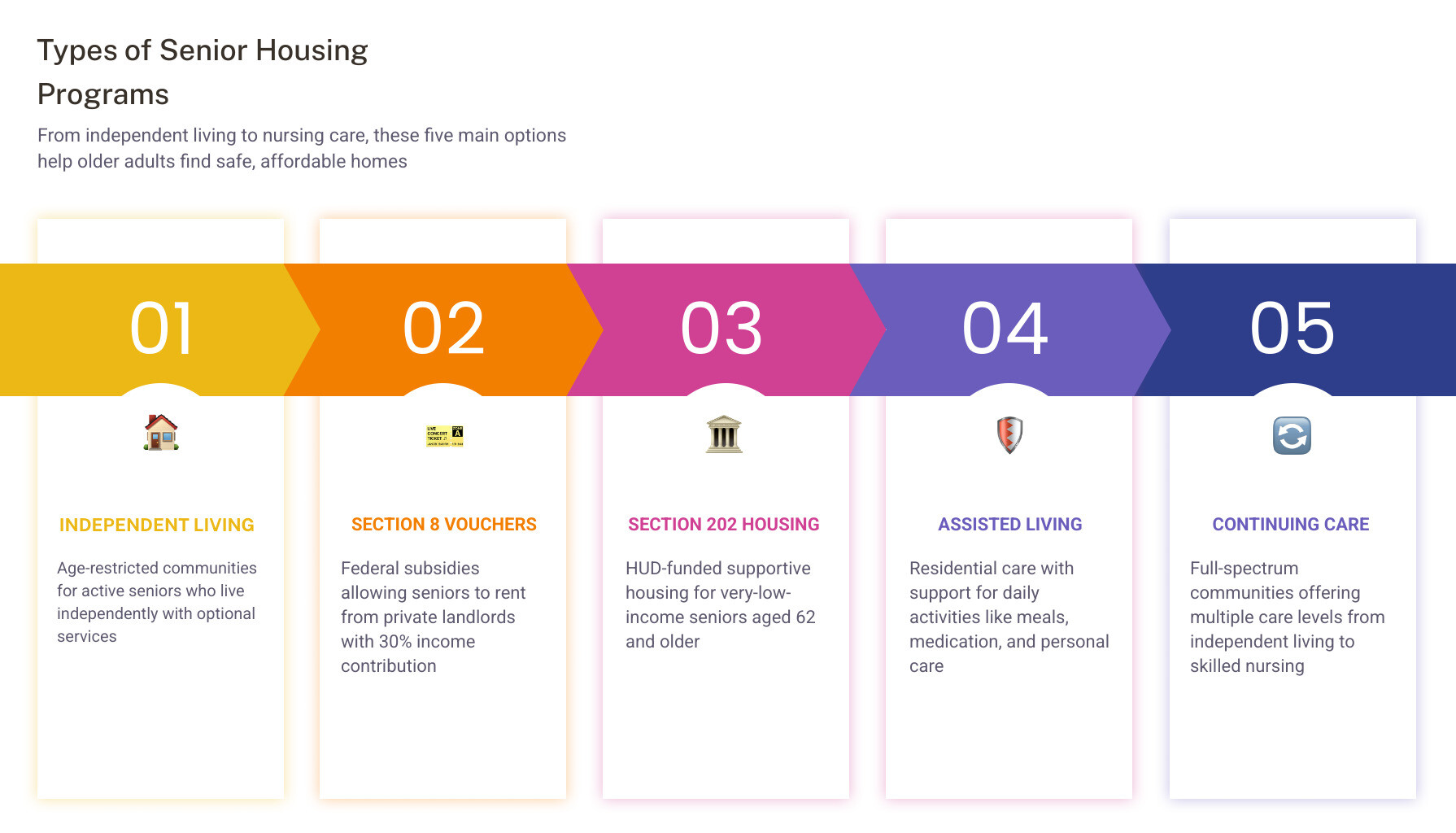
Affordable independent living for seniors is housing designed for older adults who can live on their own — without daily medical care — at a cost that fits a modest or fixed income. Here are the most common lower-cost options available:

  • HUD Section 202 housing — rent capped at 30% of your income, for adults 62+
  • Section 8 Housing Choice Vouchers — subsidized rent in private housing
  • Low-Income Housing Tax Credit (LIHTC) apartments — income-restricted units with below-market rents
  • Senior co-ops — buy a share in a community for long-term stability at lower monthly costs
  • Shared housing / roommate matching — split costs with a vetted housemate
  • Virtual retirement communities — stay in your home with community support, often under $1,200/year
  • Adult family homes — small licensed group homes with shared costs
  • Accessory Dwelling Units (ADUs) — a separate unit on a family member’s property
  • Multigenerational living — move in with family, with home modifications for accessibility
  • Nonprofit-managed apartments — mission-driven communities with below-market rents

The challenge is real. Over 17 million Americans aged 65 and older are living on less than $31,300 a year. The average monthly cost of a standard independent living community runs around $3,239 — and for many seniors, especially veterans transitioning to civilian life, that number is simply out of reach on Social Security alone, which averages just over $17,500 annually.

This guide breaks down 10 genuine alternatives — and how to access them in California.

Infographic comparing types of affordable senior independent living options with cost ranges and eligibility - affordable

LifeSTEPS currently provides services in California only.

Terms related to affordable independent living for seniors:

Understanding the Costs of Independent Living for Seniors

a bright and modern senior apartment interior with accessible features and warm lighting - affordable independent living for

When we talk about the price of aging, the numbers can be startling. While the median cost of independent living sits at $3,239 per month, these prices fluctuate wildly based on where you live in California. In high-demand areas like San Francisco or Irvine, you might see monthly fees climbing toward $4,000, while more inland areas like Riverside or parts of Bakersfield might offer options closer to $1,500.

However, the “sticker price” of rent is only one part of the equation. According to a recent study, a couple retiring today will need about $285,000 just to cover expected medical expenses throughout their retirement. This financial pressure makes finding low-income senior housing guide resources essential for those who want to maintain a maintenance-free lifestyle and social engagement without draining their nest egg.

Traditional independent living typically includes:

  • Private apartments (studios to two-bedrooms).
  • Communal dining options.
  • Housekeeping and laundry services.
  • Social calendars and fitness centers.
  • Security and emergency call systems.

For many, these amenities justify the cost. But for the 6.4 million seniors living below the federal poverty level, we must look toward more creative, subsidized, or shared models to ensure everyone has a safe place to call home.

Qualifying for affordable independent living for seniors via HUD

The Department of Housing and Urban Development (HUD) provides the most robust safety net for seniors through the Section 202 Supportive Housing for the Elderly program. This program is a cornerstone of low-income elderly housing because it specifically targets households where at least one person is 62 or older.

Under Section 202, your rent is strictly capped. You generally pay only 30% of your adjusted gross income toward rent, and the government covers the rest. To qualify, your household income must typically be less than 50% of the local Area Median Income (AMI). In California’s diverse economy, these limits change by county. For example, the income limit for a single occupant in an affordable community might be around $31,350, while a couple might be capped at $35,800.

10 Cheaper Alternatives to Traditional Independent Living

If a traditional $3,200-a-month community isn’t in the cards, don’t lose hope. There are several innovative and time-tested ways to find affordable homes for seniors that offer community and safety at a fraction of the price.

1. Shared Housing and Roommate Matching

Shared housing is making a major comeback. By sharing a home, seniors can split the cost of utilities and rent while gaining built-in social interaction. Online roommate matching platforms and local home-sharing programs help pair seniors with compatible roommates. On average, hosts can earn $850 a month by renting out a spare room, while renters save roughly $750 compared to a one-bedroom apartment.

2. Accessory Dwelling Units (ADUs)

Often called “granny flats,” ADUs are small, self-contained homes built on the same lot as a main house. This allows seniors to live near family while maintaining their own kitchen, bathroom, and privacy. The AARP provides a helpful guide to building an ADU which highlights how these units can be customized with grab bars and no-step entries for safer aging.

3. Senior Cooperatives

In a co-op, you don’t “rent” or “own” a specific unit in the traditional sense; instead, you buy a share in a corporation that owns the building. This model, often found through the Senior Cooperative Foundation’s website, offers long-term housing stability and a vote in how the community is managed. While there is an initial investment, monthly fees are often lower than market-rate apartments.

4. Virtual Retirement Communities

If you love your current home but need the social and support network of a retirement village, look into the Village to Village Network. For a small annual fee (often under $1,200), members get access to volunteer transportation, grocery delivery, and social events without ever having to move.

5. Adult Family Homes

Also known as residential care homes, these are licensed private residences that house a small group of seniors (usually six or fewer). They offer a more intimate, home-like setting where residents share meals and common areas. Because the costs are spread across the group, it can be significantly cheaper than a large-scale facility.

6. Multigenerational living

Moving in with family is the oldest form of “senior living.” To make this work, we recommend open discussions about expectations and potential home modifications. This arrangement is often mutually beneficial, providing seniors with companionship and families with help around the house or with grandchildren.

7. Nonprofit-Managed Apartments

Various nonprofit organizations manage thousands of units specifically for low-income seniors. These communities often feature on-site service coordinators who help residents navigate healthcare and social services.

8. ECHO Housing

Elder Cottage Housing Opportunity (ECHO) units are small, temporary modular homes placed in the backyard of a host family’s house. They are designed to be removed once they are no longer needed, providing a flexible and affordable way to keep loved ones close.

9. Section 8 Housing Choice Vouchers

Low-income seniors can apply for housing choice payment vouchers. While there are often long waiting lists, these vouchers allow you to find your own housing—be it a townhouse or apartment—and pay only a portion of the rent based on your income.

10. Home Sharing Programs

Local nonprofit programs focus on matching seniors experiencing financial uncertainty with stable roommates. This model emphasizes safety through background checks and “match meetings” overseen by social workers.

Finding affordable independent living for seniors in California

California offers unique challenges and resources for those seeking affordable senior housing California. In Los Angeles, programs focus on shared housing and high-density affordable developments. San Diego offers several income-restricted units through various nonprofit housing providers, while the Bay Area utilizes adaptive reuse projects to turn old buildings into veteran-specific housing.

If you are searching for low-income elderly housing near me, your local PHA (Public Housing Agency) is the best place to start. They maintain the lists for Section 8 and Section 202 properties in Riverside, Irvine, and Bakersfield.

Financial Planning for affordable independent living for seniors

Planning for the future requires a clear-eyed look at your monthly budget. We recommend starting with an estimate of your Social Security benefits. While the Social Security Administration recently provided a cost of living adjustment, these increases are often offset by rising healthcare and grocery costs.

Housing Type Estimated Monthly Cost Primary Funding Source
Traditional Independent Living $1,500 – $4,000+ Private Pay / Savings
HUD Section 202 30% of Income Federal Subsidy
Shared Housing $500 – $900 Private Pay / Social Security
Virtual Community $50 – $100 Membership Fees
Adult Family Home $2,000 – $5,000 Private Pay / Medicaid Waivers

To bridge the gap, many seniors look into long-term care insurance. This is a supplementary plan designed to cover costs that standard health insurance won’t. For veterans, the VA offers “Aid and Attendance” benefits, which provide additional monthly payments to help cover the cost of care for those who are housebound or need assistance with daily activities. You can find more details in our senior-living-affordable-housing guide.

Steps to Evaluate and Apply for Senior Housing

Finding the right spot is about more than just the price tag; it’s about the “feel” of the community. When touring potential homes, keep a checklist:

  • Safety Features: Are there grab bars in the bathrooms? Is the building wheelchair accessible?
  • Staff Professionalism: Do the staff members seem engaged and respectful?
  • Resident Interaction: Are people out and about, or does the building feel empty?
  • Dining: If meals are provided, ask to try one. Is the food nutritious and appealing?

The application process for low-income senior housing no waiting list guide options can be rigorous. You will need to provide:

  1. Proof of age (Birth certificate).
  2. Social Security card.
  3. Income verification (Bank statements, tax returns).
  4. Background check authorization.

We suggest contacting your local Area Agency on Aging early. They can help you manage waitlists, which for some HUD properties can range from 1.5 to 2 years.

Frequently Asked Questions

What is the difference between Section 8 and Section 202?

Section 8 (Housing Choice Vouchers) is a portable benefit that you can take to any private landlord who accepts it. Section 202 is “project-based,” meaning the subsidy is tied to a specific apartment building designed specifically for seniors aged 62 and older.

How do income limits work for subsidized senior housing?

Income limits are based on the Area Median Income (AMI). Most programs require you to be “Very Low Income” (50% of AMI) or “Extremely Low Income” (30% of AMI). These numbers are updated annually by HUD and vary significantly between a city like San Francisco and a region like Riverside.

Can veterans use benefits for independent living?

Yes. Veterans and their spouses can often access the VA Aid and Attendance benefit or Housebound allowance. These funds can be added to your pension to help pay for independent living or shared housing costs. Additionally, certain permanent supportive housing projects are dedicated exclusively to veterans.

Conclusion

At LifeSTEPS, we believe that every senior deserves a stable, dignified place to live. Our mission is to provide human-centered support and resources to help individuals achieve self-sufficiency. We are proud of our 93% housing retention rate and our commitment to the community, which includes a 97% literacy improvement in our youth programs and over $2.1M in scholarships awarded to help the next generation.

Through our collaboration with programs like CalAIM, we provide critical support such as deposit assistance—covering 1 month paid in advance to help seniors transition into stable homes. We also work with programs like FSS to help clients, including veterans, achieve the dream of homeownership.

Take the case of Maria (whose name has been changed). Living on a fixed income in Los Angeles, Maria struggled to find a safe apartment after her rent spiked. By working with a service coordinator and accessing low-cost-senior-independent-living resources, she was able to secure a Section 202 unit. Today, Maria is not just housed; she is a leader in her building’s garden club, proving that with the right support, independence is always within reach.

LifeSTEPS | lifestepsusa.org

LifeSTEPS currently provides services in California only.

rental assistance today

Emergency Rental Assistance Today: Your Guide to Government and Local Aid

When You Need Rental Assistance Today: Quick Answers First

If you are searching for rental assistance today, here is where to start right now:

Fastest ways to get help:

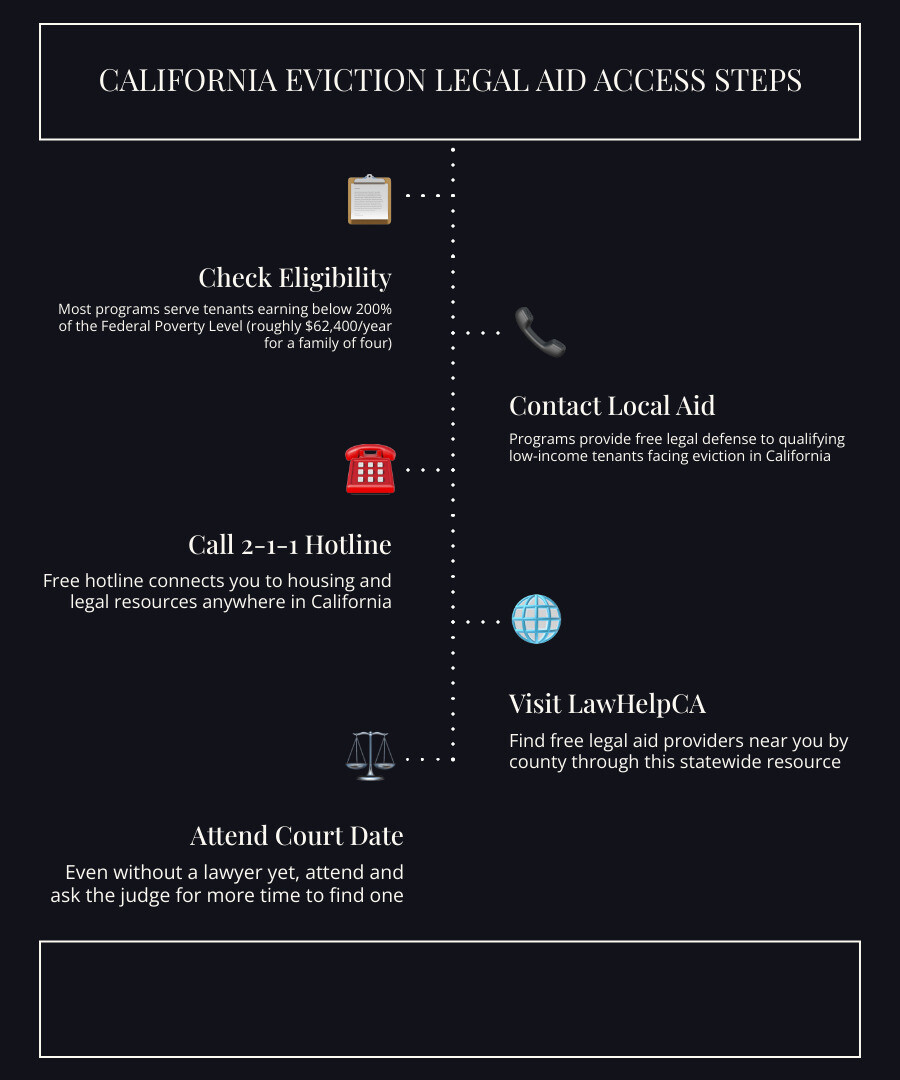
  1. Call 2-1-1 — connects you to local emergency rent programs in California
  2. Visit the LA County Rent Relief website — for LA County residents impacted by wildfires, job loss, or other emergencies
  3. Contact a local nonprofit — Catholic Charities and the Salvation Army Southern California Division offer emergency rental help
  4. Apply for FEMA assistance — if your housing situation was affected by a declared disaster
  5. Reach out to your local housing authority — for Section 8 waitlist status and other longer-term programs

Millions of American households are one missed paycheck away from an eviction notice. In fact, 7.6 million renters face that risk every single year. For recently discharged veterans navigating the transition to civilian life, that pressure can feel even heavier — new city, new budget, new rules.

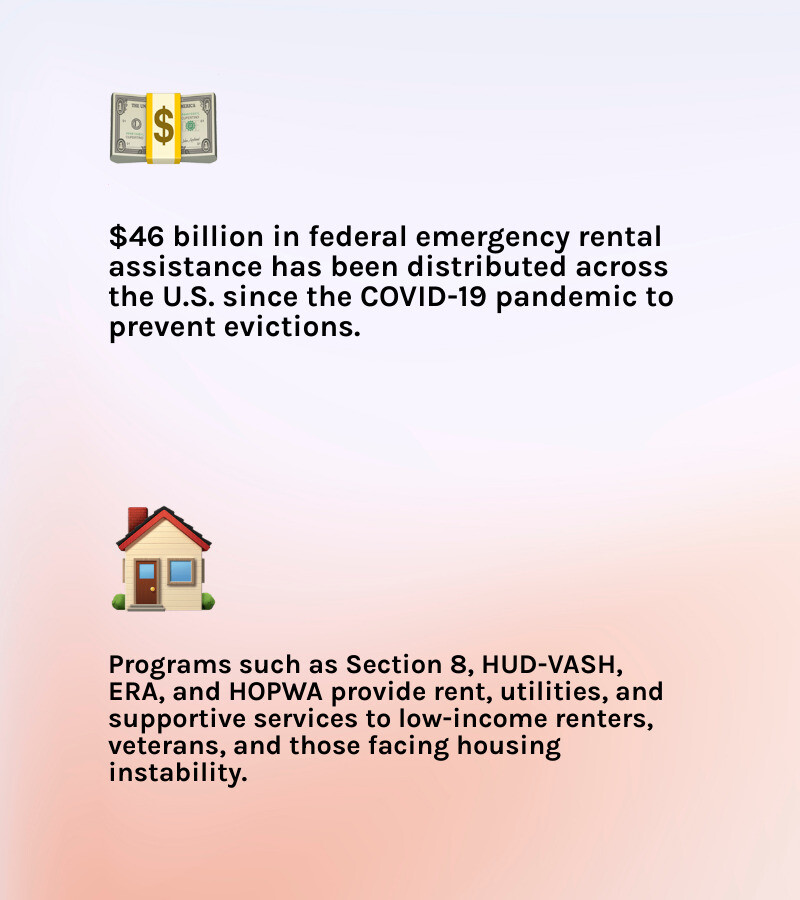
The good news is that real help exists. Federal programs distributed over $46 billion in emergency rental assistance during the pandemic years. While most of that funding has now wound down, state and local programs in California are still active — and organizations like LifeSTEPS are on the ground helping residents stay housed.

This guide breaks down every option available to you in 2026, from LA County’s current rent relief program to nonprofit resources and long-term housing support.

Infographic showing 5 steps to access emergency rental assistance today in California infographic

LifeSTEPS currently provides services in California only.
Rental assistance today glossary:

The Current Landscape of Rental Assistance Today

To understand the options available for rental assistance today, it helps to look at how the funding landscape has shifted. During the height of the COVID-19 pandemic, the federal government stepped in with unprecedented financial support. The U.S. Department of the Treasury administered the Emergency Rental Assistance (ERA) program, which was split into two major phases:

  • ERA1: Provided $25 billion under the Consolidated Appropriations Act of 2021.
  • ERA2: Provided $21.55 billion under the American Rescue Plan Act of 2021.

Together, these programs injected a grand total of $46.55 billion into state, local, and tribal governments to keep families in their homes. These funds covered unpaid rent, future rent, utility bills, and other housing-related expenses.

However, federal funding is not permanent. The period of performance for the ERA2 program officially ended on September 30, 2025. Grantees were required to submit their final reports by January 28, 2026. This means that direct federal funding through the Treasury’s ERA program is no longer available to distribute to renters.

Despite the end of these federal programs, the housing crisis remains a daily reality for millions of Americans. Nationwide, roughly 22.9 million households pay more than half of their income toward rent, often forcing them to choose between keeping a roof over their heads or buying food and medicine.

Fortunately, state-level initiatives, local county budgets, and charitable funds have stepped up to fill the gap. If you are looking for rental assistance today, your search will primarily focus on local county programs, state-specific safety nets, and nonprofit organizations.

Program Type Target Audience Key Benefits 2026 Status
Section 8 (Housing Choice Vouchers) Very low-income families, elderly, and disabled individuals Long-term subsidy where tenants pay roughly 30% of income toward rent Active, but waitlists are frequently closed and wait times can range from 1 to 7 years
Emergency Rental Assistance (ERA) Tenants facing immediate financial hardship or eviction Rapid, short-term payments for rent arrears and utilities Federal Treasury programs are closed; local and state-funded programs remain active

To explore how these changes impact California renters specifically, you can read our Emergency Rental Assistance California Complete Guide or learn more about navigating the current rental market in this guide on Emergency Rental Assistance 2026: Get Help Paying Rent Now.

Los Angeles County Rent Relief Program

For residents living in Los Angeles County, the local government has developed targeted rental relief initiatives to address ongoing economic challenges and natural disasters. The LA County Rent Relief Program is designed to support both tenants and landlords who have faced severe financial hardships.

In recent years, Southern California has faced devastating wildfires, including the Eaton and Palisades wildfire events. These disasters displaced numerous families and disrupted local economies. To help those affected, the LA County program provides critical relief, allowing displaced homeowners who are now renting, as well as traditional tenants, to access financial aid.

The program offers substantial financial support, providing a maximum grant of up to $15,000 per rental unit. This grant can cover up to six months of unpaid rent debt (arrears). By targeting both sides of the rental agreement, the program helps landlords recover lost income while ensuring tenants avoid eviction. If you are facing a financial emergency but have not yet received a formal notice from your landlord, you can review our Rental Assistance Without Eviction Notice Guide to learn about your options.

Eligibility for LA County Rental Assistance Today

To ensure that the limited funds reach those who need them most, the LA County Rent Relief Program uses specific priority criteria:

  • Income Limits: Households must have an income at or below 80% of the Area Median Income (AMI). However, priority is heavily weighted toward those at or below 50% AMI.
  • Targeted Geography: The program utilizes equity maps to identify high-need, vulnerable communities that have been disproportionately impacted by economic instability.
  • Small Landlord Priority: To support local housing providers, the program prioritizes small landlords who own and rent out four or fewer units.
  • Disaster Impact: Special consideration and expedited processing are available for households directly displaced by local emergencies, such as the Eaton or Palisades wildfires.

How to Apply and Check Your Application Status

While the main application portal window opens periodically based on funding availability, applicants who have already submitted their paperwork can track their progress online.

To check your application status, log in to the official portal at the LA County Rent Relief Program. The system provides real-time updates as your file moves through the review process. It is highly recommended to check your registered email address regularly, as case managers will reach out directly if they require additional documentation, such as updated lease agreements, proof of income, or landlord W-9 forms.

Once an application is approved, payments are typically issued directly to the landlord within 7 to 21 business days. If a landlord is unresponsive or declines to participate, the program has protocols to review tenant-initiated applications to find alternative ways to deliver aid.

Alternative Local and Regional Programs in California

If the main LA County portal is closed or if you reside in a neighboring county, there are several regional programs across Southern California designed to prevent homelessness and stabilize communities.

A diverse group of adults sitting in a circle of chairs chatting in a community room

Many local housing authorities and county departments work alongside statewide initiatives like CalAIM (California Advancing and Innovating Medi-Cal). Through CalAIM, eligible individuals transitioning out of temporary shelters or nursing facilities can access housing transition navigation services and deposit assistance, which typically covers up to 1 month paid in advance for a security deposit.

To learn more about how to secure these funds, read The Ultimate Guide to Rental and Deposit Assistance.

Accessing Emergency Rental Assistance Today in Southern California

  • San Diego County: The Housing Authority of the County of San Diego manages local rental subsidies, including the Section 8 Housing Choice Voucher program and specialized support for veterans. The county recently transitioned to a new digital case management system (Yardi), allowing applicants to easily update and track their waitlist status online. For more details on local San Diego resources, visit the Rental Assistance – County of San Diego portal.
  • Riverside County: The Riverside County Department of Public Social Services (DPSS) offers emergency shelter, utility assistance, and short-term rent relief to families facing immediate crises. To see if you qualify for their current programs, visit the official Rental Assistance page.
  • Orange County: Local agencies and community coalitions provide homeless prevention services, utility assistance, and landlord mediation to keep families housed. These programs focus on rapid intervention before an eviction lawsuit is filed in court.

Nonprofit and Charitable Resources for Eviction Prevention

When government programs are closed or have long waiting lists, local charities and nonprofit organizations serve as an essential safety net. Organizations like Catholic Charities of California and the Salvation Army Southern California Division provide compassionate, professional, and barrier-free support to anyone in need, regardless of background or immigration status.

These organizations help families navigate immediate crises by offering:

  • Emergency Rent and Utility Help: Direct financial assistance to pay off past-due bills and prevent utility shut-offs.
  • Landlord Mediation: Helping tenants negotiate payment plans with landlords to prevent formal eviction filings.
  • Disaster Relief: Working in tandem with federal agencies. For example, if you are affected by a federally declared disaster, you can apply for FEMA Assistance for Renters, which covers temporary lodging, utility costs, and personal property replacement.

If you are currently facing an active threat of displacement, acting quickly is vital. For step-by-step guidance on how to respond to landlord notices, consult our resource on Eviction Prevention 101: Expert Help to Avoid Eviction Today.

Frequently Asked Questions about Rental Assistance

Navigating housing programs can be complex. Below are answers to some of the most common questions renters ask when looking for assistance.

Are there federal rental assistance programs still open in 2026?

No, the major federal Treasury Emergency Rental Assistance programs (ERA1 and ERA2) have concluded, with the final performance period ending in late 2025. However, federal funds still flow to local communities through other permanent programs, such as the HUD-VASH program for veterans, Section 8 Housing Choice Vouchers, and Community Development Block Grants (CDBG) administered by local cities and counties.

What should I do if I receive an eviction notice?

Do not ignore it. An eviction notice is a legal warning, but it does not mean you have to move out immediately. Take the following steps right away:

  1. Read the notice carefully to understand the timeline (e.g., a 3-day pay-or-quit notice).
  2. Contact local legal aid organizations to understand your rights under California law.
  3. Communicate in writing with your landlord to see if you can establish a reasonable payment plan.
  4. Call 2-1-1 immediately to find local emergency funds that can help pay off the arrears.

Can landlords apply for rent relief on behalf of tenants?

Yes. Many local programs, including the LA County Rent Relief Program, allow landlords to initiate applications because it helps them recover unpaid rent directly. However, these programs still require the tenant’s active participation to verify household income, household size, and financial hardship.

Conclusion

Securing rental assistance today requires a proactive approach, utilizing a mix of county programs, state initiatives like CalAIM, and local nonprofit resources.

At LifeSTEPS, we are dedicated to helping Californians transition to stable housing and achieve long-term self-sufficiency. We are proud of our measurable community impact, including maintaining a 93% housing retention rate for our clients. By collaborating with programs like the Family Self-Sufficiency (FSS) initiative, we help individuals—including veterans—build pathways toward financial security and homeownership.

Our commitment to the community extends across generations. Through our youth and education initiatives, we have celebrated a 97% literacy improvement in our Summer Reading program and have awarded over $2.1 million in academic scholarships to date.

If you are currently facing a housing crisis, you do not have to navigate this journey alone. Explore our comprehensive directory of Emergency Rental Assistance resources to find the support you need to keep your home secure.

For inquiries, contact: LifeSTEPS | Phone: (916) 965-2110 | LifeSTEPS

LifeSTEPS currently provides services in California only.