Tag Archive for: affordable housing

happy grandparents in a comfortable home, senior housing, aging in place

The Grandparent’s Guide to Affordable Housing for Elderly Folks

Why Finding the Right Resources for Senior Housing Matters

Resources for senior housing can be hard to navigate — especially when you’re juggling health needs, a fixed income, and a growing list of options that all sound similar.

Here are the main types of resources available to seniors today:

  • Government programs — HUD Section 202, public housing, Housing Choice Vouchers (Section 8)
  • State and local programs — California Department of Aging, county-level rental assistance, Aging and Disability Resource Centers (ADRCs)
  • Stay-at-home support — in-home care services, home modification programs, reverse mortgages
  • Community search tools — online directories listing thousands of senior living communities with pricing and reviews
  • Emergency assistance — eviction prevention funds, emergency shelter referrals, elder abuse protections

Most seniors qualify for more than one program. The key is knowing where to look — and starting early, since many programs have long waitlists.

Whether you’re a recently discharged veteran working toward stability, a grandparent on a fixed income, or a family member trying to help an aging loved one, the process can feel overwhelming. A two-week waitlist and a two-year waitlist can exist just 40 miles apart. That gap is not unusual — it’s one of the defining features of senior housing in America.

The good news: there are real, proven programs that help. And organizations like LifeSTEPS — which maintains a 93% housing retention rate across its California programs — show what’s possible when people get the right support at the right time.

Steps to find senior housing resources: assess needs, research programs, apply early, get support infographic

LifeSTEPS currently provides services in California only.

Simple Resources for senior housing glossary:

Understanding Your Options: Types of Senior Housing

An active senior community with residents enjoying a shared garden space

As we age, our housing needs naturally shift. What worked beautifully in our 40s or 50s might become a multi-tiered obstacle course of stairs and high-maintenance yards in our 70s and 80s. Understanding the spectrum of senior housing is the first step toward making an informed, happy decision.

For many, the search begins by looking into Low Income Housing for Elderly and Disabled programs. However, before diving into the application processes, it helps to understand what each housing model actually offers.

Independent Living and Senior Apartments

If you are active, healthy, and simply want to ditch the lawnmower and find a community of peers, independent living is often the best fit. These communities are designed specifically for older adults who do not require medical assistance or help with activities of daily living (ADLs) but want a simpler lifestyle.

Senior apartments are restricted to adults aged 55+ or 62+. They often feature age-friendly layouts, such as single-story designs, grab bars in bathrooms, and elevators. Many of these complexes offer social calendars, community rooms, and shared gardens.

To explore localized options, you can search Senior Apartments by City: Search 500+ Locations – Senior Apartment Hub. For those seeking a vibrant, community-oriented lifestyle in Southern California, checking out a nonprofit community can show you how independent living supports a rich social life.

If you want to skip the stress of searching, learning How to Find the Best Senior Apartment Complexes Without the Headache can save you weeks of dead-end phone calls. For those working with tight budgets, exploring Low Cost Senior Independent Living options is a smart way to preserve your retirement savings.

Assisted Living and Memory Care

When daily tasks like cooking, managing medications, or bathing become challenging, assisted living bridges the gap between independence and round-the-clock care. Assisted living facilities provide private or semi-private apartments, communal meals, housekeeping, and personal care support.

For seniors living with Alzheimer’s disease or other forms of dementia, memory care provides a secured environment with specialized staff trained to manage cognitive decline. These programs focus on safety, structured routines, and cognitive engagement.

If you are trying to understand the costs and reviews of these facilities, tools like Find Assisted Living, Memory Care and Senior Living Near Me | A Place for Mom can help you kickstart your research. Additionally, platforms like Assisted Living Prices & Ratings | Senior Living Advisors | Mirador and Assisted Living Cost & Reviews | Senior Living Advisors | Seniorly aggregate real-time pricing data and verified reviews.

For families seeking regional care in Southern California, exploring Assisted Living Facilities in Thousand Oaks provides an excellent look at how localized communities balance care and independence.

Government Programs and Resources for Senior Housing

When market-rate senior housing is financially out of reach, government assistance programs become vital. Navigating these systems requires patience, but the financial relief they provide is life-changing.

Federal Resources for Senior Housing Assistance

The federal government, primarily through the U.S. Department of Housing and Urban Development (HUD), offers several pathways to affordable senior living:

  • HUD Section 202 Supportive Housing for the Elderly: This program specifically funds the development of affordable housing for very low-income seniors (aged 62+). Residents in Section 202 properties typically pay 30% of their adjusted income toward rent, with the federal government subsidizing the rest.
  • Housing Choice Vouchers (Section 8): This program allows seniors to find their own rental housing on the private market. The local Public Housing Authority (PHA) pays a rent subsidy directly to the landlord, and the senior pays the difference, capped at a percentage of their income.
  • Public Housing: Local PHAs own and manage low-income housing developments. Many of these units are specifically reserved for elderly households and people with disabilities.

To understand how these federal programs calculate eligibility based on your Area Median Income (AMI), consult The Golden Guide to Senior HUD Housing and check out our comprehensive Low Income Senior Housing Guide to map out your application strategy.

California State and Local Resources for Senior Housing

California offers robust state and county-level programs designed to help seniors secure stable housing. Because housing markets in California are highly localized, eligibility and waitlists depend heavily on your specific county or city.

If you reside in Southern California, county-specific portals are your best starting point:

To see how state-level initiatives tie these local programs together, our guide on Affordable Senior Housing California offers a comprehensive overview of the Golden State’s unique housing landscape.

Staying in Your Own Home and Comparing Communities

For many older adults, the goal is “aging in place” — staying in the comfort of their own home for as long as possible. Doing so safely requires a combination of home modifications, in-home supportive services, and financial planning.

Decision framework for aging in place versus transitioning to senior housing

When deciding whether to modify your home or move to a community, it is helpful to use resources like Determine the Best Housing Option For Me provided by the California Department of Aging. If you decide to transition, utilizing independent directories like AgingFine can help you compare staffing ratios and real out-of-pocket costs without sales pressure.

Financial Assistance and Home Modifications

Staying home often requires physical updates to prevent falls and accommodate mobility challenges. Modifications can range from installing simple grab bars and ramp systems to widening doorways and lowering countertops.

To fund these changes, seniors can look into:

  • CalAIM (California Advancing and Innovating Medi-Cal): This program offers enhanced care management and community supports. Through CalAIM, eligible seniors can access home modifications and transition services.
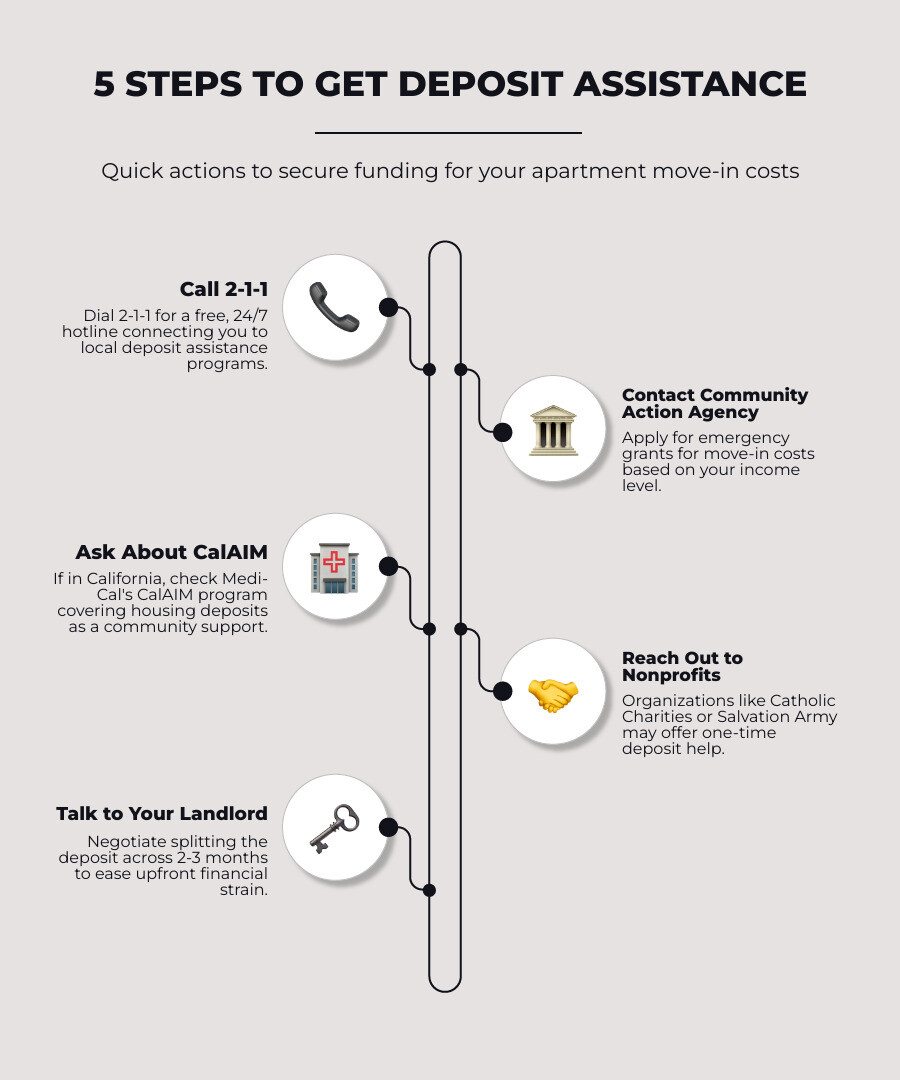
  • Deposit Assistance: If you are transitioning from unstable housing into a rental, we can help secure deposit assistance. Under the CalAIM program, this includes having 1 month paid in advance for deposit assistance to ease the financial burden of moving.
  • In-Home Supportive Services (IHSS): A California state program that pays for home care providers to assist with housecleaning, meal prep, laundry, and personal care, allowing seniors to remain safely at home.

At LifeSTEPS, we believe that with the right support, aging in place is achievable for many. Our initiative, Lifesteps Helps Older Adults Age in Place, works directly with seniors to coordinate these vital resources. You can explore more options in our guide on Financial Assistance for Seniors How to Keep Your Home Sweet Home.

Managing Waitlists and Avoiding Scams

Because affordable senior housing is in high demand, waitlists can range from several months to several years. To protect yourself during this search:

  1. Apply Widely: Do not limit yourself to one building. Apply to multiple properties and keep a detailed log of every contact.
  2. Verify Waitlist Status Monthly: Some properties close their waitlists when they get too long, while others open them unexpectedly.
  3. Guard Your Information: Scammers often target seniors by advertising “fake” low-income apartments to steal application fees and social security numbers. Always verify that a housing agency is HUD-approved or county-sanctioned before handing over personal details.
  4. Understand Your Rights: The Fair Housing Act protects older adults and people with disabilities from housing discrimination. Landlords must make reasonable accommodations for physical or mental impairments.

For tips on navigating this competitive market, read our Low Income Senior Housing No Waiting List Guide to find immediate opportunities.

Frequently Asked Questions about Senior Housing

Navigating senior housing resources brings up many valid questions. Here are some of the most common queries we receive from seniors and their families.

How do Section 8 vouchers work for older adults?

The Housing Choice Voucher (Section 8) program is designed to keep housing affordable. Once a senior receives a voucher, they find an eligible apartment on the private market. The senior’s share of the rent is capped at approximately 30% of their adjusted monthly income.

The local housing authority pays the remaining balance directly to the landlord. This ensures that even if market rents rise, the senior’s housing costs remain stable and predictable. For a deeper dive into how these subsidies protect your budget, see Rent Subsidies for Seniors Dont Let the Bill Collector Win.

What should families do if a senior faces eviction or homelessness?

If an older adult is at risk of eviction or is currently unhoused, immediate action is required:

  • Contact Local Eviction Prevention Programs: Many California counties offer temporary financial assistance to pay back-rent and prevent displacement.
  • Reach Out to Legal Aid: Seniors often have legal protections against rapid evictions, especially if they have health conditions.
  • Engage Supportive Services: Organizations like LifeSTEPS provide rapid-rehousing support and case management. Across our programs, we maintain a 93% housing retention rate, meaning nearly all the seniors we help transition into housing are able to keep their homes permanently.

For emergency housing strategies, consult our resource on Low Income Elderly Housing.

How can caregivers access local support services?

Caregivers do not have to carry the load alone. California’s network of Aging and Disability Resource Centers (ADRCs) provides free, personalized counseling to help you navigate local services, respite care, and health insurance.

Connecting with these local hubs can give you access to support groups and professional guidance. Learn more about coordinating these services through our guide on Community Resources for Elderly.

Conclusion

Finding the right Resources for senior housing is about securing peace of mind, safety, and a sense of belonging. Whether that means modifying your current home to age in place or moving to an affordable senior apartment complex, you do not have to walk this path alone.

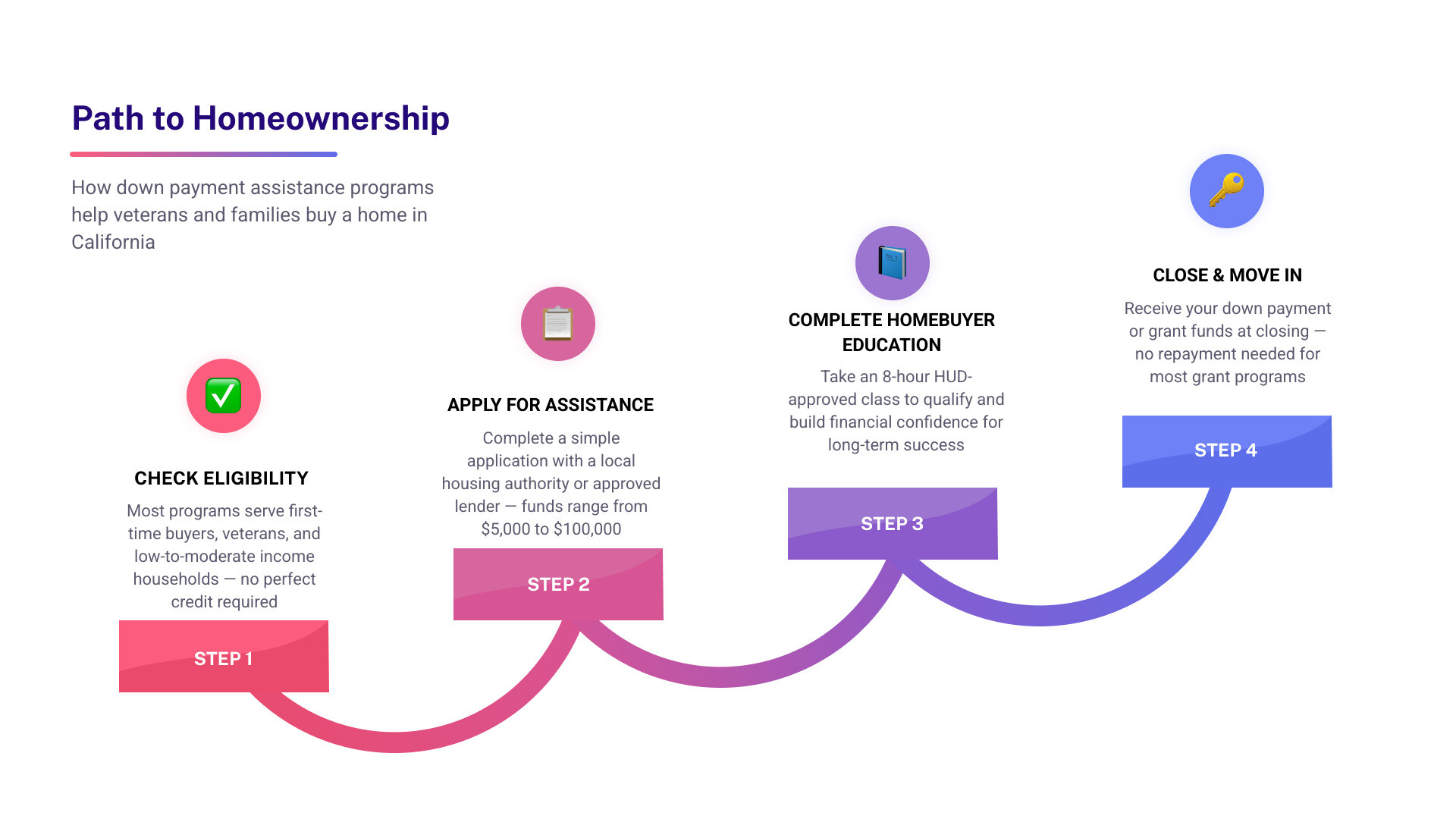
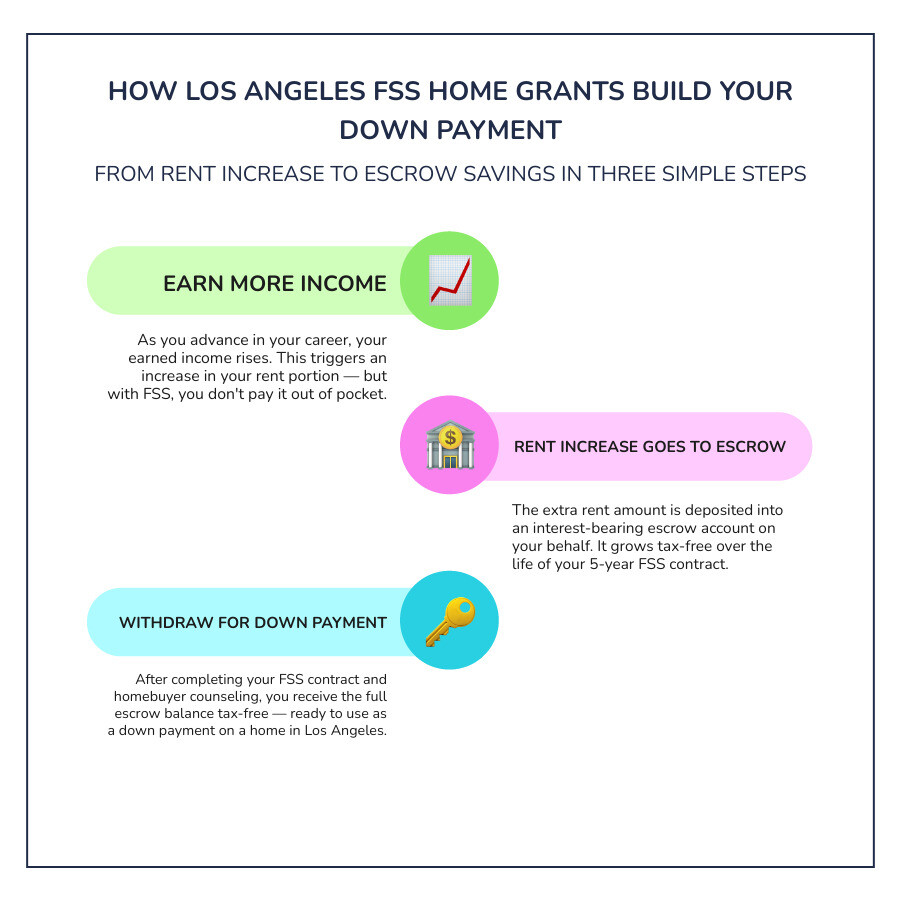
At LifeSTEPS, we are committed to helping older adults build stable, joyful lives. Beyond our 93% housing retention rate and our active participation in the CalAIM program (which provides crucial transition support and 1 month paid in advance for deposit assistance), we focus on the whole family. Through our collaboration with programs like the Family Self-Sufficiency (FSS) program, we help families move toward long-term stability and homeownership.

We also believe in building strong communities from the ground up. Our youth and education initiatives have achieved a 97% literacy improvement in our Summer Reading programs, and we have proudly awarded over $2.1 million in scholarships to help the next generation thrive.

If you are ready to take the next step in your housing journey, explore our resources on Low Cost Senior Independent Living to find the right fit for your family.

For support or inquiries, contact: LifeSTEPS | Phone: (916) 965-2110 | LifeSTEPS

LifeSTEPS currently provides services in California only.
government rental subsidy affordable housing apartment building

The Complete Guide to Government Rental Subsidy and ERAP Assistance

The Complete Guide to Government Rental Subsidy and ERAP Assistance

What Is a Government Rental Subsidy — and Who Qualifies?


A government rental subsidy is a form of financial assistance that helps low-income renters afford safe, stable housing by covering part of their monthly rent — either paid directly to landlords or built into reduced rents at specific properties.

Quick Answer: The main types of government rental subsidies are:

Program How It Works Who It’s For
Section 8 / Housing Choice Voucher Tenant finds private housing; subsidy paid to landlord Low-income individuals and families
Public Housing Government-owned units at reduced rent Low-income households meeting local PHA criteria
Project-Based Rental Assistance Subsidy tied to specific units, not the tenant Low-income renters in participating properties
HUD-VASH Section 8 voucher paired with VA case management Veterans experiencing homelessness
Emergency Rental Assistance (ERA) Short-term help for rent arrears and utilities Renters facing COVID-related hardship

For recently discharged veterans navigating civilian life, these programs can be the difference between stable housing and homelessness. Yet the landscape is complex — different programs have different eligibility rules, waiting lists, and application processes.

This guide breaks it all down clearly, so you know exactly what’s available, whether you qualify, and how to take your next step in California.

Types of government rental subsidy programs, eligibility, and how each works infographic

LifeSTEPS currently provides services in California only.
Quick government rental subsidy definitions:

Understanding the Government Rental Subsidy Landscape

Navigating housing affordability in California can feel overwhelming. With rents rising faster than average household incomes, securing a government rental subsidy is one of the most effective ways to establish long-term housing stability.

The U.S. Department of Housing and Urban Development (HUD) funds these programs at the federal level, but they are administered locally by Public Housing Agencies (PHAs). Because resources are finite, programs are designed to assist those with the greatest financial need. Understanding how these programs differ is the first step toward finding the right fit for your household. For more details on how these initiatives operate, explore our comprehensive overview of rental subsidy programs.

How a Government Rental Subsidy Works via Section 8 Vouchers

The Housing Choice Voucher (HCV) program, commonly known as Section 8, is the federal government’s major initiative for assisting very low-income families, the elderly, and people with disabilities.

Unlike traditional public housing, Section 8 is a tenant-based program. This means the subsidy belongs to you, the tenant, rather than the physical apartment. Once you are issued a voucher, you are free to choose any housing in the private market that meets the program’s health and safety standards.

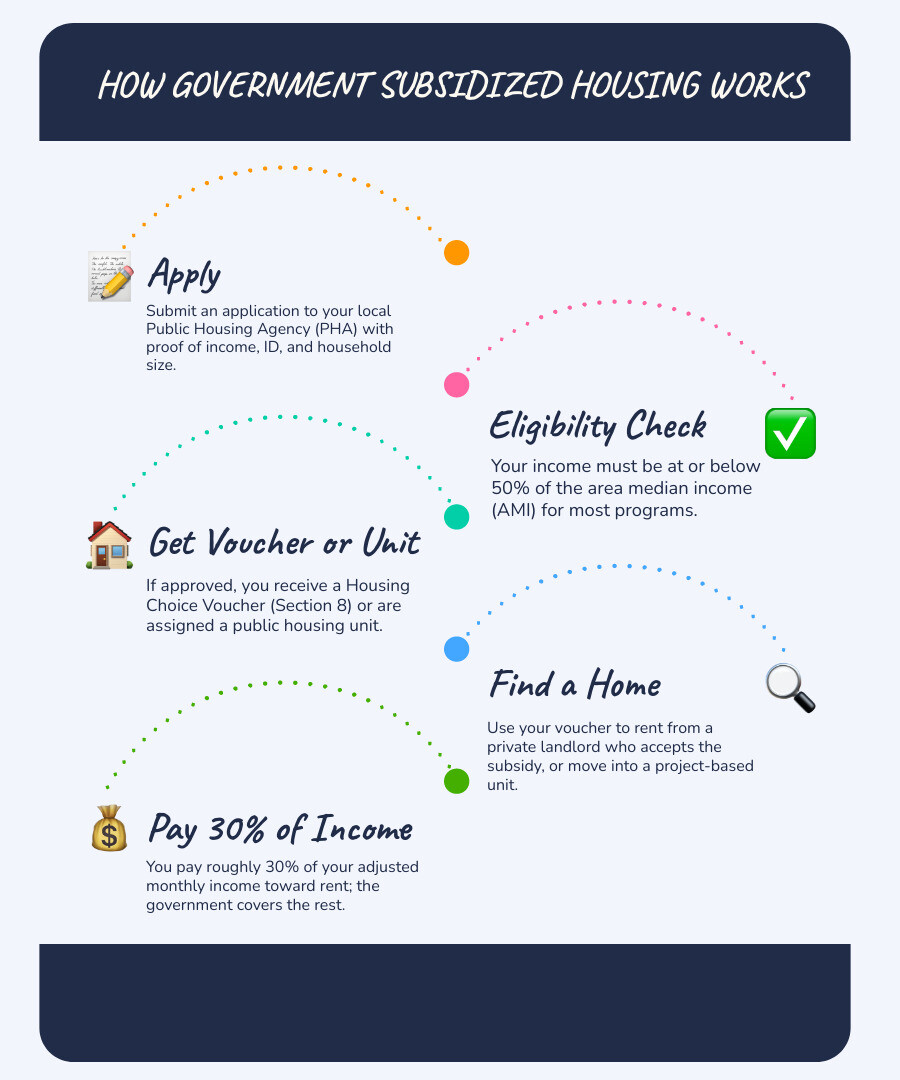
When you find a qualifying rental, you sign a lease with a private landlord. You will generally pay around 30 percent of your monthly adjusted income toward rent, while the local PHA pays the remaining balance directly to the landlord. This model gives you the flexibility to choose where you live, allowing you to stay close to job opportunities, schools, and supportive community networks. To learn more about navigating this program, read our guide to Section 8 housing rentals.

Public Housing and Project-Based Subsidies

While Section 8 vouchers offer portability, project-based subsidies and public housing operate under a different model. In these programs, the financial assistance is tied directly to the physical rental unit.

  • Public Housing: These are properties owned and managed directly by local housing authorities. If you qualify, you move into a designated public housing community, and your rent is calculated based on your household income.
  • Project-Based Rental Assistance (PBRA): Under this model, HUD contracts with private multifamily housing owners to provide affordable units. The subsidy stays with the building. If you move out of a project-based unit, you do not take the rental subsidy with you; it remains with the unit for the next qualifying tenant.

These project-based developments represent a massive portion of the housing safety net. According to federal Project-Based Rental Assistance budget data, PBRA programs support approximately 1.3 million safe, decent, and affordable housing units nationwide, serving highly vulnerable populations, including seniors, people with disabilities, and families.

Eligibility, Rent Calculation, and Application Steps

To access a government rental subsidy, you must meet specific federal and state criteria. Eligibility is primarily determined by your annual gross income and household size, though housing authorities also prioritize specific vulnerable populations.

Program Type Primary Eligibility Focus Portability (Can You Move with It?) Average Tenant Rent Contribution
Housing Choice Voucher (Section 8) Extremely & Very Low-Income Yes (Within USA and participating PHAs) 30% of adjusted monthly income
Public Housing Low-Income (up to 80% AMI) No (Tied to PHA property) 30% of adjusted monthly income
Project-Based Rental Assistance Low-Income / Senior / Disabled No (Tied to specific private unit) 30% of adjusted monthly income
HUD-VASH Homeless Veterans Yes (With continuing VA case management) 30% of adjusted monthly income

Income Limits and Household Determinations

Income limits are set by HUD and are calculated as a percentage of the Area Median Income (AMI) for your specific county. Because living costs vary wildly across California, an eligible income in Los Angeles or Orange County will look different than in Riverside or San Diego.

HUD categorizes income eligibility into three tiers:

  1. Low-Income: Households earning 80% or less of the county’s AMI.
  2. Very Low-Income: Households earning 50% or less of the county’s AMI.
  3. Extremely Low-Income: Households earning 30% or less of the county’s AMI (or the federal poverty guideline, whichever is higher).

Most Section 8 vouchers are legally targeted toward extremely low-income households to ensure aid reaches those in deepest need. When determining your household income, HUD rules require the inclusion of all wages, social security payments, business income, and regular cash contributions. However, certain exclusions apply, such as the earned income of minors under 18. For a detailed breakdown of what counts, consult the HUD guidelines on determining annual income. If you are looking for immediate pathways to qualify, check out our resource on low-income rental assistance options.

Calculating Your Portion of the Government Rental Subsidy

Once approved, your actual rent payment is determined using a precise formula established by federal law. Under federal statutory rent limits, a subsidized household’s rent is typically set at the highest of:

  • 30% of their monthly adjusted income (gross income minus allowable deductions, such as medical expenses for seniors or childcare costs).
  • 10% of their gross monthly income.
  • The welfare rent allowance (if receiving public assistance designed for housing).

Local housing authorities also factor in a utility allowance. If your rented apartment does not include utilities in the rent, the PHA subtracts a designated utility allowance from your rent portion, ensuring your combined rent and utility costs do not exceed the 30% threshold.

Finding Local Housing Agencies and Required Documents

A tenant organizing application documents on a wooden table in a brightly lit room

Because federal housing programs are managed locally, you must apply directly through the Public Housing Agency (PHA) serving your city or county. To begin, use the official directory of HUD California resources to locate the office nearest you.

When applying, preparation is key. You will need to provide extensive documentation for every member of your household, including:

  • Proof of Income: Recent pay stubs, tax returns, W-2s, or benefit letters (such as SSI, SSDI, or veteran pensions).
  • Identification: Government-issued photo IDs, birth certificates, and Social Security cards for all household members.
  • Housing Status: Verification of your current living situation, such as utility bills, a current lease, or an official notice of eviction.

Portability and Finding Voucher-Friendly Landlords

One of the greatest features of the Housing Choice Voucher program is “portability.” This rule allows you to transfer your voucher to another jurisdiction, provided you lived in the area of the issuing PHA when you first applied, or if you meet specific transfer criteria. This means you can move to other parts of California or even out of state without losing your government rental subsidy, as long as a local housing authority is available to administer it.

Finding a landlord who accepts vouchers can sometimes be challenging, but California law protects voucher holders. State fair housing laws prohibit landlords from discriminating against applicants based on their source of income, which legally includes Section 8 vouchers. When searching for a home, look for properties that advertise voucher acceptance, or use our guide on how to find housing voucher apartments to streamline your search.

California State and Local Rental Assistance Programs

While federal programs provide the foundation of rental aid, California state and local initiatives offer crucial supplementary resources. These programs are especially vital for households waiting on multi-year Section 8 waitlists or facing immediate housing crises.

A white recipient smilingly accepts the keys to their new apartment from a housing specialist of color

In Southern California and the Bay Area, local counties have developed targeted programs to prevent homelessness. For example, the General Relief (GR) Housing Subsidy and Case Management Program provides emergency rental subsidies to adults without children who are experiencing or at risk of homelessness. This program offers up to $475 per month for a single person and up to $950 for a couple, with participants contributing a small portion from their monthly GR grant. Additionally, approved participants can access up to $500 in once-in-a-lifetime move-in assistance to cover security deposits or utility hookups.

For a broader look at statewide resources, read our guide on emergency rental assistance in California.

County-Specific Programs in Southern California

If you live in Southern California, several county-specific agencies provide direct rental relief, voucher administration, and emergency assistance:

  • Los Angeles County: The LA County Rent Relief Program provides critical financial assistance to landlords on behalf of low-income tenants facing rent arrears, helping stabilize families and prevent evictions.
  • San Diego County: The Housing Authority of the County of San Diego administers extensive local programs. You can explore their local voucher listings and emergency housing resources on the San Diego County Rental Assistance page.
  • Riverside County: Local initiatives like the Riverside CARES program coordinate local funding to assist residents with emergency utility payments, rental relief, and housing-related support services.
  • Orange County: The Orange County Housing Authority manages Section 8 vouchers and specialized supportive housing programs across the county, offering a vital resource for local families and seniors.

Frequently Asked Questions about Rental Subsidies

What is the difference between tenant-based and project-based subsidies?

The primary difference lies in portability. A tenant-based subsidy (such as a standard Section 8 voucher) is assigned to you as an individual. You can use it to rent any qualifying private apartment, and if you choose to move, the subsidy moves with you.

A project-based subsidy is tied directly to a specific rental unit within an affordable housing community. If you move out of that unit, the subsidy stays behind to help the next tenant, and you must pay market rate at your new home unless you secure another voucher.

Additionally, these subsidies can interact with other government benefits. For instance, if you receive Supplemental Security Income (SSI) and rent a home from a relative at a discount, the Social Security Administration evaluates this arrangement. Under the Social Security Administration rules on rental subsidies, a rental discount from a family member may be considered “in-kind support and maintenance,” which can sometimes reduce your monthly SSI payment.

How did the Emergency Rental Assistance Program (ERAP) impact housing stability?

The federal Emergency Rental Assistance (ERA) program, funded by the U.S. Department of the Treasury, was a historic intervention during the COVID-19 pandemic. Distributed across two phases — ERA1 ($25 billion) and ERA2 ($21.55 billion) — the program provided over $46 billion nationwide to keep families in their homes.

Unlike traditional long-term subsidies, ERAP focused on rapid, short-term relief, covering up to 18 months of rent arrears, utility bills, and prospective rent. It proved that direct, flexible funding could successfully prevent a wave of evictions. While the federal ERA2 performance period concluded, its lessons continue to shape local emergency rental programs. To understand how to access current, localized emergency funds, read the ultimate guide to rental and deposit assistance.

What are my rights and responsibilities as a subsidized tenant?

As a subsidized tenant, you have both protections and clear obligations:

  • NSPIRE Inspections: Your rental unit must meet HUD’s National Standards for the Physical Inspection of Real Estate (NSPIRE). If a landlord fails to maintain safe, sanitary conditions, you have the right to report these issues to your PHA, which can pause subsidy payments until repairs are made.
  • Reporting Income Changes: You must report any changes in household income or composition to your PHA within their designated timeframe (usually 10 to 30 days). If your income goes down, your rent portion will be adjusted downward.
  • Lease Compliance: You must abide by all terms of your private lease, including paying your designated portion of the rent on time and avoiding property damage. Violating your lease can result in eviction and the loss of your housing voucher.

Conclusion

Securing a government rental subsidy is a life-changing step toward long-term stability. While navigating the application steps and county waiting lists requires patience, these programs provide the safety net necessary for families, seniors, and veterans to thrive.

At LifeSTEPS, we walk alongside individuals transitioning to stable housing and self-sufficiency. We are proud of our 93% housing retention rate among the clients we serve. Through our participation in the CalAIM program, we offer vital deposit assistance — helping eligible clients secure their new homes by providing up to 1 month paid in advance for deposit assistance.

Our mission extends beyond housing; we believe in building strong, vibrant communities. Through our youth and educational programs, we have celebrated a 97% literacy improvement in our Summer Reading program and have awarded over $2.1 million in scholarships to help the next generation achieve their dreams.

If you are facing an immediate housing crisis or need guidance on securing a rental subsidy, take action today. Explore how to get emergency rental assistance and connect with resources in your area.

For inquiries, contact: LifeSTEPS | Phone: (916) 965-2110 | LifeSTEPS

LifeSTEPS currently provides services in California only.

senior couple smiling in front of an apartment building

The Ultimate Guide to Government Subsidized Senior Housing

The Ultimate Guide to Government Subsidized Senior Housing

The Growing Crisis of Low Income Housing for Senior Citizens


Low income housing for senior citizens is one of the most urgent and underserved needs in the United States today. More than 17 million Americans aged 65 and older are economically insecure, living at or below 200% of the federal poverty level. That is roughly $29,160 per year for a single person. And the situation is getting harder, not easier.

The main government-subsidized housing options available to low-income seniors are:

  • Section 202 Supportive Housing for the Elderly – HUD-funded rentals with on-site services, for ages 62+
  • Section 8 Housing Choice Vouchers – Rental assistance you can use in the private market
  • Public Housing – Government-owned affordable units managed by local housing authorities
  • Low-Income Housing Tax Credit (LIHTC) Properties – Privately owned apartments with income-restricted rents
  • Project-Based Section 8 – Subsidized units tied to specific properties

Eligibility generally requires being age 62 or older, earning below 80% of your Area Median Income (AMI), and having net assets under $105,574 (2026 HUD guidelines). Rent is typically capped at 30% of your adjusted monthly income.

The challenge is real. By 2030, roughly 73 million Americans will be over 65 — about 1 in every 5 people. Senior veterans face an even steeper climb: 77% of all senior veterans live in poverty, and seniors are now the fastest-growing homeless population in the country.

This guide breaks down every major program, eligibility rule, and application step — so seniors and their families in California can find the right path forward without the confusion.

Growth of senior population vs affordable housing supply and demand from 2020 to 2030 infographic

LifeSTEPS currently provides services in California only.
Low income housing for senior citizens vocab explained:

Understanding Low Income Housing for Senior Citizens: Key Programs

Navigating the landscape of affordable housing can feel like trying to assemble a puzzle in the dark. Fortunately, several core government-subsidized programs are designed specifically to support older adults. Understanding these options is the first step toward finding a safe, comfortable, and affordable home.

Modern senior apartment community in Southern California with residents chatting

Section 202 Supportive Housing for the Elderly

This program is HUD’s flagship initiative for seniors. Section 202 provides capital advances to private, non-profit organizations to finance the construction of supportive housing. It is designed specifically for very low-income households with at least one member who is 62 years of age or older.

What makes Section 202 properties unique is their focus on helping seniors age in place. These communities are physically built with accessibility in mind—featuring grab bars, ramps, wide doorways, and emergency call systems. Many also employ on-site service coordinators who arrange meals, transportation, and healthcare assistance, making it an excellent option for those seeking low income housing for elderly and disabled family members.

Low-Income Housing Tax Credit (LIHTC) Properties

The LIHTC program is a federal program that gives tax credits to private developers who construct or rehabilitate affordable rental housing. In exchange for the tax credits, developers must reserve a percentage of units for tenants who meet strict income limits.

LIHTC properties are not always exclusively for seniors, but many developments are built specifically as senior-only communities. Unlike traditional public housing, LIHTC rents are not based on 30% of your specific income; instead, they are capped at a set rate calculated from the Area Median Income (AMI).

Public Housing

Managed by local Public Housing Authorities (PHAs), public housing consists of government-owned and operated apartment complexes or single-family homes. A substantial portion of public housing units in California is reserved specifically for older adults and individuals with disabilities. Rent is strictly based on your income, ensuring that even those with only basic Social Security benefits can afford a place to live.

Section 8 Housing Choice Vouchers

The Section 8 program provides rental assistance vouchers directly to low-income participants. These vouchers allow you to find your own housing on the private market, as long as the landlord accepts Section 8 and the unit meets HUD health and safety standards. The voucher covers the difference between 30% of your adjusted income and the actual cost of the rent, giving seniors the freedom to choose where they live.

Eligibility Requirements for Low Income Housing for Senior Citizens

To qualify for government-subsidized senior housing, applicants must meet several strict federal and state criteria. These requirements ensure that limited public funds are directed to those who need them most.

Age Requirements

Most senior-specific programs, such as Section 202, require at least one household member to be 62 years of age or older at the time of application. However, some LIHTC and state-funded affordable housing developments lower this age threshold to 55.

Income Limits (AMI)

Eligibility is heavily tied to your local Area Median Income (AMI), which is updated annually by HUD. In California, where the cost of living varies wildly between regions like Los Angeles and Natomas, these limits are highly localized:

  • Low-Income: Earning 80% or less of the local AMI.
  • Very Low-Income: Earning 50% or less of the local AMI (the typical threshold for Section 202).
  • Extremely Low-Income: Earning 30% or less of the local AMI.

For a detailed breakdown of how these income tiers affect placement and rent calculations, you can read The Essential HUD Low Income Senior Housing Handbook.

Asset Limits

Under the 2026 HUD guidelines, there is an asset limit of $105,574 in net family assets. While having assets below this limit is required, the actual income generated from your assets (such as interest from a savings account) is also factored into your annual household income calculation.

Citizenship Status

Applicants must be U.S. citizens or eligible non-citizens with legal residency status. When you apply, you will be required to provide documentation verifying your legal status.

Federal and State Subsidized Housing Options

Seniors in California have access to both federal HUD programs and state-specific resources designed to keep rental costs manageable.

Project-Based Section 8 vs. Housing Choice Vouchers

It is important to understand the difference between these two primary forms of Section 8 assistance:

  • Housing Choice Vouchers (Tenant-Based): The voucher belongs to you. If you decide to move, you can take the voucher with you to a new apartment.
  • Project-Based Section 8: The subsidy is tied directly to the apartment building. If you move out of a project-based unit, you do not keep the rental assistance; it stays with the unit for the next qualifying senior.

For those looking to explore options across the state, the California HUD Portal is an invaluable starting point. Additionally, we provide tailored resources to help navigate these state-level systems through our guide on Low Income Elderly Housing.

Securing a spot in subsidized senior housing is a journey that requires organization, patience, and persistence. Because demand far outstrips supply, understanding how to navigate the application pipeline is essential.

An older adult organizing financial documents and applications on a desk

How to Apply for Low Income Housing for Senior Citizens

The application process begins with gathering your personal and financial documentation. Having these files organized in advance will prevent delays and ensure you are ready to act when an opening occurs. For a comprehensive overview of this process, see Senior Housing Assistance Your Roadmap to a New Home.

Step-by-Step Application Guide

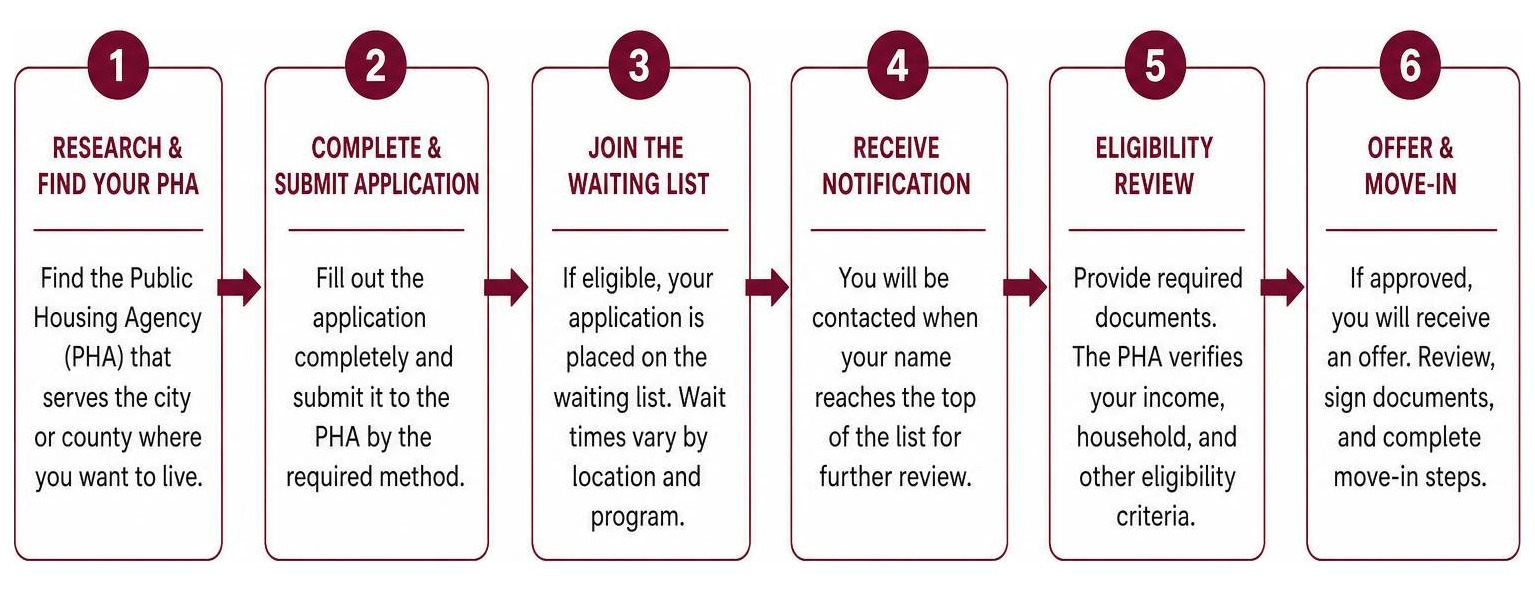
  1. Identify Local Housing Authorities: Contact the PHA in the city or county where you want to live (such as the San Diego Housing Commission or the Los Angeles Housing Department).
  2. Submit Preliminary Applications: Many housing authorities use online portals where you can submit a pre-application to get onto their waitlists.
  3. Gather Required Documentation: Keep physical and digital copies of all essential documents.
  4. Confirm Receipt: Always request a confirmation receipt or tracking number once your application is submitted.

To make this process as smooth as possible, we have compiled a resource on Where to Find Low Cost Senior Apartments Without the Stress.

Essential Documentation Checklist

  • Proof of Age: Government-issued photo ID, driver’s license, or birth certificate.
  • Social Security Cards: For all members of the household.
  • Proof of Income: Social Security award letters, pension statements, tax returns, or pay stubs.
  • Bank Statements: Typically the most recent 3 to 6 months of statements for all checking and savings accounts.
  • Housing History: Contact information for current and previous landlords.

Managing Long Waitlists and Finding Local Resources

Waitlists for low income housing for senior citizens in California are notoriously long, often ranging from 1 to 3 years, and sometimes longer in high-demand metro areas.

Step-by-step application process for low income senior housing in California

To maximize your chances of securing housing sooner, consider the following strategies:

Comparing Senior Housing Options: Subsidized Rent vs. Independent Living

Choosing the right living arrangement depends on your budget, physical health, and how much daily assistance you require.

Housing Option Average Cost Independence Level Community & Support Services
Subsidized Rental Housing 30% of adjusted gross income High Moderate (On-site coordinators, basic activities)
Congregate Housing Income-based or low fixed rate Moderate High (Shared meals, light housekeeping, group activities)
Private-Pay Independent Living Market rate (often high) High Moderate (Recreational activities, shared spaces)
Assisted Living High private-pay (unless subsidized via waivers) Moderate to Low Very High (24/7 care, medication management, meals)

Understanding these distinctions can help you make an informed financial and lifestyle decision. You can read more about balancing these choices in our guide to Unlock Affordable Independence Options for Senior Living That Won’t Break the Bank.

Subsidized Rental Housing vs. Private-Pay Independent Living

While both subsidized rental housing and private-pay independent living allow seniors to maintain their autonomy, their structures are vastly different.

Private-pay independent living communities operate on the open market. They offer excellent recreational amenities, but they are often financially out of reach for seniors living on a fixed income. In contrast, subsidized housing programs ensure your rent remains proportional to what you actually make.

Furthermore, subsidized senior communities often incorporate community-based support services specifically designed to prevent isolation and help residents manage daily tasks. For a deeper dive into affordable, non-subsidized independent alternatives, explore Low Cost Senior Independent Living.

Supportive Services and Aging in Place in California

For many older adults, moving into a dedicated housing facility is not the preferred choice. Most seniors wish to age in place in their own homes and communities, surrounded by familiar environments.

Programs Helping Seniors Remain in Their Homes

In California, several innovative programs make aging in place a realistic, safe, and highly affordable option. Our focus is on providing human-centered, measurable support that keeps seniors stable and housed. To see how we approach these supportive frameworks, read Affordable Homes for Seniors.

  • In-Home Supportive Services (IHSS): This state-funded program pays for home care providers to assist eligible low-income seniors with daily tasks, such as housecleaning, meal preparation, grocery shopping, and personal care. This allows seniors to remain safely in their homes rather than moving into a licensed care facility.
  • CalAIM (California Advancing and Innovating Medi-Cal): This program provides wrap-around services to vulnerable seniors. Through CalAIM, eligible individuals can receive deposit assistance—specifically up to 1 month paid in advance for deposit assistance—to secure stable housing.
  • Housing Retention and Stability: By wrapping these services around low-income seniors, we achieve a 93% housing retention rate across our programs. This measurable outcome demonstrates that with the right financial and physical support, seniors can successfully maintain their housing stability. Learn more about these options in Financial Assistance for Seniors How to Keep Your Home Sweet Home.

Supporting Vulnerable Senior Veterans

Senior veterans face unique struggles when it comes to housing security. With approximately 77% of senior veterans living in poverty and many experiencing severe social isolation, dedicated intervention is critical.

At LifeSTEPS, we are deeply committed to serving those who served. Our unique approach involves collaborating with programs like the Family Self-Sufficiency (FSS) program to help clients, including veterans, achieve long-term homeownership and stability. By pairing permanent supportive housing with dedicated case management, we help veterans transition from housing instability to self-sufficiency. Discover how rent subsidies and veteran supports work together in Rent Subsidies for Seniors Don’t Let the Bill Collector Win.

Alternatives to Subsidized Housing: Home Modifications and ADUs

When waitlists for subsidized housing are too long, seniors and their families can look to creative housing alternatives to bridge the gap.

  • Home Modifications: Installing wheelchair ramps, grab bars, non-slip flooring, and walk-in tubs can transform an existing home into a safe, accessible environment. Local area agencies on aging often provide grants to cover the costs of these modifications for low-income seniors.
  • Accessory Dwelling Units (ADUs): Often called “granny flats,” ADUs are secondary housing units built on an existing residential lot. This allows older adults to live close to family members while maintaining their own private, independent living space.
  • Preventing Eviction and Housing Instability: If a senior is facing immediate housing instability, legal aid organizations and tenant protection programs can intervene. Many California cities offer free mediation services and emergency rental assistance to prevent eviction and protect older adults from displacement or elder abuse. To explore these options further, read The Golden Years Golden Deals Finding Low Income Senior Housing.

Frequently Asked Questions about Low Income Senior Housing

What is the asset limit for HUD senior housing in 2026?

Under the 2026 HUD guidelines, the asset limit for subsidized senior housing is $105,574 in net family assets. If your assets exceed this amount, you may not qualify for federal housing assistance programs like Section 202 or Section 8.

How is rent calculated in subsidized senior apartments?

Rent in most subsidized senior apartments is calculated at approximately 30% of your household’s adjusted gross monthly income. HUD allows specific deductions for elderly households, and a utility allowance is often provided to help offset the cost of electricity, gas, and water.

Can a senior be evicted from subsidized housing?

Yes, seniors can be evicted from subsidized housing, but they have strong tenant protections. Landlords must have “good cause” for eviction, such as non-payment of rent, serious lease violations, or illegal activity. If you receive an eviction notice, you have the right to request a hearing and seek assistance from local legal aid organizations.

Conclusion

Finding low income housing for senior citizens requires navigating a complex web of programs, but the reward is a safe, affordable, and supportive place to call home. At LifeSTEPS, we provide the human-centered support, education, and resources necessary to help older adults transition to stable housing and self-sufficiency.

Our commitment to building stronger communities is reflected in our measurable impact:

  • We maintain a 93% housing retention rate for individuals transitioning to stable housing.
  • Our Summer Reading programs achieve a 97% literacy improvement among participating youth.
  • We have awarded over $2.1M in scholarships to support higher education and self-sufficiency.

Whether you are a senior looking for housing stability, a veteran seeking support, or a family member researching care options, we are here to help you navigate your journey.

Learn more about LifeSTEPS programs and services to see how we can assist you.

For media inquiries, contact: bex@lifestepsusa.org

LifeSTEPS | Phone: (916) 965-2110 | LifeSTEPS Website

LifeSTEPS currently provides services in California only.

income based no credit check apartments

Income Based No Credit Check Apartments: Do They Actually Exist?

When Credit Scores Shouldn’t Stand Between You and a Home

Income-based no credit check apartments do exist — and for veterans transitioning to civilian life, they can be a real path to stable housing.

Here is a quick answer to what you need to know:

  • Income-based apartments set rent based on what you earn, not your credit score
  • Many income-restricted properties — especially those run by housing authorities and nonprofits — weigh income eligibility far more heavily than credit history
  • Private landlords (nearly 40% of small landlords skip credit checks entirely) often approve tenants based on proof of income, references, or a larger deposit
  • Government programs like Section 8 and local housing authority units prioritize income limits set by HUD, not credit scores
  • Alternatives to credit checks include bank statements, pay stubs, tax returns, and letters of reference

Now for the fuller picture.

In July 2026, nearly 29% of Americans carry fair or poor credit scores — that is roughly 1 in 3 people. For veterans navigating the shift from military to civilian life, that number hits close to home. A gap in credit history, a period of financial instability, or simply never having built a credit profile can all make the standard rental process feel impossible.

Most landlords require a credit score of 670 or higher. But the good news is that not all rentals work that way. Income-based housing programs across California use a different standard — one built around what you earn and your household size, not your credit past.

Infographic comparing credit-based vs income-based rental application requirements side by side infographic

Income based no credit check apartments glossary:

The Reality of Finding Income Based No Credit Check Apartments

When you start looking for a place to live, it can feel like your credit score is the only thing landlords care about. Experian data shows that 14.9% of Americans have “Fair” credit scores (580 to 669) and 14.2% have “Poor” credit scores (300 to 579). When standard property management companies draw a hard line at a 670 credit score, nearly a third of the population is left searching for alternative routes.

Thankfully, the affordable housing landscape operates on a different set of rules. While market-rate rentals use credit scores as a primary filter to measure risk, affordable housing programs are designed to prioritize community need.

In California, income restricted rentals focus primarily on your gross annual household income rather than a flawless credit history. These programs are designed to keep people housed, which means their screening processes are often much more holistic than those of corporate, market-rate developments.

Understanding Income-Restricted vs. Market-Rate Rentals

To navigate this market successfully, it helps to understand how these properties are funded and managed. Market-rate rentals are driven entirely by supply and demand. Landlords can set any rental price they like and use strict credit criteria to screen out anyone they deem a financial risk.

In contrast, income-restricted housing is tied to federal, state, or local subsidies. The rent for these units is legally capped to ensure it remains affordable. Under Department of Housing and Urban Development (HUD) guidelines, housing is considered affordable when an occupant pays no more than 30% of their gross income toward housing costs, including utilities.

To qualify for these units, your household income must fall below a certain percentage of the Area Median Income (AMI)—usually 30%, 50%, 60%, or 80%. Because these properties receive tax credits or government funding to serve lower-income households, their primary compliance check is verifying your income, not your credit score. If you are searching for income restricted housing near me, you are looking at properties where your paycheck matters far more than your credit report.

How to Qualify for Income Based No Credit Check Apartments

While some income-restricted properties still run credit checks, they rarely look for a perfect 670 score. Instead, they look for specific red flags like active bankruptcies, unpaid utility bills, or recent evictions. If your credit is simply “thin” (meaning you have little to no credit history) or if you have a low score due to past medical bills, many affordable housing providers will work with you.

To qualify, you must show that your income is stable and falls within the local AMI limits. If your credit score is low, you can strengthen your application by focusing on private landlords or smaller housing developments. Private landlords are often much more flexible than large corporate property management groups.

Feature Corporate Property Management Private Landlords / Affordable Housing
Minimum Credit Score Typically 670+ (strict cutoff) Often no minimum; credit history evaluated individually
Primary Screening Tool Automated credit and background check Income verification, personal references, rental history
Flexibility on Bad Credit Very low; automated denials High; open to explanations, co-signers, or larger deposits
Income Requirements Usually 3x the monthly rent Based on AMI tiers (30% to 80% of local median income)
Lease Terms Rigid 12-month terms Open to month-to-month or customized terms

Strategies to Bypass Credit Checks in Affordable Housing

If you are determined to find an apartment without undergoing a traditional credit check, you need to adjust your search strategy. Corporate high-rises and large property management firms almost always use automated screening software that automatically rejects applications below a certain credit threshold. To bypass this, you need to target the human element of the rental market.

Nearly 40% of small, independent landlords skip credit checks entirely. These “mom-and-pop” landlords are often more concerned with finding a respectful, quiet tenant who communicates well and pays rent on time. Instead of relying on a computer algorithm, they rely on personal interactions, solid employment verification, and glowing references from past landlords.

Another excellent strategy is to look for month-to-month leases. While these can sometimes carry a slightly higher monthly rent, they represent a much lower risk for the landlord. A landlord is often far more willing to skip a credit check if they know they are not locked into a rigid 12-month contract. Offering to pay a slightly larger security deposit—such as one month of rent paid in advance—can also instantly put an independent landlord’s mind at ease. If you are a first-time renter or rebuilding your life after a setback, reading up on the best income based apartments for beginners can give you the foundational tools you need to approach these landlords with confidence.

Where to Search for Income Based No Credit Check Apartments in California

Finding these opportunities requires knowing where to look, especially in highly competitive California markets. If you are searching in Southern California, focusing your efforts on specific regional resources can yield great results.

For those looking for no credit check apartments in Los Angeles, targeting co-living spaces, independent listings, and community-oriented housing providers is a smart move. In San Diego, utilizing resources like the San Diego Housing Commission (SDHC) or searching specifically for low-income rentals in San Diego can connect you with properties that prioritize income eligibility over credit scores.

You can also find dedicated affordable communities in other Southern California hubs. For example, check out Low Income Apartments for Rent in Riverside CA or explore the Affordable Housing – Irvine Company programs, which offer income-restricted units in beautifully maintained neighborhoods.

No matter which area you target, keeping a local guide handy like your neighborhood guide to income based apts for rent near me will help you map out properties that accept alternative screening methods.

Utilizing Co-signers, Guarantors, and Roommates

If a property manager insists on a credit check and your score isn’t where it needs to be, you don’t have to walk away. You can use several financial workarounds to secure the unit:

  • Find a Co-signer: A co-signer is a trusted friend or family member with strong credit who signs the lease with you. They become legally responsible for the rent from day one if you fail to pay.
  • Use a Guarantor Service: If you do not have someone who can co-sign, professional guarantor services can act as your co-signer for a fee (usually 4% to 10% of the annual rent).
  • Get a Roommate: Moving in with a roommate who has excellent credit is one of the fastest ways to bypass your own credit limitations. Landlords will often approve an application if the combined household income is strong and at least one applicant meets their credit criteria.

Diverse roommates sitting at a table signing a rental lease agreement

Essential Documentation and Avoiding Rental Scams

When you apply for an income based no credit check apartments unit, you must prove your financial stability in other ways. Because the landlord is skipping the credit report, your documentation needs to be organized, thorough, and highly professional. Arriving at an open house with a pre-assembled application packet shows that you are a serious, reliable applicant.

Adults in a circle of chairs chatting during a housing workshop

Your application packet should include:

  • Valid government-issued photo ID
  • Proof of income (at least eight weeks of recent pay stubs or bank statements)
  • Tax returns from the past two years
  • A written list of professional and personal references (including contact info)
  • A copy of your utility bills in your name to prove a history of consistent payments

Proof of Income Alternatives

If you do not have traditional pay stubs—perhaps because you are a freelancer, gig worker, or transitioning veteran—you can use several creative alternatives to prove your income.

Many landlords will happily accept consecutive bank statements showing regular deposits, signed client contracts, tax returns, or benefit verification letters (such as GI Bill housing allowances, Social Security, or disability payments). If you are looking for based on income apartments downtown, showing a consistent stream of alternative income can help you secure a spot in vibrant, urban neighborhoods where traditional credit checks are common but flexible options exist.

Spotting Red Flags in ‘No Credit Check’ Listings

Unfortunately, the search for “no credit check” housing can attract dishonest actors. Scammers know that renters with poor credit are often desperate for housing, and they frequently target these listings. In fact, roughly 1 in 4 rental scams specifically target seekers of no-credit-check apartments.

To protect yourself, you must know how to spot the red flags of a rental scam. Use this verification process before handing over any money:

Diagram showing steps to verify a landlord and avoid a rental scam

  • Never Wire Money: If a landlord asks for a deposit via wire transfer, cash app, or cryptocurrency before you have seen the unit or signed a lease, walk away immediately.
  • Verify Ownership: Look up the property address on the county assessor’s website to verify that the person renting the apartment actually owns the property.
  • Tour in Person: Avoid “landlords” who claim they are out of the country or too busy to show you the apartment in person. Always walk through the physical unit before signing anything.
  • Read the Lease: Ensure all terms, including deposit refund policies, are clearly written in a formal lease agreement.

Frequently Asked Questions About Income-Based Housing

Navigating the affordable housing market can raise a lot of questions. Here are some of the most common concerns renters face.

Do income-based apartments always check credit?

Not always, but many do run a modified credit check. However, their screening is vastly different from market-rate rentals. Instead of looking for a high credit score, they are primarily checking for “landlord debt”—meaning unpaid rent, utility collections, or active evictions.

If you have a Section 8 voucher, many housing authorities and landlords are even more lenient. Because the government guarantees a large portion of the rent, the landlord’s financial risk is incredibly low, making them much more likely to overlook a poor credit score. If you are navigating this process with a disability, resources like Navigating the Maze of Disability Income Based Housing can offer specialized guidance on finding supportive, income-based communities.

What is the minimum credit score for affordable housing?

There is no universal minimum credit score for affordable housing. Many properties funded by the Low-Income Housing Tax Credit (LIHTC) program do not have a hard credit score cutoff. Instead, they perform an individual assessment of your application. If you can show a stable income that meets their AMI requirements and have a clean rental history over the past few years, a low credit score is rarely a dealbreaker.

How does the CalAIM program help with security deposits?

For eligible Californians, the California Advancing and Innovating Medi-Cal (CalAIM) program provides incredible housing transition support. Through CalAIM, qualified individuals can receive deposit assistance—specifically covering 1 month paid in advance for a security deposit—along with help navigating the rental application process. This program is designed to remove the immediate financial barriers to housing, helping you secure a home even if you are rebuilding your credit.

Conclusion

Finding income based no credit check apartments in California can be challenging, but with the right strategies and resources, it is entirely possible. By focusing on income-restricted properties, targeting independent landlords, and keeping your financial documentation organized, you can bypass traditional credit barriers and secure a safe, stable place to live.

At LifeSTEPS, we are dedicated to helping individuals and families transition to stable housing and self-sufficiency. Through our human-centered support and collaboration with programs like the Family Self-Sufficiency (FSS) program, we help clients—including veterans—achieve long-term housing stability and even homeownership.

We are proud of our community impact, which includes a 93% housing retention rate for the individuals we serve. Beyond housing, we believe in uplifting the next generation, which is why we have helped facilitate $2.1 million in scholarships and achieved a 97% literacy improvement through our Summer Reading afterschool programs.

If you are ready to take the next step toward a stable future, we encourage you to explore the LifeSTEPS programs and services available in your community.

For inquiries, contact: LifeSTEPS | Phone: (916) 965-2110 | LifeSTEPS

LifeSTEPS currently provides services in California only.